
Invent, Innovate, Integrate
- info@zenkaeurope.com
-
 English
English
English
 Deutsch
 Français
 Español
 Italiano
 中文
中文
 हिन्दी
 Lietuviškai
Embedded - Microcontroller, Microprocessor, FPGA Modules
Embedded - Microcontroller, Microprocessor, FPGA Modules
- Products
- Integrated Circuits (ICs)
- Embedded - Microcontroller, Microprocessor, FPGA Modules
Manufacturer
Series
Operating Temperature
Manufacturer Part Number
Clear Filters
Loading products…
| Image | Part Number | Manufacturer | Description | Series | Operating Temperature | Packaging | RoHS Status | Manufacturer Part Number | Lead Free Status | Requires | Package / Case | Polarization |
|---|---|---|---|---|---|---|---|---|---|---|---|---|
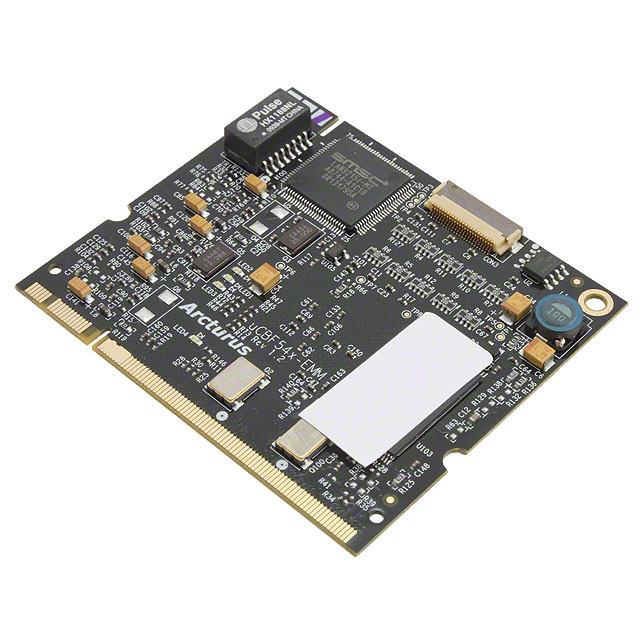
|
ADSP-3PARCBF548M01 | 4D Systems | MODULE BOARD BF548 | Blackfin® | -40°C ~ 85°C | - | - | ADSP-3PARCBF548M01 | - | - | - | - |

|
TE0803-01-04CG-1EA | Trenz Electronic | SOM USCALE+ XCZU4CG-1S 2GB DDR4 | - | - | - | - | - | - | - | - | - |

|
CC-WMX-KD47-VM | Digi International | CONNECTCORE | - | - | - | - | - | - | - | - | - |
|
|
CC-MX-MB58-ZM-B | Digi International | MODULE I.MX51 256MB FLASH 25PK | ConnectCore® | - | - | - | - | - | - | - | - |
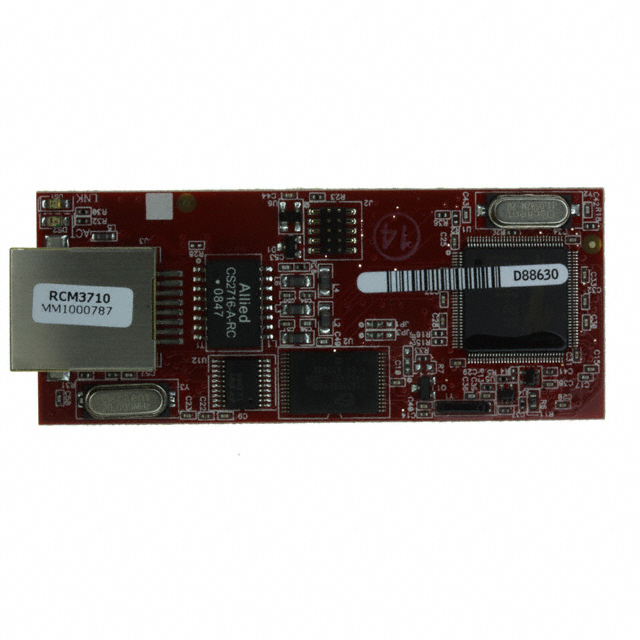
|
20-101-0675 | Digi International | MODULE RABBITCORE RCM3710 | RabbitCore® | 0°C ~ 70°C | - | - | - | - | - | - | - |

|
DC-VA-H264-10B-30-1080-MXC-SL | SOC Technologies (System-On-Chip Technologies) | MOD A/V DECODR 10BIT 30FPS 264HD | H.264-HD Decoder | 0°C ~ 85°C | - | - | - | - | - | - | - |
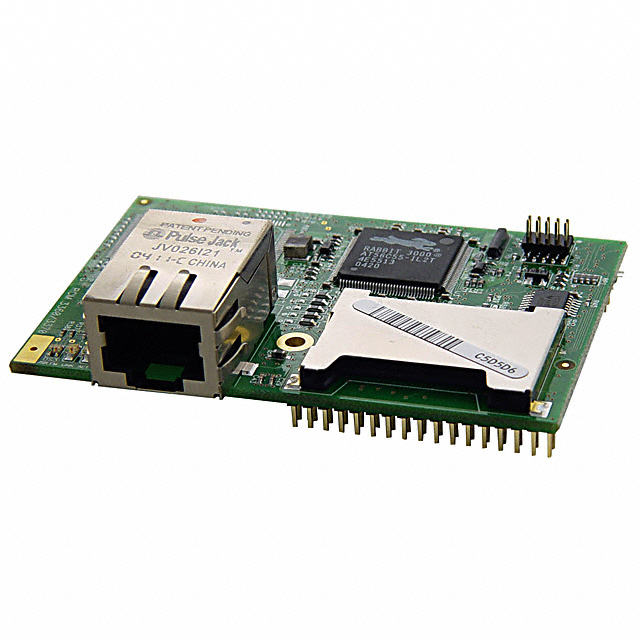
|
20-101-0949 | Digi International | MODULE RABBITCORE RCM3360 | RabbitCore® | -40°C ~ 70°C | - | - | - | - | - | - | - |
|
|
CC-WMX-LB69-CV-1 | Digi International | CONNECTCORE | - | - | - | - | - | - | - | - | - |
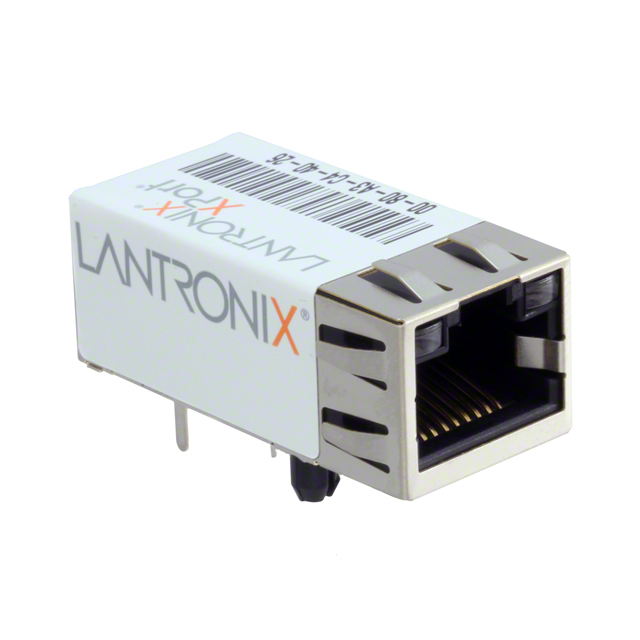
|
XP1001000-05R | Lantronix | XPORT ROHS EXTENDED TEMP. -40 TO | - | - | - | - | - | - | - | - | - |

|
CENGLH7A400-10-402HI | Logic PD, Inc. | CARD ENGINE 32MB SDRAM | - | -40°C ~ 85°C | - | - | - | - | - | - | - |
About Embedded - Microcontroller, Microprocessor, FPGA Modules
These modules integrate microcontroller, microprocessor, or FPGA (Field-Programmable Gate Array) components into a single package or module. They offer flexibility and versatility in embedded system design, allowing developers to choose the processing architecture and capabilities that best suit their application requirements. These modules are often used in applications where off-the-shelf solutions are preferred over custom-designed circuitry, enabling faster development cycles and reducing time-to-market.