
Invent, Innovate, Integrate
- info@zenkaeurope.com
-
 English
English
English
 Deutsch
 Français
 Español
 Italiano
 中文
中文
 हिन्दी
 Lietuviškai
Interface - Filters - Active
Interface - Filters - Active
- Products
- Integrated Circuits (ICs)
- Interface - Filters - Active
Manufacturer
Series
Packaging
Mounting Type
RoHS Status
Manufacturer Part Number
Voltage - Supply
Clear Filters
Loading products…
| Image | Part Number | Manufacturer | Description | Series | Operating Temperature | Features | Packaging | Mounting Type | RoHS Status | Manufacturer Part Number | Voltage - Supply | Output Type |
|---|---|---|---|---|---|---|---|---|---|---|---|---|

|
LTC1565-31CS8#TRPBF | ADI (Analog Devices, Inc.) | IC FILTR 7TH ORDER 650KHZ 8-SOIC | - | - | - | Tape & Reel (TR) | Surface Mount | - | - | 4.75 V ~ 11 V, ±4.75 V ~ 5.5 V | - |
|
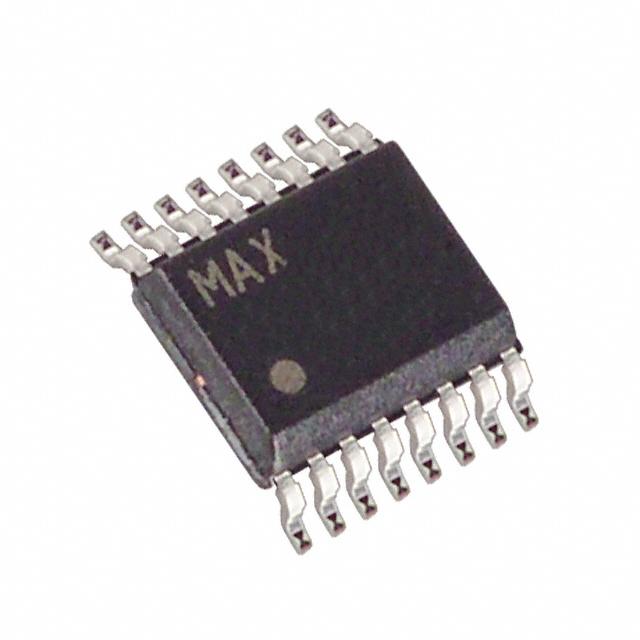
MAX9501EEE+ | Maxim Integrated | IC FILTER HDTV 16-QSOP | - | - | - | Tube | Surface Mount | - | - | ±4.5 V ~ 5.5 V | - |

|
MAX274AEWI | Maxim Integrated | IC FILTER ANALOG 8TH-ORDR 28SOIC | - | - | - | Tube | Surface Mount | - | - | 4.74 V ~ 11 V, ±2.37 V ~ 5.5 V | - |
|
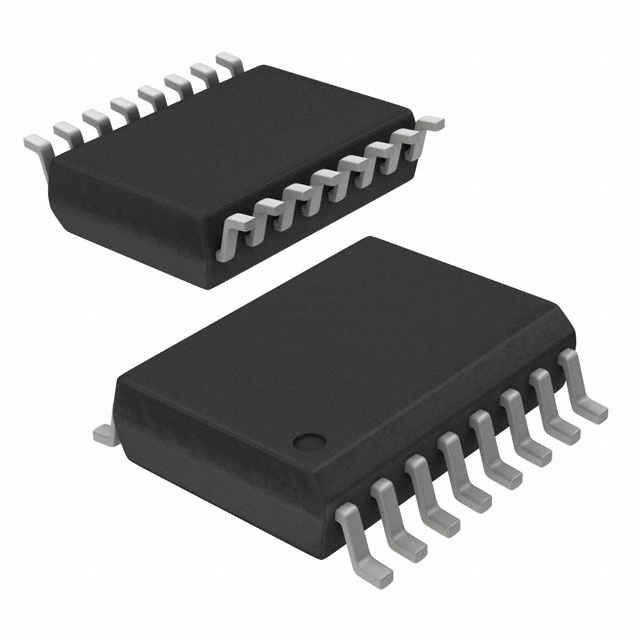
LTC1065ISW#PBF | ADI (Analog Devices, Inc.) | IC FILTR 5TH ORDR LOWPASS 16SOIC | - | - | - | Tube | Surface Mount | - | - | ±2.37 V ~ 8 V | - |

|
LTC1068-50IG#PBF | ADI (Analog Devices, Inc.) | IC FILTR BUILDNG BLK QUAD 28SSOP | - | - | - | Tube | Surface Mount | - | - | 3.14 V ~ 11 V, ±3.14 V ~ 5.5 V | - |
|
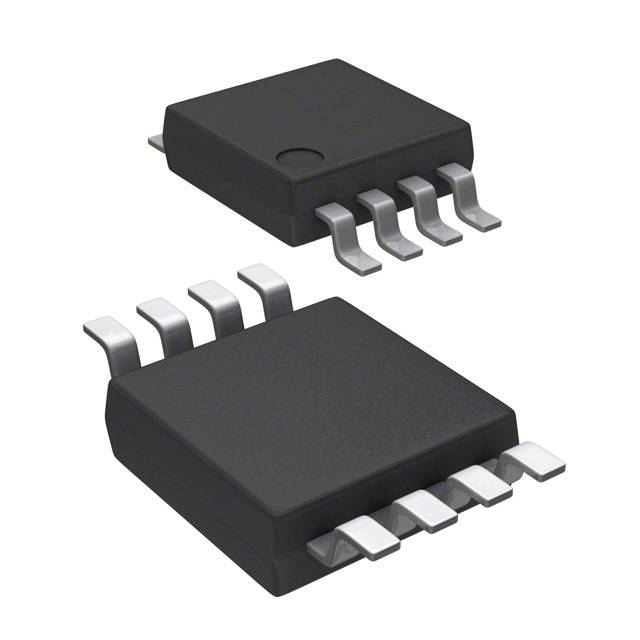
MAX7408CUA+T | Maxim Integrated | IC FILTER LOWPASS 5TH 8UMAX | - | - | - | Tape & Reel (TR) | Surface Mount | - | - | 4.5 V ~ 5.5 V | - |
|
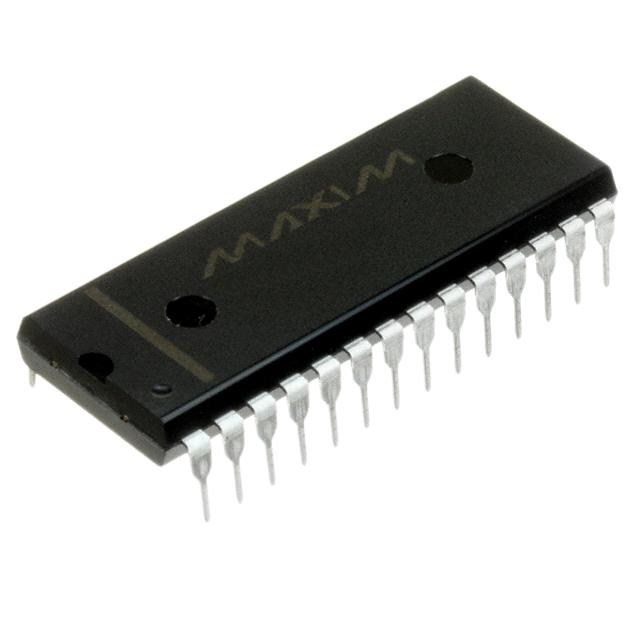
MAX265ACPI | Maxim Integrated | IC FILTER ACT PROG 28-DIP | - | - | - | Tube | Through Hole | - | - | ±5V | - |

|
LTC1067-50IS#TRPBF | ADI (Analog Devices, Inc.) | IC FILTR BLDNGBLK R-R DUAL16SOIC | - | - | - | Tape & Reel (TR) | Surface Mount | - | - | 2.7 V ~ 11 V, ±2.7 V ~ 5.5 V | - |

|
MAX267BEWG | Maxim Integrated | IC FILTER BANDPASS PROG 24-SOIC | - | - | - | Tube | Surface Mount | - | - | 4.74 V ~ 12.6 V, ±2.37 V ~ 6.3 V | - |
|
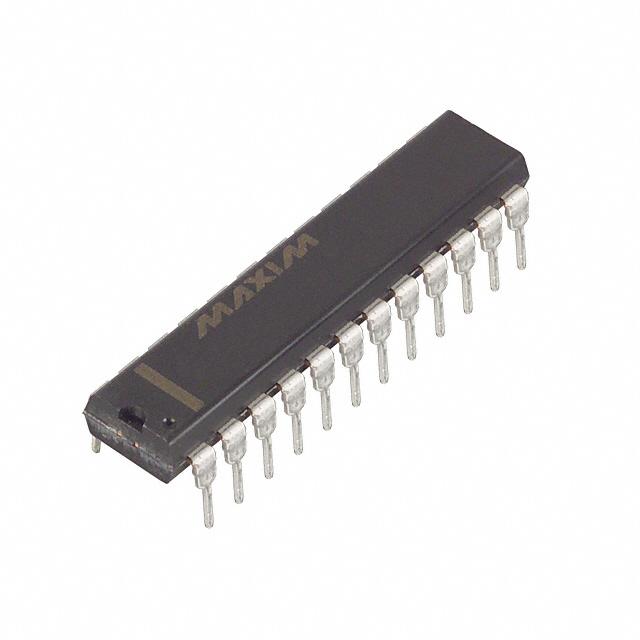
MAX261BCNG | Maxim Integrated | IC FILTR SW-CAP UNIV PROG 24-DIP | - | - | - | Tube | Through Hole | - | - | 4.74 V ~ 12.6 V, ±2.37 V ~ 6.3 V | - |
About Interface - Filters - Active
Active filters are electronic circuits that use active components such as operational amplifiers (op-amps) to implement filtering functions on input signals. Unlike passive filters, which use only resistors, capacitors, and inductors, active filters can provide gain and selectively amplify or attenuate specific frequency components of the input signal. Active filters offer advantages such as adjustable gain, low output impedance, and improved bandwidth compared to passive filters. They are widely used in audio processing, instrumentation, communications, and control systems where precise frequency response and signal conditioning are required.