
Invent, Innovate, Integrate
- info@zenkaeurope.com
-
 English
English
English
 Deutsch
 Français
 Español
 Italiano
 中文
中文
 हिन्दी
 Lietuviškai
Manufacturer
Series
Operating Temperature
Features
Termination Style
Packaging
Mounting Type
Actuator Type
Clear Filters
Loading products…
| Image | Part Number | Manufacturer | Description | Series | Operating Temperature | Features | Termination Style | Panel Cutout Dimensions | Packaging | Mounting Type | Electrical Life | Actuator Type |
|---|---|---|---|---|---|---|---|---|---|---|---|---|
|
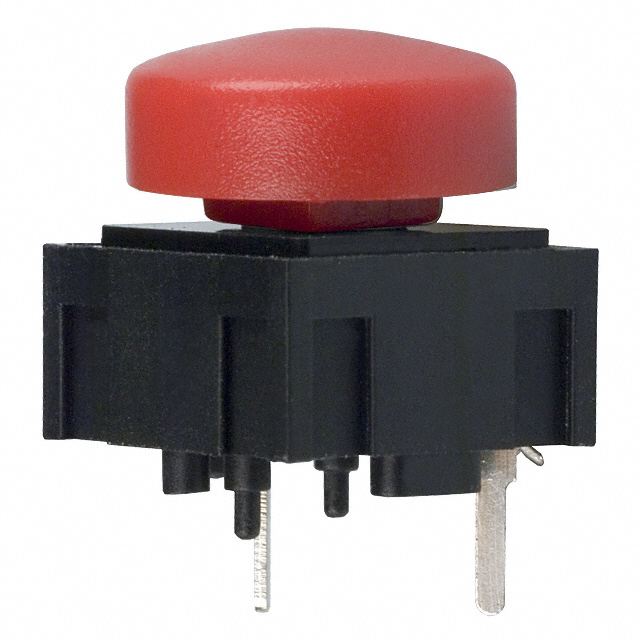
320.02E11.08RED | E-Switch | SWITCH TACT SPST-NO 0.025A 50V | 320 | -20°C ~ 70°C | Red Cap | PC Pin | - | Bulk | Through Hole | - | Round Button |

|
FSMIJM61APG04 | Agastat Relays / TE Connectivity | SWITCH TACTILE SPST-NO 50MA 12V | FSMIJ | -25°C ~ 70°C | Tactile/Audible Feedback | Gull Wing | - | Tape & Reel (TR) | Surface Mount | - | Plunger for Cap |

|
RS014R05D3 | C&K | SWITCH TACTILE SPST-NO 0.05A 12V | RS, COMAX | - | - | PC Pin | - | Bulk | Through Hole | - | Standard |
|
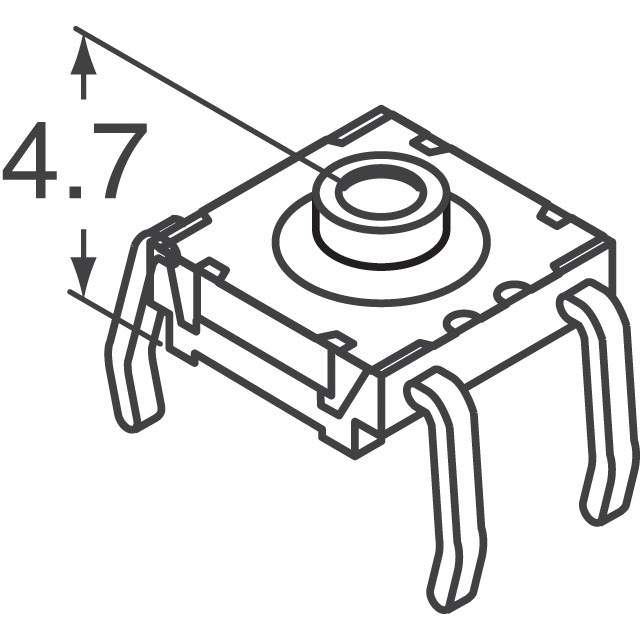
KSA1M531 LFTR | C&K | SWITCH TACTILE SPST-NO 0.01A 32V | - | - | - | - | - | Tape & Reel (TR) | - | - | - |

|
MJTP11935 | APEM Inc. | SWITCH TACTILE SPST-NO 0.05A 12V | MJTP | -20°C ~ 70°C | Tactile Feedback | PC Pin | - | Bulk | Through Hole | - | Square Button |

|
TL1220R1BBBYB-HALO | E-Switch | SWITCH TACTILE SPST-NO 0.05A 12V | TL1220 | -40°C ~ 85°C | Tactile Feedback | PC Pin | - | Tray | Through Hole | - | Round Button |
|
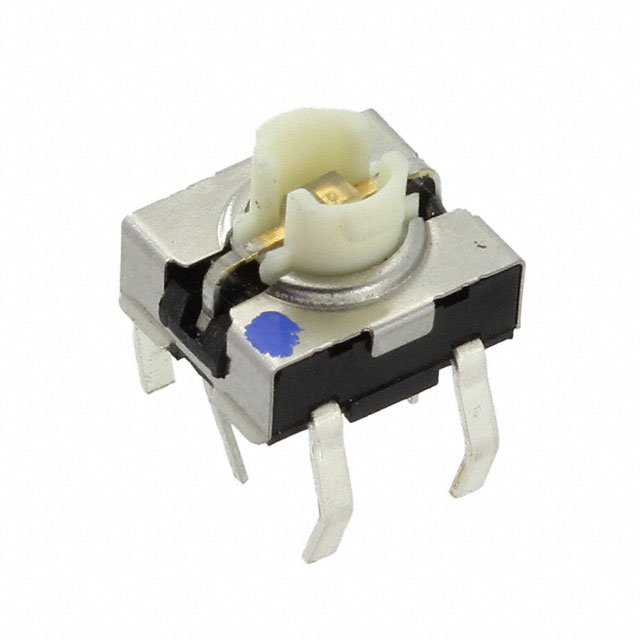
TL6215VF450BNN | E-Switch | SWITCH TACTILE SPST-NO 0.05A 12V | TL6215 | -20°C ~ 70°C | - | PC Pin | - | Tray | Through Hole | - | Plunger for Cap |
|
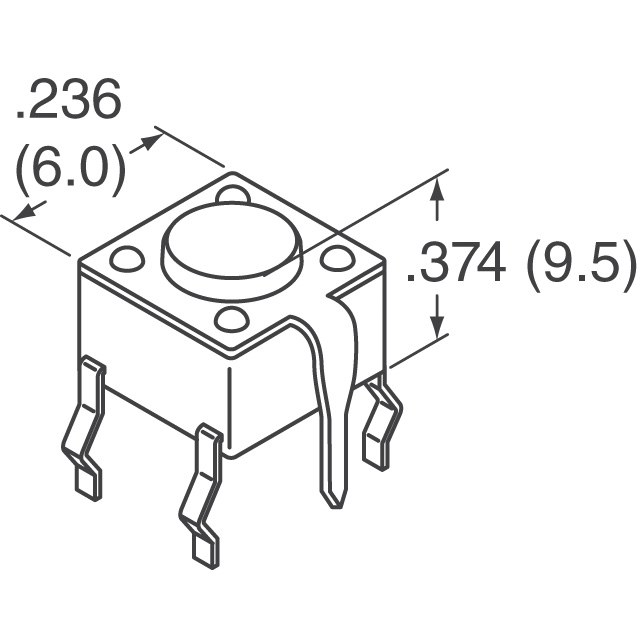
MJTP1232B | APEM Inc. | SWITCH TACTILE SPST-NO 0.05A 12V | MJTP | -20°C ~ 70°C | Tactile Feedback | PC Pin | - | Bulk | Through Hole | - | Standard |
|
|
KMR433NGLFG | C&K | SWITCH TACTILE SPST-NO 0.01A 32V | KMR4 | -40°C ~ 85°C | - | Gull Wing | - | Bulk | Surface Mount | - | Standard |

|
B3W-9012-B1N | Omron | SWITCH TACTILE SPST-NO 0.05A 24V | B3W-9 | -25°C ~ 70°C | Sealed - Fully | PC Pin | - | Bulk | Through Hole | - | Square Button |
About Tactile Switches
Tactile switches, also known as tact switches or tactile buttons, are momentary switches that provide tactile feedback when pressed. They are commonly used in electronic devices and control panels for functions such as power on/off, mode selection, and data entry. Tactile switches feature a spring-loaded mechanism that returns the button to its original position after being pressed, providing tactile feedback to the user. They offer a responsive and reliable interface for user interaction in various consumer electronics, industrial controls, and automotive applications.