
Invent, Innovate, Integrate
- info@zenkaeurope.com
-
 English
English
English
 Deutsch
 Français
 Español
 Italiano
 中文
中文
 हिन्दी
 Lietuviškai
Manufacturer
Series
Operating Temperature
Clear Filters
Loading products…
| Image | Part Number | Manufacturer | Description | Voltage Rating - DC | Voltage Rating - AC | Switch Function | Series | Operating Temperature | Operating Force | Ingress Protection | Features | Current Rating |
|---|---|---|---|---|---|---|---|---|---|---|---|---|

|
DRR-DTH-Q2450-1 | Hamlin / Littelfuse | SWITCH REED CUSTOM | - | - | - | - | - | - | - | - | - |
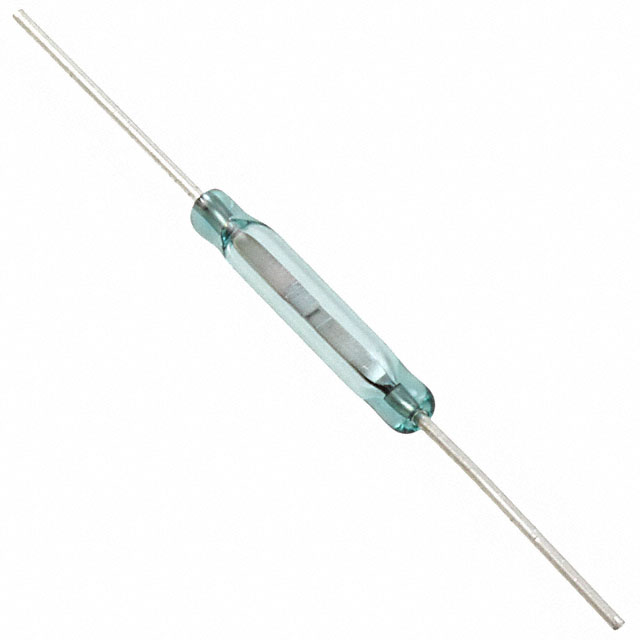
|
MLRR-4-17-38 | Hamlin / Littelfuse | SWITCH REED SPST-NO 700MA 140V | - | - | - | MLRR-4 | -40°C ~ 125°C | - | - | - | - |
|
|
DRT-DTH-60-80 | Hamlin / Littelfuse | SWITCH REED SPDT 1A 350V | - | - | - | DRT-DTH | -20°C ~ 125°C | - | - | - | - |

|
CT10-1040-G1 | Coto Technology | SWITCH REED SPST-NO 500MA 140V | - | - | - | CT10 | -40°C ~ 125°C | - | - | - | - |
|
|
DRS-50-77-83 | Hamlin / Littelfuse | SWITCH REED SPST | - | - | - | DRS-50 | -40°C ~ 125°C | - | - | - | - |
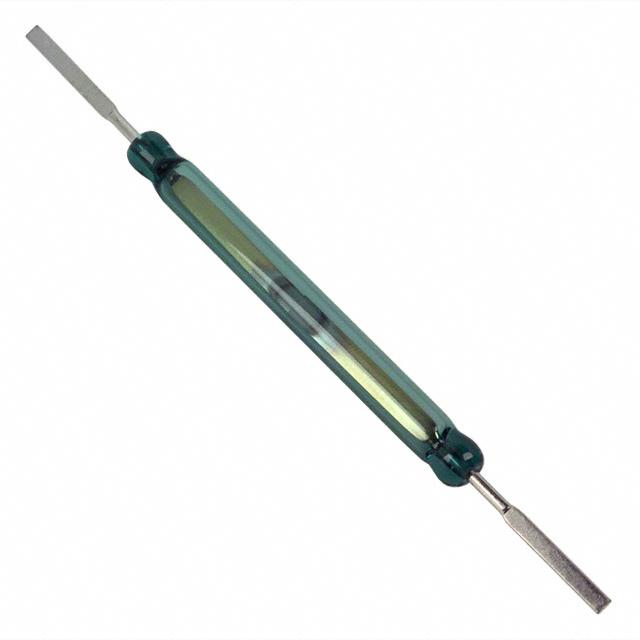
|
DRR-129-57-63 | Hamlin / Littelfuse | SWITCH REED SPST-NO 2.1A 280V | - | - | - | DRR-129 | -40°C ~ 125°C | - | - | - | - |
|
|
HA15-2-Q2328 | Hamlin / Littelfuse | SWITCH MAGI REED SPST 10W 17-23A | - | - | - | HA15-2 | - | - | - | - | - |
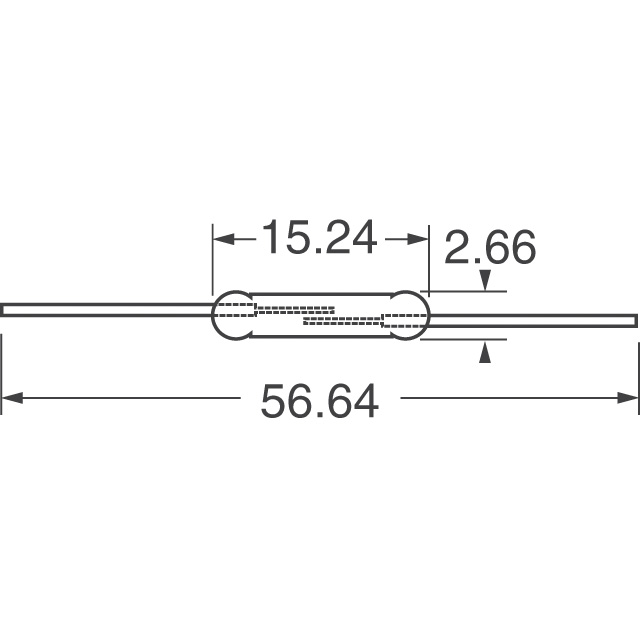
|
MLRR-3-22-28 | Hamlin / Littelfuse | SWITCH REED SPST-NO 700MA 140V | - | - | - | MLRR-3 | -40°C ~ 125°C | - | - | - | - |
|
|
DRR-DTH-75-85 | Hamlin / Littelfuse | SWITCH REED SPDT 350MA 350V | - | - | - | DRR-DTH | -20°C ~ 125°C | - | - | - | - |
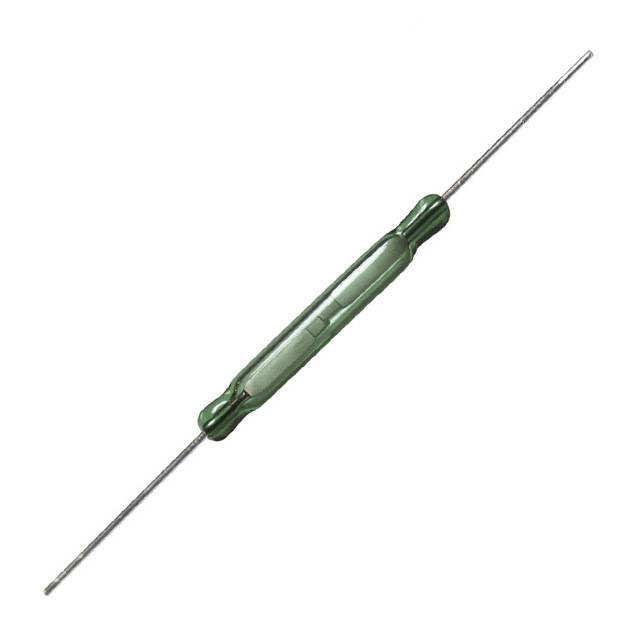
|
RI-03GP2025 | Comus International | SWITCH REED SPST-NO 500MA 140V | - | - | - | RI-03 | -55°C ~ 125°C | - | - | - | - |
About Magnetic, Reed Switches
Magnetic or reed switches use a pair of ferromagnetic contacts that open or close in response to the presence of a magnetic field. When a magnet approaches, the contacts attract and close the circuit; when the magnet moves away, the contacts spring apart, opening the circuit. Reed switches offer advantages like sensitivity, low power consumption, and reliability. They are used in applications like door and window sensors, security systems, and proximity switches where simple, robust switching is required.