
Invent, Innovate, Integrate
- info@zenkaeurope.com
-
 English
English
English
 Deutsch
 Français
 Español
 Italiano
 中文
中文
 हिन्दी
 Lietuviškai
Clear Filters
Loading products…
| Image | Part Number | Manufacturer | Description | Series | Termination Style | Mounting Type | Illumination | Actuator Type | RoHS Status | Manufacturer Part Number | Contact Material | Voltage - Supply |
|---|---|---|---|---|---|---|---|---|---|---|---|---|
|
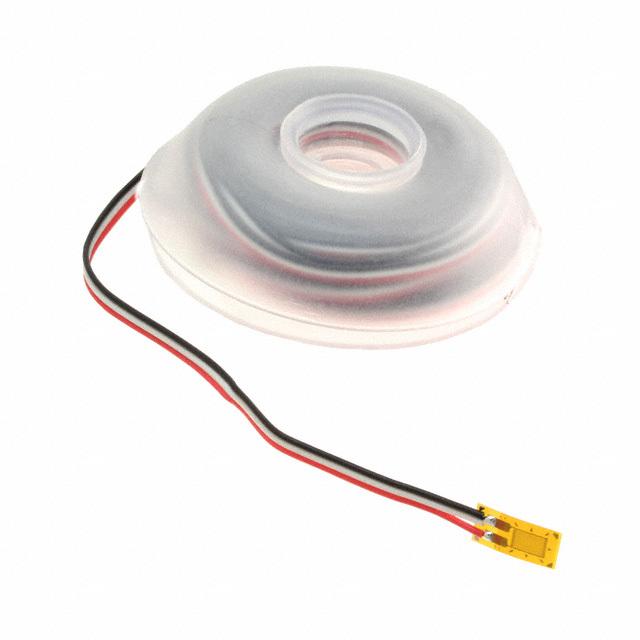
MMF017059 | Vishay Precision Group | STRAIN GUAGE | CEA | - | - | - | - | - | - | - | - |

|
MMF003254 | Vishay Precision Group | CEA-13-250UW-350 STRAIN GAGES (5 | CEA | - | - | - | - | - | - | - | - |
|
|
MMF015265 | Vishay Precision Group | CEA-05-250UW-10C STRAIN GAGES (5 | - | - | - | - | - | - | - | - | - |
|
|
MMF305237 | Vishay Precision Group | L2A-06-250LW-350 STRAIN GAGES (5 | - | - | - | - | - | - | - | - | - |
|
|
MMF000813 | Vishay Precision Group | WK-06-060WR-350 STACKED ROSETTE | - | - | - | - | - | - | - | - | - |
|
|
MMF335300 | Vishay Precision Group | CEA-00-125UR-350/P2 STRAIN GAGES | - | - | - | - | - | - | - | - | - |
|
|
MMF004073 | Vishay Precision Group | EA-06-062RE-120/SE RESIDUAL STRE | - | - | - | - | - | - | - | - | - |
|
|
MMF315470 | Vishay Precision Group | C2A-13-062WW-350 STACKED ROSETTE | C2A | - | - | - | - | - | - | - | - |
|
|
MMF002768 | Vishay Precision Group | WK-06-250TM-350 STRAIN GAGES (5/ | - | - | - | - | - | - | - | - | - |
|
|
MMF000340 | Vishay Precision Group | EA-06-031CE-350/E STRAIN GAGES ( | - | - | - | - | - | - | - | - | - |
About Strain Gauges
Strain gauges are devices designed to measure the deformation or strain in mechanical structures subjected to stress or load. These sensors consist of thin conductive wires or foil patterns bonded to the surface of the material under measurement. As the material deforms under stress, the strain gauge's electrical resistance changes proportionally, allowing the measurement of strain. Strain gauges find applications in structural health monitoring, load cells, force measurement, and material testing for tasks such as stress analysis, fatigue testing, and structural integrity assessment. They offer advantages such as high sensitivity, accuracy, and compatibility with different materials and structural configurations, making them valuable tools in structural engineering, aerospace, automotive, and civil engineering applications.