
Invent, Innovate, Integrate
- info@zenkaeurope.com
-
 English
English
English
 Deutsch
 Français
 Español
 Italiano
 中文
中文
 हिन्दी
 Lietuviškai
Motion Sensors - Tilt Switches
Motion Sensors - Tilt Switches
- Products
- Sensors, Transducers
- Motion Sensors - Tilt Switches
Clear Filters
Loading products…
| Image | Part Number | Manufacturer | Description | Series | Operating Temperature | Features | Mounting Type | Power - Rated | Output Type | Termination | Sensor Type | Package / Case |
|---|---|---|---|---|---|---|---|---|---|---|---|---|

|
RB-231X2 | C&K | SENSOR ROLLING BALL | RB | -20°C ~ 70°C | - | Through Hole | - | SPST | - | - | Radial, Side View |
|
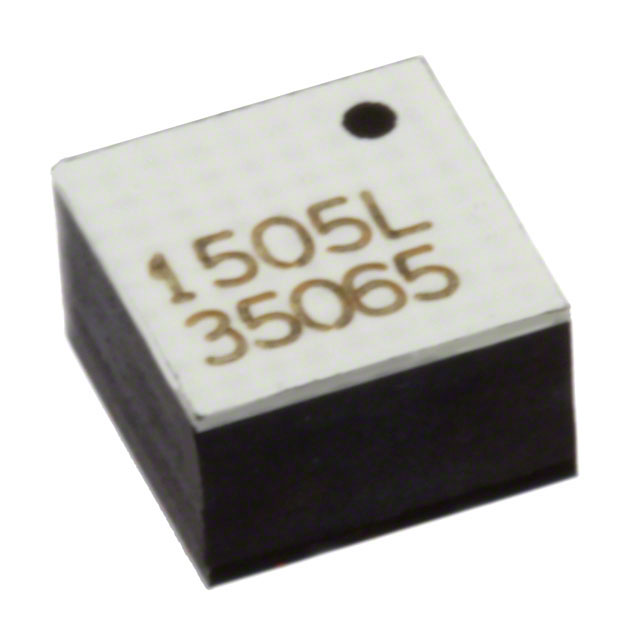
RPI-1035 | LAPIS Semiconductor | IC DETECTOR 4 DIRECTION SMD | - | -25°C ~ 85°C | - | Surface Mount | - | NPN | - | - | 6-SMD Module |

|
RB435X220PA | C&K | TILT SENSOR | RB | -20°C ~ 70°C | - | Through Hole | - | SPDT | - | - | 4-DIP Module |

|
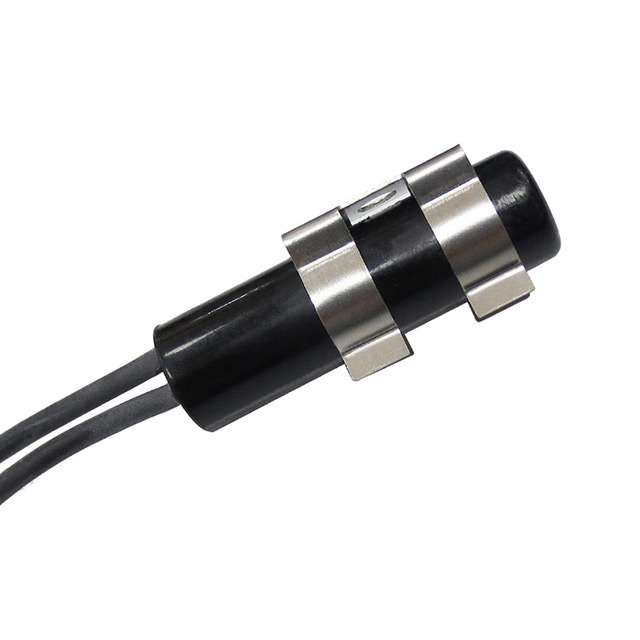
PD5005-7TC | Comus International | TILT SWITCH HYB 2.5A 240V | - | -25°C ~ 70°C | - | Surface Mount | - | SPST | - | - | Cylinder, Wire Leads |

|
28036 | Parallax, Inc. | FOUR DIRECTIONAL TILT SENSOR | - | 0°C ~ 50°C | - | Through Hole | - | Digital | - | - | 6-DIP Module |
|
AG3011-77C | Comus International | TILT SWITCH ENCAP SPST | - | - | - | Chassis Mount | - | SPST | - | - | Cylinder, Wire Leads |

|
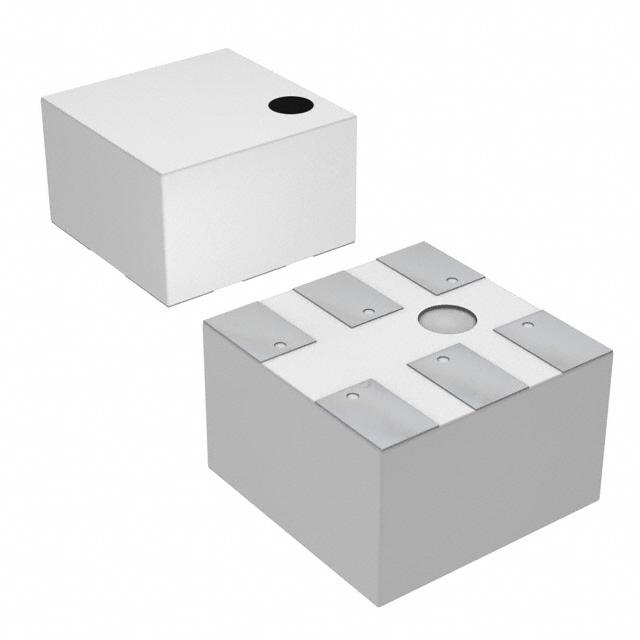
RB44145 | C&K | TILT SENSOR | RB | -20°C ~ 70°C | - | Through Hole | - | SPDT | - | - | 4-DIP Module |
|
RPI-1031 | LAPIS Semiconductor | SENSOR OPTO TRANS IMM REFL SMD | - | -25°C ~ 85°C | - | Surface Mount | - | NPN | - | - | 6-SMD |
|
|
RB230X202 | C&K | TILT SENSOR | RB | -20°C ~ 70°C | - | Through Hole | - | SPST | - | - | - |

|
TM1000Q | E-Switch | TILT SWITCH | - | -25°C ~ 70°C | - | Through Hole, Right Angle | - | SPST | - | - | 3-SIP Module |
About Motion Sensors - Tilt Switches
Tilt switches are motion sensors designed to detect changes in orientation or inclination of objects with respect to gravity. These sensors contain a conductive metal ball or mercury switch suspended within a housing. When the switch tilts beyond a certain angle, the metal ball completes an electrical circuit, signaling a change in position. Tilt switches are commonly used in safety devices, alarm systems, and industrial equipment for applications such as tilt detection, level sensing, and anti-tipping mechanisms. They offer simple, reliable, and cost-effective solutions for detecting motion or position changes in various environments, contributing to improved safety and functionality in electronic systems.