
Invent, Innovate, Integrate
- info@zenkaeurope.com
-
 English
English
English
 Deutsch
 Français
 Español
 Italiano
 中文
中文
 हिन्दी
 Lietuviškai
Motion Sensors - IMUs (Inertial Measurement Units)
Motion Sensors - IMUs (Inertial Measurement Units)
- Products
- Sensors, Transducers
- Motion Sensors - IMUs (Inertial Measurement Units)
Clear Filters
Loading products…
| Image | Part Number | Manufacturer | Description | Series | Operating Temperature | Output Type | Voltage Rating | Package / Case | Base Part Number | Sensitivity | Measuring Range | Interface |
|---|---|---|---|---|---|---|---|---|---|---|---|---|
|
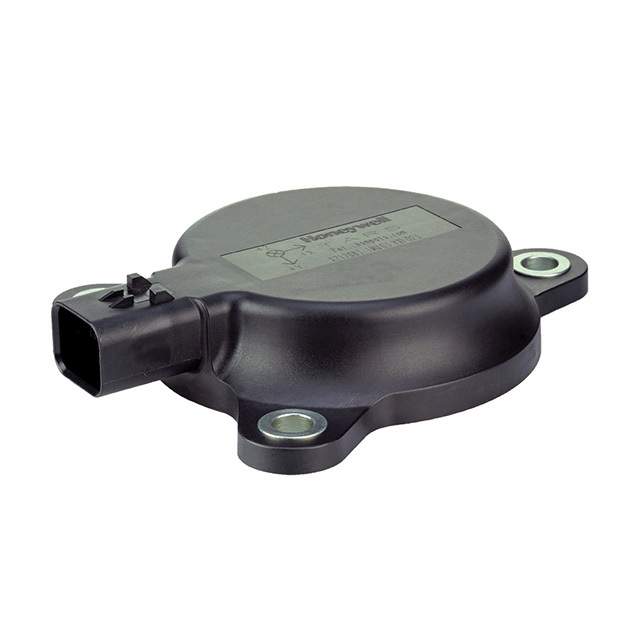
TARS-HCASS | Honeywell Sensing and Productivity Solutions | IMU, ACCEL/GYRO, CAN J1939, AMPS | TARS | -40°C ~ 85°C | CAN Bus | - | Module | - | - | - | - |

|
MAX21105ELE+T | Maxim Integrated | IMU ACCEL/GYRO I2C/SPI 16LGA | - | -40°C ~ 85°C (TA) | I²C, SPI | - | 16-VFLGA | - | - | - | - |
|
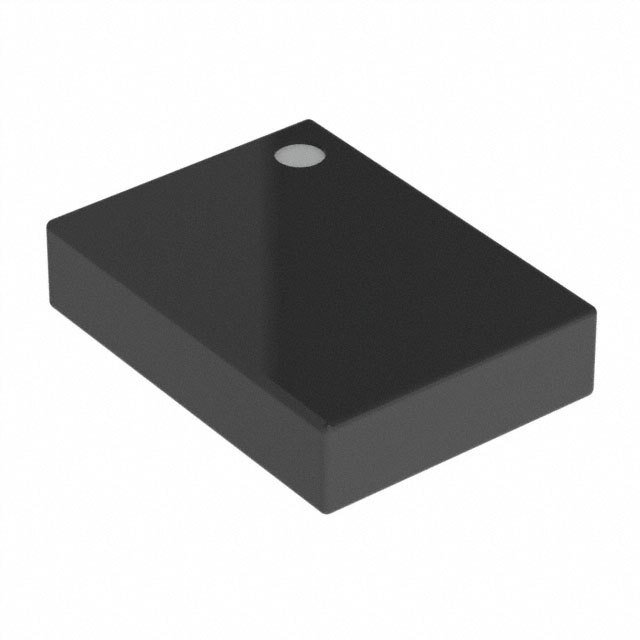
BNO085 | Hillcrest Labs | IMU ACCEL/GYRO/MAG I2C 32BIT | - | -40°C ~ 85°C | I²C, SPI, UART | - | 28-TFLGA | - | - | - | - |
|
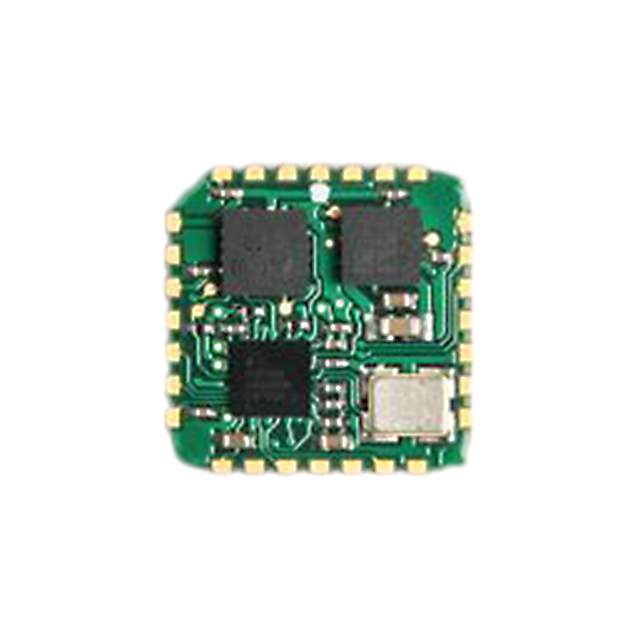
FMT1020T | AMI Semiconductor / ON Semiconductor | IMU ACCEL/GYRO/MAG I2C/SPI/UART | FMT1000 | -40°C ~ 85°C (TA) | I²C, SPI, UART | - | 28-LCC Module | - | - | - | - |

|
LSM303DLHCTR | STMicroelectronics | IMU ACCEL/MAG 3-AXIS I2C 14LGA | - | -40°C ~ 85°C (TA) | I²C | - | 14-VFLGA | - | - | - | - |
|
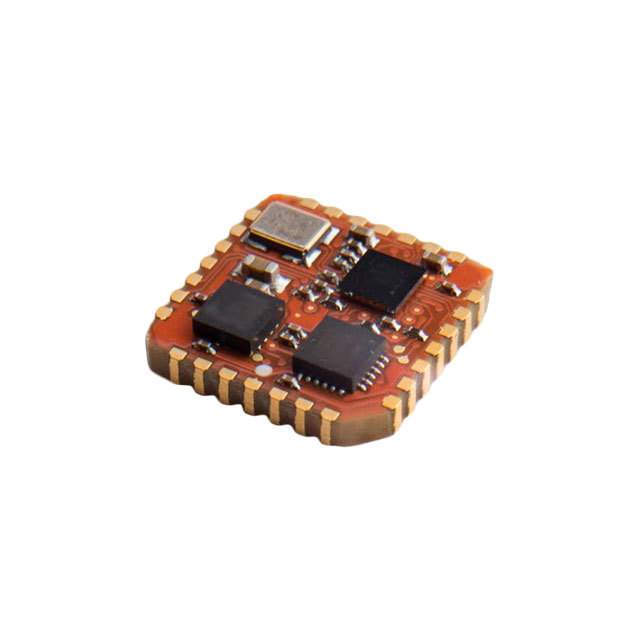
MTI-3T | Xsens | IMU ACCEL/GYRO/MAG I2C/SPI | MTi 1 | -40°C ~ 85°C (TA) | I²C, SPI | - | 28-SMD Module | - | - | - | - |
|
|
FMT1010R | AMI Semiconductor / ON Semiconductor | MEMS IMU MODULE INERTIAL + MAG | - | - | - | - | 28-LCC Module | - | - | - | - |
|
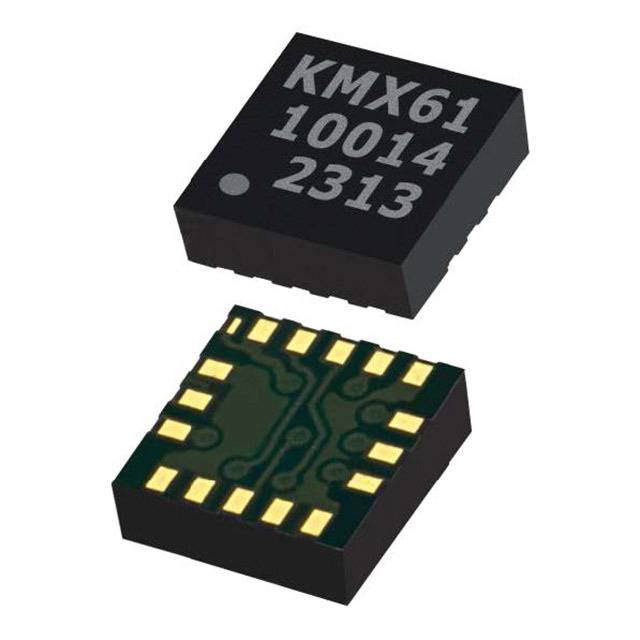
KMX61-1021-FR | LAPIS Semiconductor | IMU ACCEL/MAG 3-AXIS I2C 16LGA | - | -40°C ~ 85°C (TA) | I²C | - | 16-VFLGA | - | - | - | - |
|
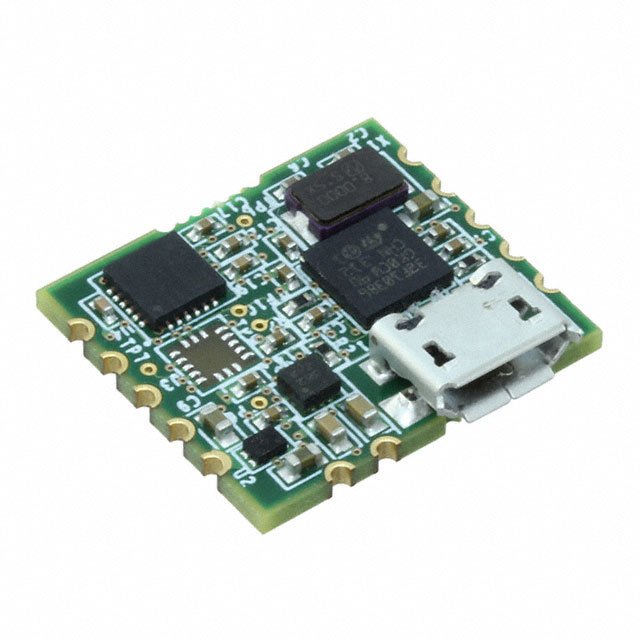
FSM-9 OEM | Hillcrest Labs | IMU MODULE 3D CALIBRATED USB/SPI | - | 0°C ~ 50°C | SPI, USB | - | 10-SMD Module | - | - | - | - |

|
LSM330DLTR | STMicroelectronics | IMU ACCEL/GYRO I2C/SPI 28LGA | - | -40°C ~ 85°C (TA) | I²C, SPI | - | 28-TFLGA | - | - | - | - |
About Motion Sensors - IMUs (Inertial Measurement Units)
Inertial Measurement Units (IMUs) are motion sensors consisting of multiple sensors such as accelerometers, gyroscopes, and sometimes magnetometers integrated into a single package. IMUs are used to measure and track motion, orientation, and spatial positioning of objects in three-dimensional space. These sensors find applications in navigation systems, robotics, virtual reality, and motion capture technologies for tasks such as motion tracking, attitude estimation, and gesture recognition. IMUs offer real-time data on acceleration, angular velocity, and magnetic field strength, enabling precise motion analysis and control in dynamic environments. They play a crucial role in enabling motion-based applications and enhancing situational awareness in various electronic systems and devices.