
Invent, Innovate, Integrate
- info@zenkaeurope.com
-
 English
English
English
 Deutsch
 Français
 Español
 Italiano
 中文
中文
 हिन्दी
 Lietuviškai
Motion Sensors - Accelerometers
Motion Sensors - Accelerometers
- Products
- Sensors, Transducers
- Motion Sensors - Accelerometers
Clear Filters
Loading products…
| Image | Part Number | Manufacturer | Description | Series | Operating Temperature | Features | Packaging | Type | Voltage - Supply | Output Type | Package / Case | Current - Supply |
|---|---|---|---|---|---|---|---|---|---|---|---|---|

|
MMA5248LCWR2 | NXP Semiconductors / Freescale | PSI5 ACCELEROMETER QFN 16 | - | - | - | - | - | - | - | - | - |

|
LIS331DLHTR | STMicroelectronics | ACCELEROMETER 2-8G I2C/SPI 16LGA | - | -40°C ~ 85°C (TA) | Adjustable Bandwidth, Selectable Scale, Sleep Mode | Tape & Reel (TR) | Digital | 2.16 V ~ 3.6 V | I²C, SPI | 16-VFLGA | - |
|
|
MMA2612NIKGCWR2 | NXP Semiconductors / Freescale | ACCELEROMETER DSI2.5 16QFN | Automotive, AEC-Q100, MMA | -40°C ~ 105°C (TA) | Selectable Low Pass Filter | Tape & Reel (TR) | Digital | 6.3 V ~ 30 V | PCM | 16-QFN Exposed Pad | - |
|
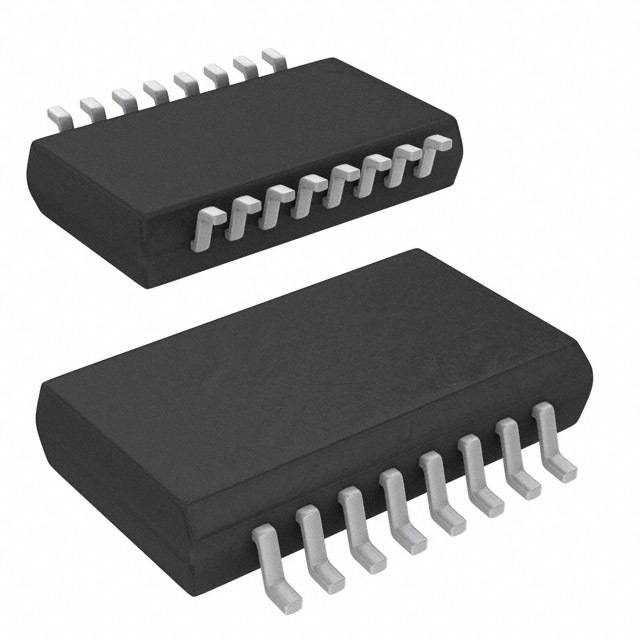
ADXL700WBRWZ | ADI (Analog Devices, Inc.) | HIGH PERF 3 AXIS LOW G ESC 16SOI | Automotive | -40°C ~ 105°C | Selectable Low Pass Filter | Tube | Digital | 3.3 V ~ 5 V | SPI | 16-SOIC (0.295", 7.50mm Width) | - |

|
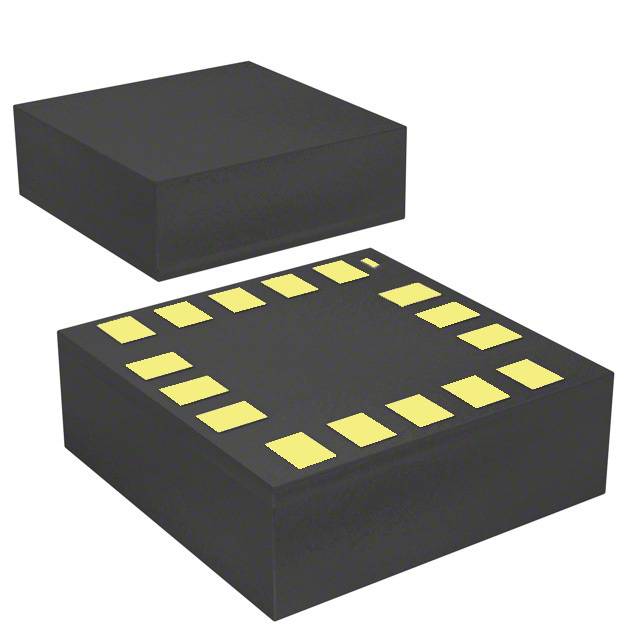
BMA220 | Bosch Sensortec | ACCEL 2-16G I2C/SPI 12LGA | - | -40°C ~ 85°C (TA) | Adjustable Bandwidth, Selectable Scale | Tape & Reel (TR) | Digital | 1.62 V ~ 3.6 V | I²C, SPI | 12-VFLGA | - |
|
KXCNL-1010-FR | LAPIS Semiconductor | ACCELEROMETER 2-8G I2C 16LGA | - | -40°C ~ 85°C (TA) | Adjustable Bandwidth | Cut Tape (CT) | Digital | 1.71 V ~ 3.6 V | I²C | 16-LGA | - |
|
|
PXLS63333AES | NXP Semiconductors / Freescale | XTRINSIC 2 AXIS HIGH/HIGH XY PSI | - | - | - | - | - | - | - | - | - |
|
|
SX1533KWT1 | NXP Semiconductors / Freescale | ACCELEROMETER | - | - | - | - | - | - | - | - | - |

|
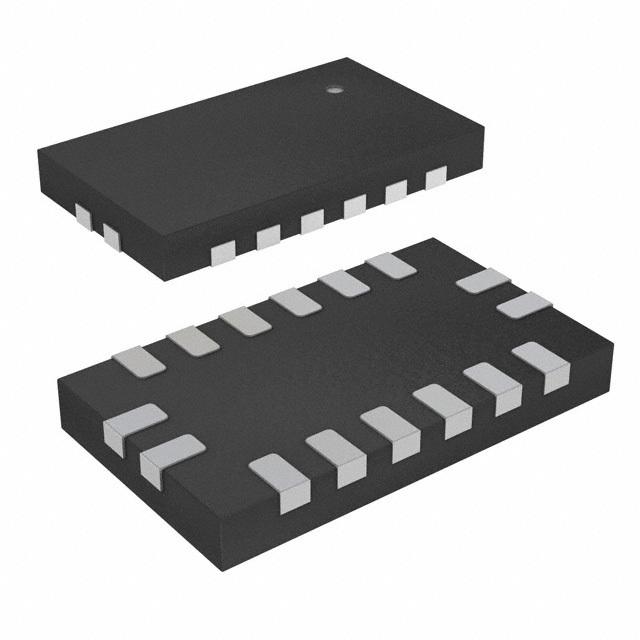
AGF10321 | Panasonic | ACCELEROMETER 1.2G ANALOG | GF1 | -30°C ~ 85°C (TA) | - | Bulk | Analog | 10.8 V ~ 12.2 V | Analog Voltage | - | - |
|
LIS3LV02DL | STMicroelectronics | ACCELEROMETER 2-6G I2C/SPI 16LGA | - | -40°C ~ 85°C (TA) | Adjustable Bandwidth, Selectable Scale | Tray | Digital | 2.16 V ~ 3.6 V | I²C, SPI | 16-VLGA | - |
About Motion Sensors - Accelerometers
Accelerometers are motion sensors designed to measure and detect changes in acceleration, including static forces such as gravity and dynamic forces such as vibration and shock. These sensors utilize various technologies such as piezoelectric, capacitive, or MEMS (Micro-Electro-Mechanical Systems) principles to convert mechanical motion into electrical signals. Accelerometers find applications in automotive systems, aerospace, consumer electronics, and industrial equipment for tasks such as tilt sensing, vibration monitoring, and impact detection. They offer advantages such as high sensitivity, low power consumption, and compact size, making them essential components in applications requiring motion sensing, orientation detection, and inertial navigation.