
Invent, Innovate, Integrate
- info@zenkaeurope.com
-
 English
English
English
 Deutsch
 Français
 Español
 Italiano
 中文
中文
 हिन्दी
 Lietuviškai
Manufacturer
Series
Operating Temperature
Packaging
RoHS Status
Manufacturer Part Number
Voltage - Supply
Shell Style
Package / Case
Clear Filters
Loading products…
| Image | Part Number | Manufacturer | Description | Series | Operating Temperature | Features | Packaging | RoHS Status | Manufacturer Part Number | Voltage - Supply | Shell Style | Package / Case |
|---|---|---|---|---|---|---|---|---|---|---|---|---|

|
MTSMC-G2-V-SP | Multi-Tech Systems, Inc. | RF TXRX MODULE CELLULAR U.FL ANT | SocketModem® Cell | -40°C ~ 85°C | - | Tray | - | - | 5V | - | Module |
|
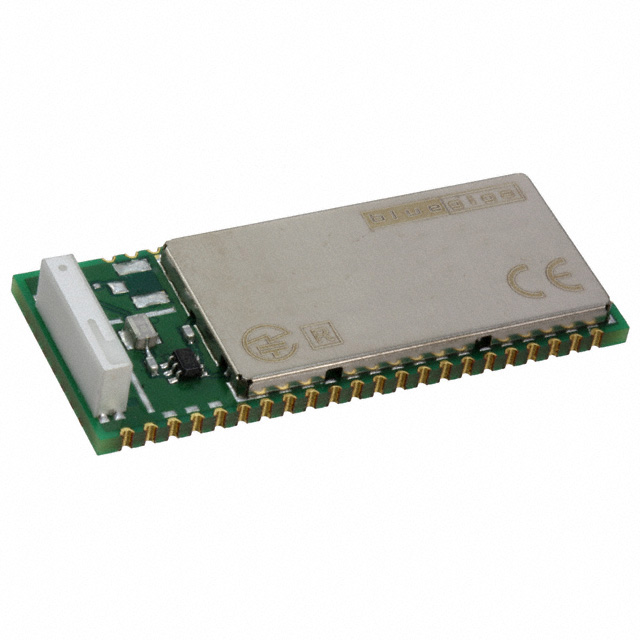
WT41-A-AI5 | Energy Micro (Silicon Labs) | RF TXRX MOD BLUETOOTH CHIP ANT | - | -40°C ~ 85°C | - | Cut Tape (CT) | - | - | 3 V ~ 3.6 V | - | Module |
|
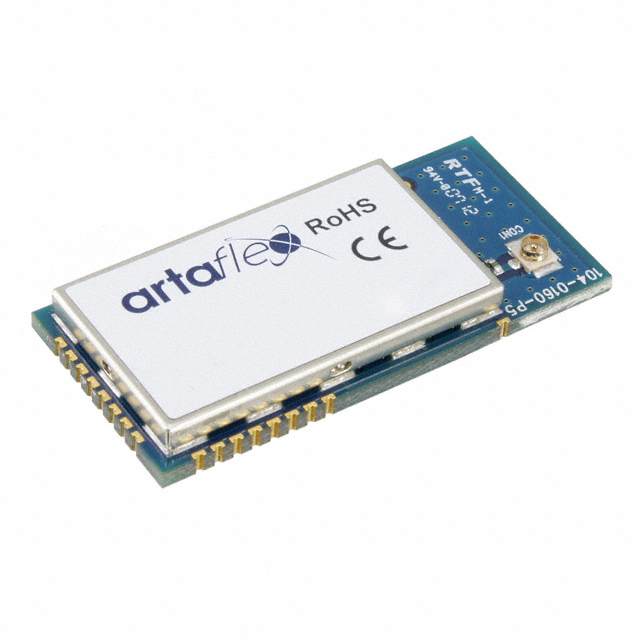
AW24TH-U-SM | Artaflex Inc. | RF TXRX MODULE 802.15.4 U.FL ANT | - | -40°C ~ 85°C | - | Tray | - | - | 2.7 V ~ 3.6 V | - | Module |

|
RM024-S50-C-01 | Laird Technologies | RF TXRX MODULE ISM>1GHZ U.FL ANT | - | -40°C ~ 85°C | - | Tray | - | - | 2.3 V ~ 3.6 V | - | Module |
|
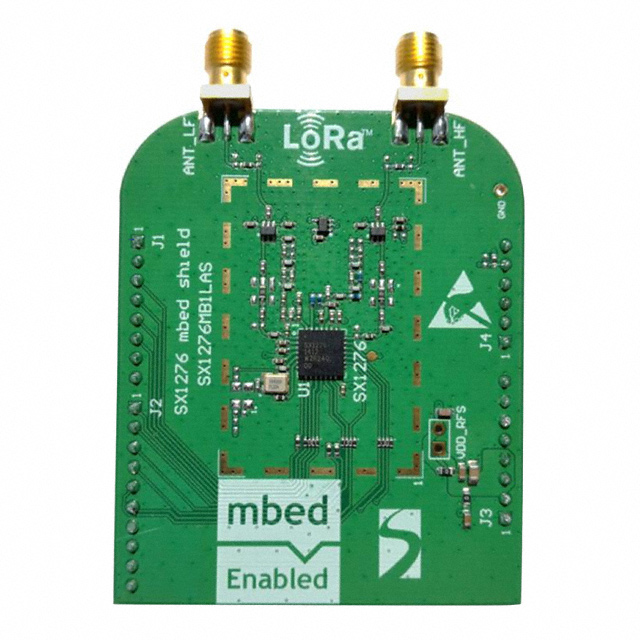
SX1276MB1MAS | Semtech | RF TXRX MODULE ISM<1GHZ U.FL ANT | LoRa™ | -40°C ~ 85°C | - | Bulk | - | - | 1.8 V ~ 3.7 V | - | Module |

|
ISM43362-M3G-L44-U-C2.5.0.3 | Inventek Systems | RF TXRX MODULE WIFI U.FL ANT | eS-WiFi™, WICED | -40°C ~ 85°C | - | Tray | - | - | 3 V ~ 3.6 V | - | Module |
|
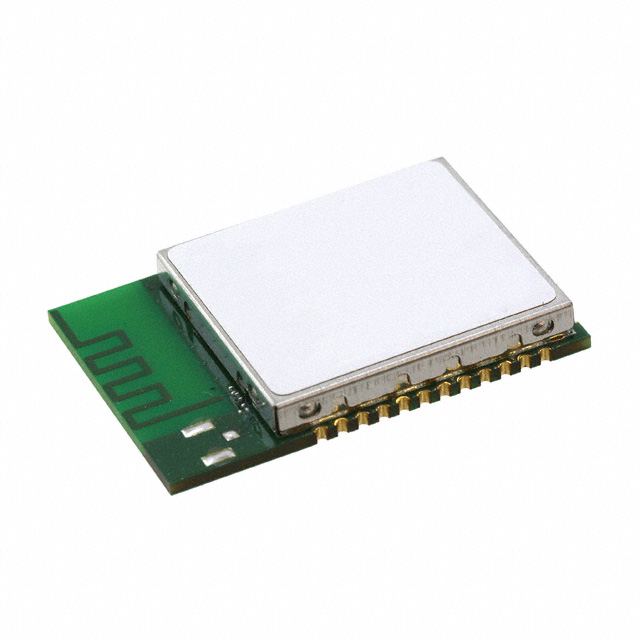
700-0033-100 | GainSpan Corporation | RF TXRX MODULE WIFI TRACE ANT | - | -40°C ~ 85°C | - | Tray | - | - | 3.3V | - | Module |

|
RFD21733-V1.9API | RF Digital | MODULE RF TXRX LONG RANGE 15MM | - | -40°C ~ 85°C | - | - | - | - | 1.9 V ~ 3.3 V | - | 19-SMD Module |
|
|
CC2650MODAMOHR | N/A | MULTISTD BLE/802.15.WIRELESS MCU | - | - | - | Cut Tape (CT) | - | - | - | - | 29-SMD Module, Exposed Pad |

|
450-0118C | Laird Technologies | RF TXRX MODULE WIFI | WICED | -40°C ~ 85°C | - | Strip | - | - | 3.13 V ~ 3.46 V | - | Module |
About RF Transceiver Modules
RF transceiver modules are integrated circuits or devices capable of both transmitting and receiving radio-frequency signals. These modules combine the functionality of RF transmitters and receivers into a single package, enabling bidirectional communication in RF-based systems. RF transceiver modules are widely used in wireless communication systems, data telemetry, remote sensing, and IoT (Internet of Things) devices where two-way communication is required.