
Invent, Innovate, Integrate
- info@zenkaeurope.com
-
 English
English
English
 Deutsch
 Français
 Español
 Italiano
 中文
中文
 हिन्दी
 Lietuviškai
Manufacturer
Series
Operating Temperature
Packaging
RoHS Status
Manufacturer Part Number
Voltage - Supply
Shell Style
Package / Case
Clear Filters
Loading products…
| Image | Part Number | Manufacturer | Description | Series | Operating Temperature | Features | Packaging | RoHS Status | Manufacturer Part Number | Voltage - Supply | Shell Style | Package / Case |
|---|---|---|---|---|---|---|---|---|---|---|---|---|
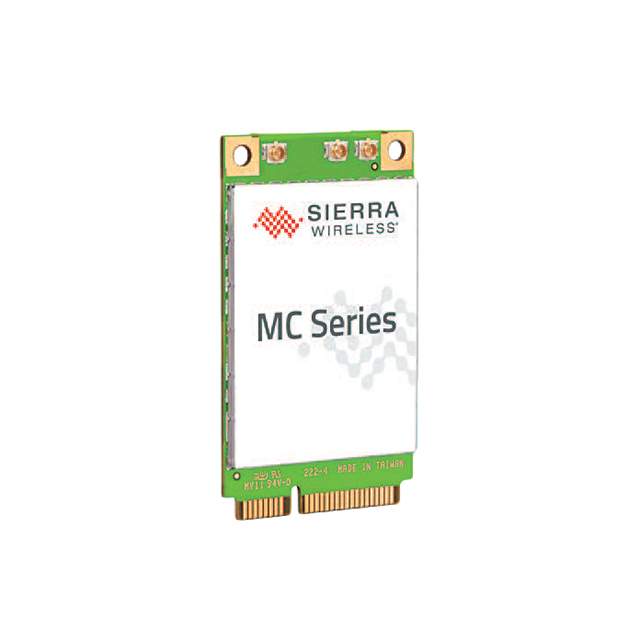
|
MC7430_1103730 | Sierra Wireless | RF TXRX CELL 4G LTE CAT-6 APAC | MC | -40°C ~ 85°C | - | - | - | - | - | - | Module |
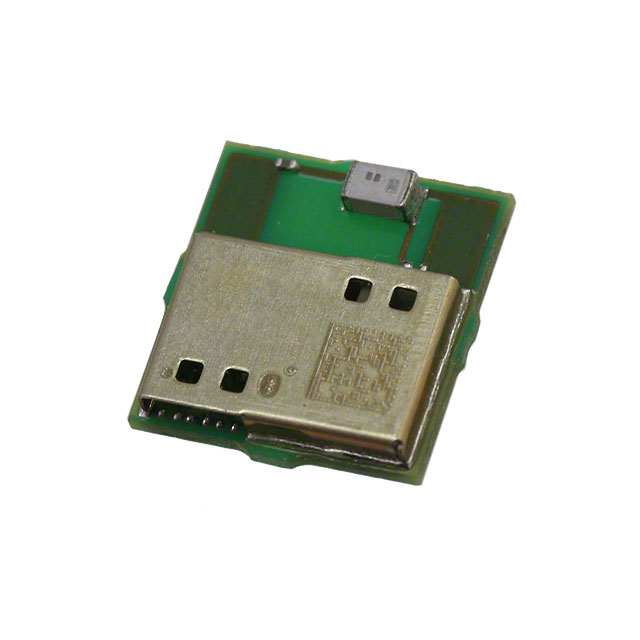
|
ENW-89827A2JF | Panasonic | RF TXRX MOD BLUETOOTH CHIP ANT | PAN1327 | -20°C ~ 70°C | - | Cut Tape (CT) | - | - | 1.7 V ~ 4.8 V | - | PCB Module |

|
MTSMC-C2-IP-N16.R3-SP | Multi-Tech Systems, Inc. | RF TXRX CELL 2G/3G VERIZON/SPRIN | SocketModem® iCell | -40°C ~ 85°C | - | Tray | - | - | 3.3 V ~ 5 V | - | Module |

|
XBP24-Z7SIT-006J | Digi International | RF TXRX MODULE 802.15.4 RP-SMA | XBee-Pro® ZB | -40°C ~ 85°C | - | Bulk | - | - | 3 V ~ 3.4 V | - | Module |
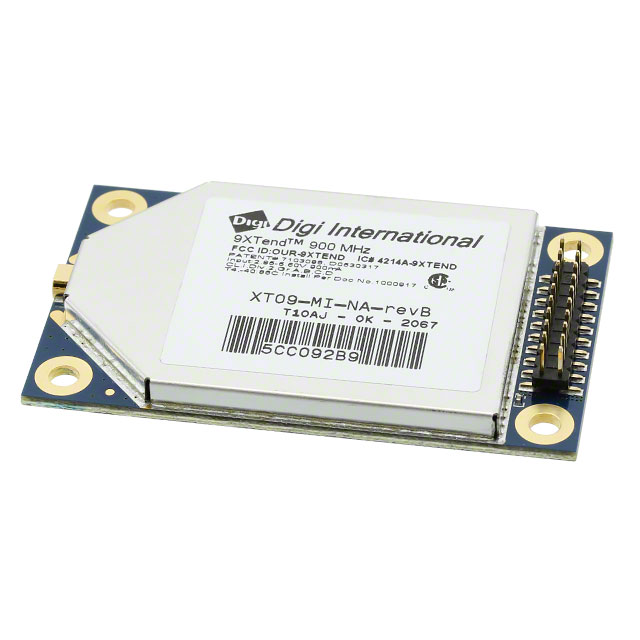
|
XT09-MI-NA | Digi International | RF TXRX MODULE ISM<1GHZ MMCX ANT | XTend® | -40°C ~ 85°C | - | Bulk | - | - | 2.8 V ~ 5.5 V | - | Module |
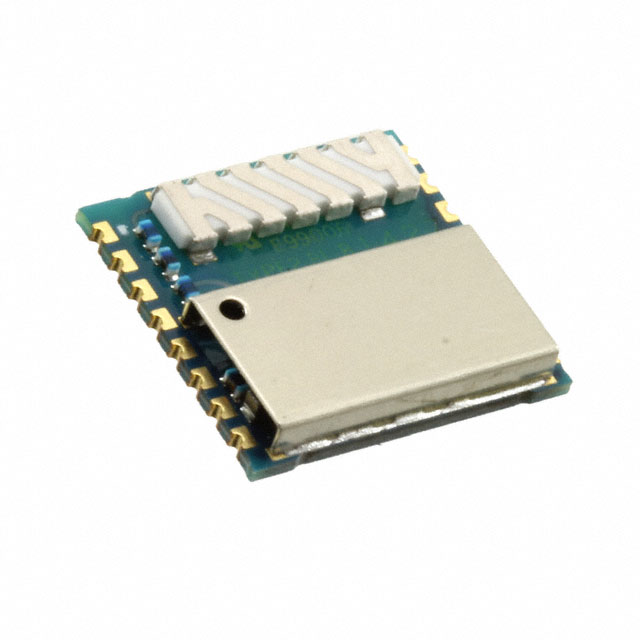
|
SP1ML-915 | STMicroelectronics | RF TXRX MODULE ISM<1GHZ CHIP ANT | - | -40°C ~ 85°C | - | Tray | - | - | 1.8 V ~ 3.6 V | - | 16-SMD Module |
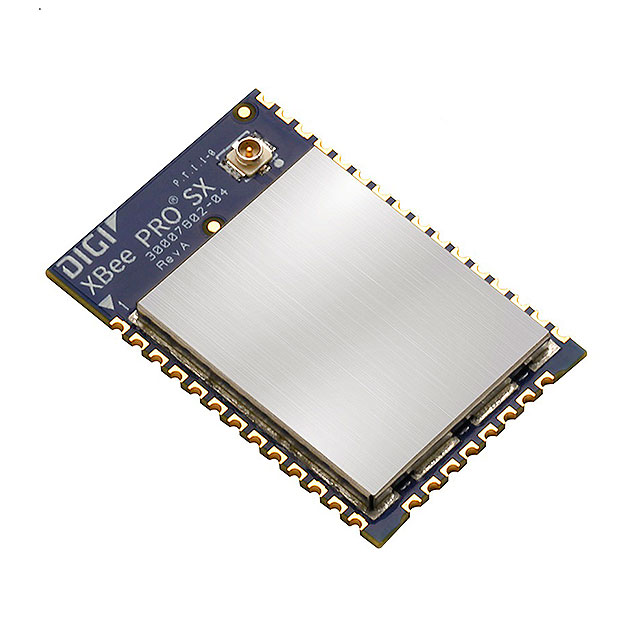
|
XB8X-DMUS-001 | Digi International | XBEE SX 868, 25 MW, DIGIMESH/P2M | - | -40°C ~ 85°C | - | Tray | - | - | 2.4 V ~ 3.6 V | - | 37-SMD Module |
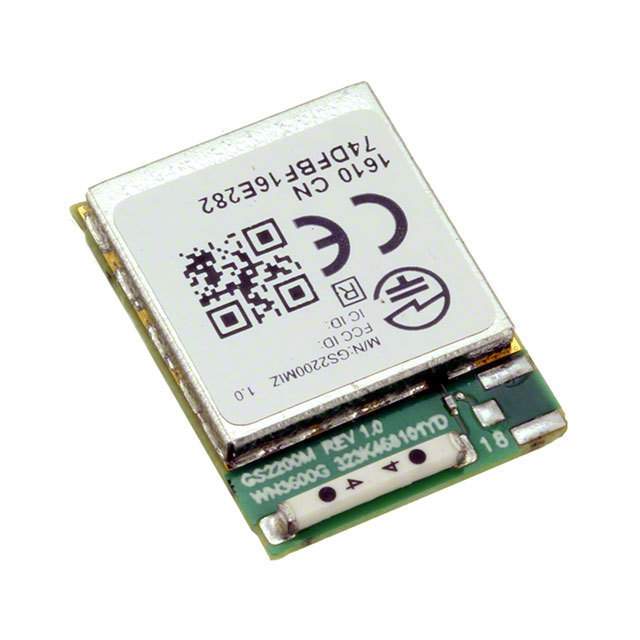
|
700-0084 | GainSpan Corporation | RF TXRX MODULE WIFI CHIP ANT | - | -20°C ~ 70°C | - | Tape & Reel (TR) | - | - | 1.6 V ~ 3.6 V | - | 66-SMD Module |
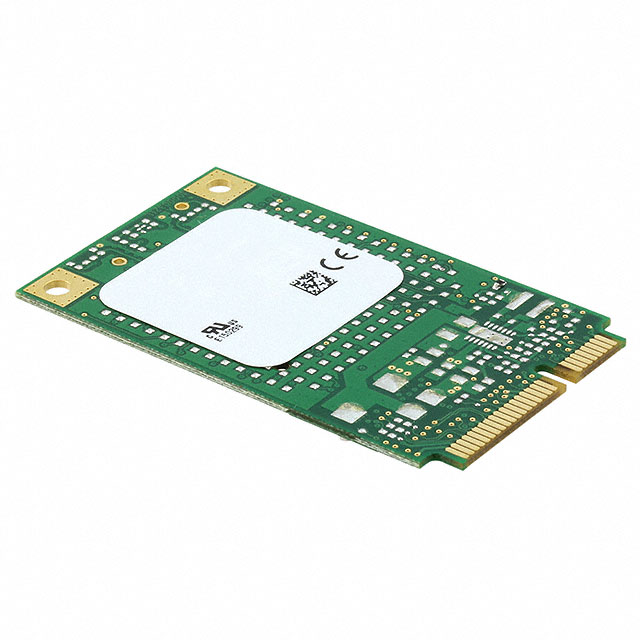
|
MTPCIE-BW-SP | Multi-Tech Systems, Inc. | RF TXRX MOD BLUETOOTH/WIFI U.FL | MultiConnect® | -30°C ~ 70°C | - | Bulk | - | - | 3.3V | - | Module |

|
EM7565_1103520 | Sierra Wireless | 4G LTE-A GLOBAL M.2 | - | - | - | Bulk | - | - | - | - | Module |
About RF Transceiver Modules
RF transceiver modules are integrated circuits or devices capable of both transmitting and receiving radio-frequency signals. These modules combine the functionality of RF transmitters and receivers into a single package, enabling bidirectional communication in RF-based systems. RF transceiver modules are widely used in wireless communication systems, data telemetry, remote sensing, and IoT (Internet of Things) devices where two-way communication is required.