
Invent, Innovate, Integrate
- info@zenkaeurope.com
-
 English
English
English
 Deutsch
 Français
 Español
 Italiano
 中文
中文
 हिन्दी
 Lietuviškai
Manufacturer
Series
Operating Temperature
Packaging
RoHS Status
Manufacturer Part Number
Voltage - Supply
Shell Style
Package / Case
Clear Filters
Loading products…
| Image | Part Number | Manufacturer | Description | Series | Operating Temperature | Features | Packaging | RoHS Status | Manufacturer Part Number | Voltage - Supply | Shell Style | Package / Case |
|---|---|---|---|---|---|---|---|---|---|---|---|---|
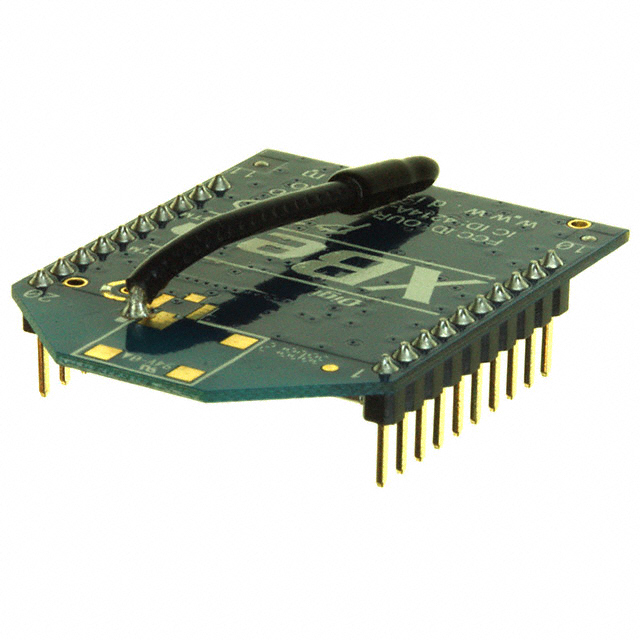
|
XBP24-DMWIT-250 | Digi International | RF TXRX MODULE ISM>1GHZ WIRE ANT | XBee-Pro® DigiMesh® 2.4 | -40°C ~ 85°C | - | Bulk | - | - | 2.8 V ~ 3.4 V | - | Module |
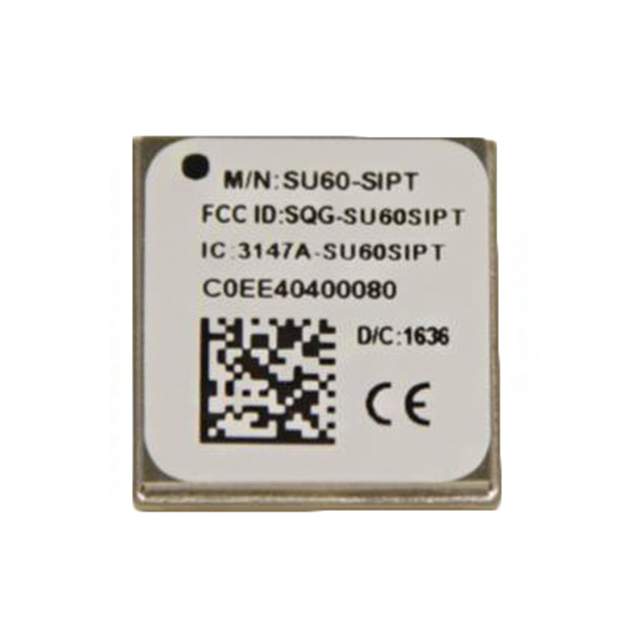
|
ST60-SIPT | Laird Technologies | 60 SERIES STERLING SIPT | 60 | -30°C ~ 85°C | - | Tape & Reel (TR) | - | - | - | - | Module |
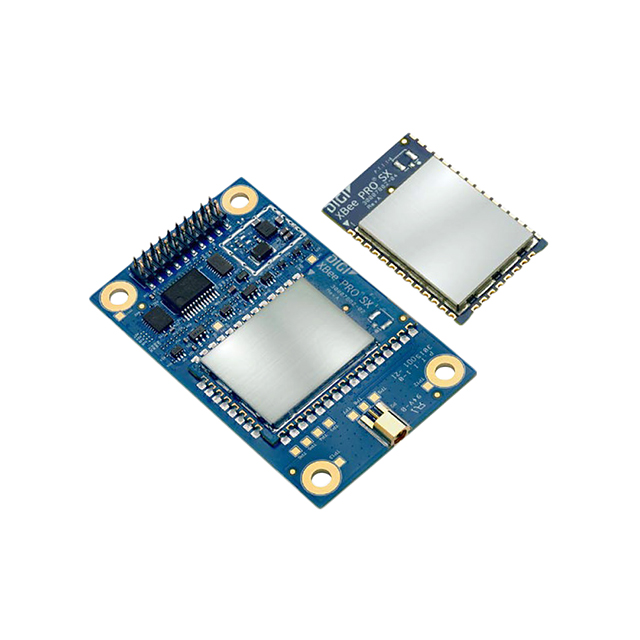
|
XTP9B-DPS-721 | Digi International | XTEND VB AND XBEE XTC MODULES | - | -40°C ~ 85°C | - | Bulk | - | - | 2.8 V ~ 5.5 V | - | Module |
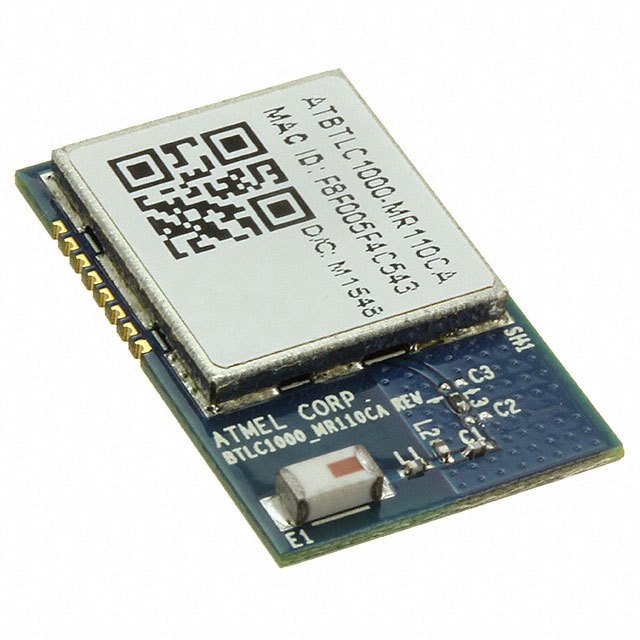
|
ATBTLC1000-ZR110CA | Micrel / Microchip Technology | RF TXRX MOD BLUETOOTH CHIP ANT | - | -40°C ~ 85°C | - | Tray | - | - | 1.8 V ~ 4.3 V | - | Module |
|
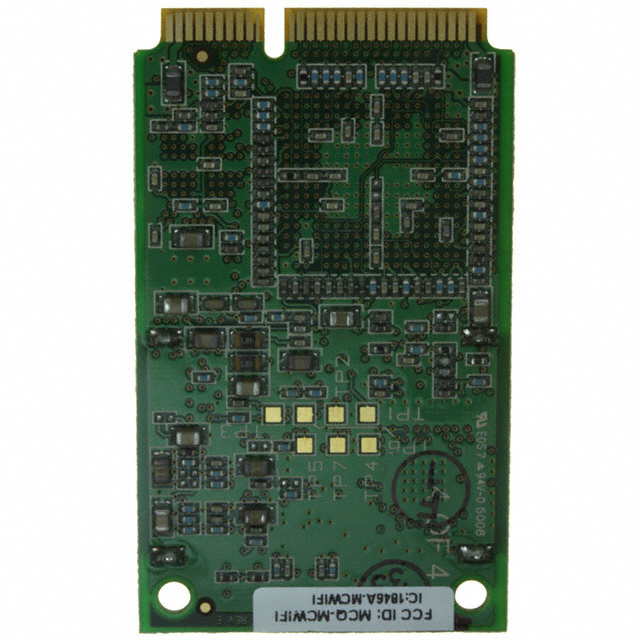
20-101-1265 | Digi International | RF TXRX MODULE WIFI U.FL ANT | MiniCore® | -30°C ~ 55°C | - | Bulk | - | - | 3.15 V ~ 3.45 V | - | Module |
|
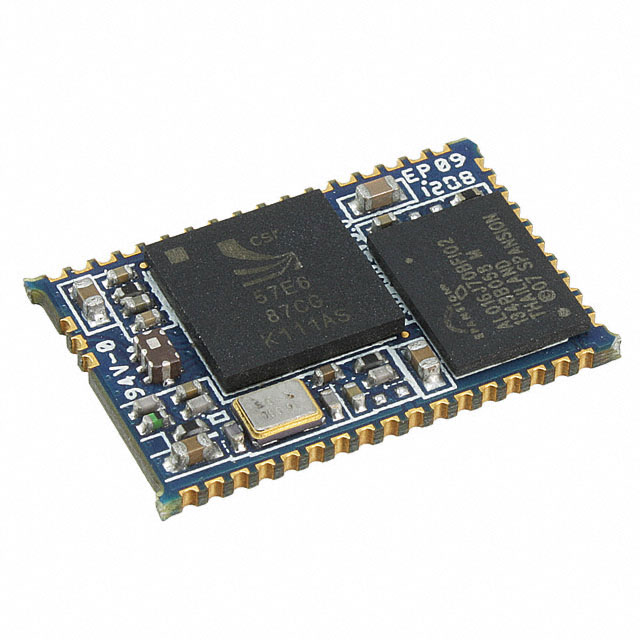
ABBTM-2.4GHZ-51-T | Abracon Corporation | RF TXRX MODULE BLUETOOTH | - | -40°C ~ 85°C | - | Bulk | - | - | 1.5V, 3.3V | - | 54-SMD Module, 47 Leads |
|
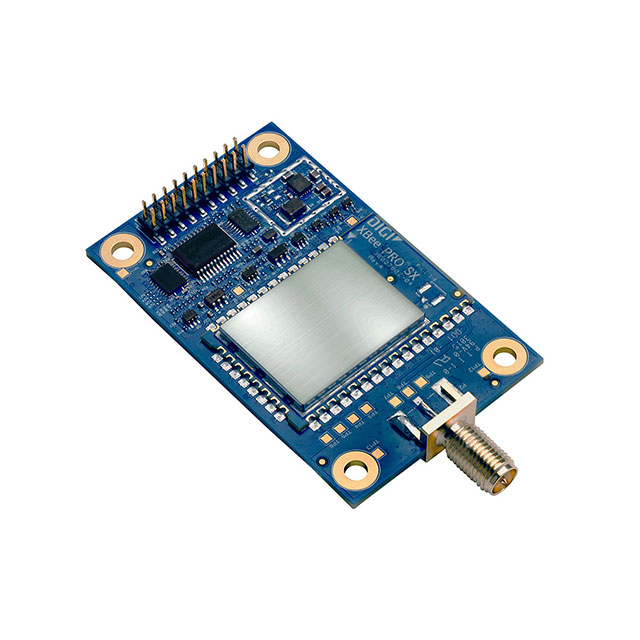
XTP9B-DPS-001 | Digi International | 9XTEND REPLACEMENT, P2MP, RPSMA, | XTend® | -40°C ~ 85°C | - | Tray | - | - | 2.8 V ~ 5.5 V | - | Module |

|
114990085 | Seeed | WIFI SERIAL TRANSCEIVER MODULE W | - | - | - | Bulk | - | - | 3.3V | - | 8-DIP Module |
|
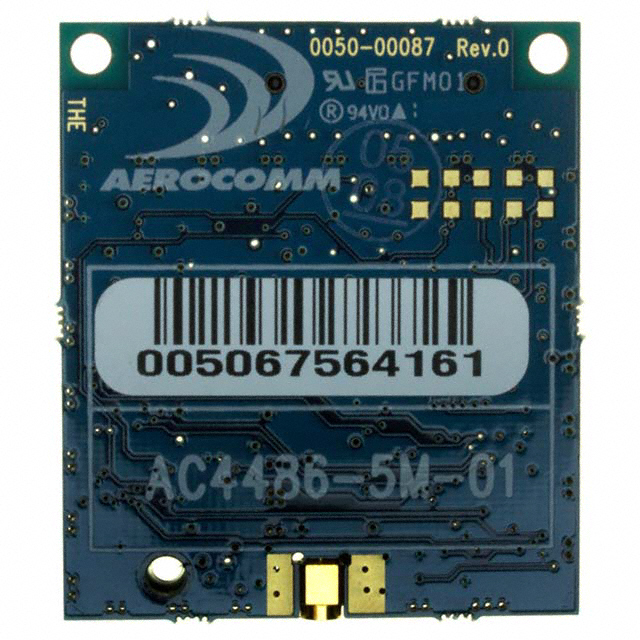
AC4486-5M | Laird Technologies | RF TXRX MODULE ISM<1GHZ MMCX ANT | - | -40°C ~ 80°C | - | - | - | - | 3.3V | - | Module |

|
WT11U-A-AI55 | Energy Micro (Silicon Labs) | AI55 : IWRAP5.5. BLUETOOTH 2.1+E | - | -40°C ~ 85°C | - | Tape & Reel (TR) | - | - | 3.3V | - | Module |
About RF Transceiver Modules
RF transceiver modules are integrated circuits or devices capable of both transmitting and receiving radio-frequency signals. These modules combine the functionality of RF transmitters and receivers into a single package, enabling bidirectional communication in RF-based systems. RF transceiver modules are widely used in wireless communication systems, data telemetry, remote sensing, and IoT (Internet of Things) devices where two-way communication is required.