
Invent, Innovate, Integrate
- info@zenkaeurope.com
-
 English
English
English
 Deutsch
 Français
 Español
 Italiano
 中文
中文
 हिन्दी
 Lietuviškai
Manufacturer
Series
Packaging
Mounting Type
RoHS Status
Manufacturer Part Number
Clear Filters
Loading products…
| Image | Part Number | Manufacturer | Description | Series | Operating Temperature | Packaging | Mounting Type | RoHS Status | Manufacturer Part Number | Voltage - Supply | Output | Response Time |
|---|---|---|---|---|---|---|---|---|---|---|---|---|

|
PVU414S-T | International Rectifier (Infineon Technologies) | SSR RELAY SPST-NO 140MA 0-400V | PVU, HEXFET® | - | Tape & Reel (TR) | Surface Mount | - | - | - | - | - |
|
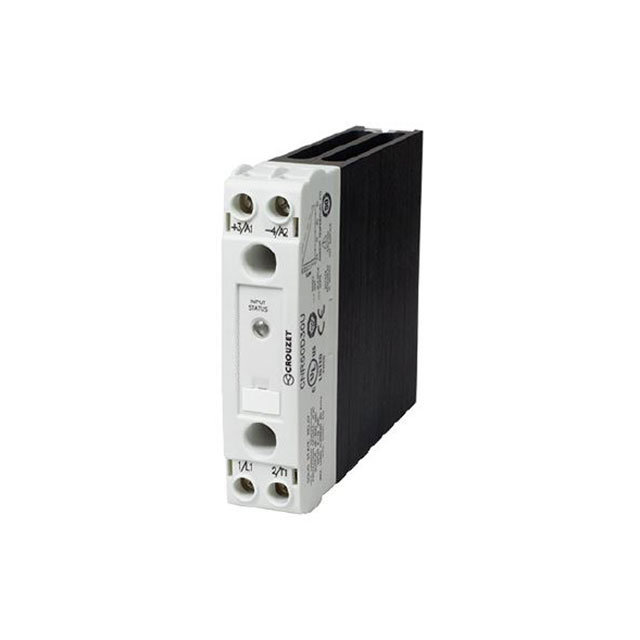
CNR60A30U | Crydom | SSR RELAY SPST-NO 30A 48-600V | CNR | - | Bulk | DIN Rail | - | - | - | - | - |
|
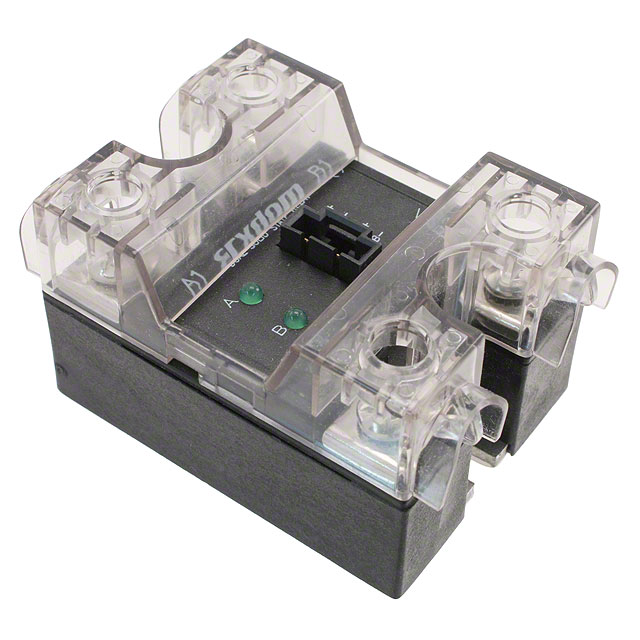
CC4825D3VR | Crydom | SSR RELAY SPST-NO 25A 48-660V | Evolution Dual | - | Bulk | Chassis Mount | - | - | - | - | - |
|
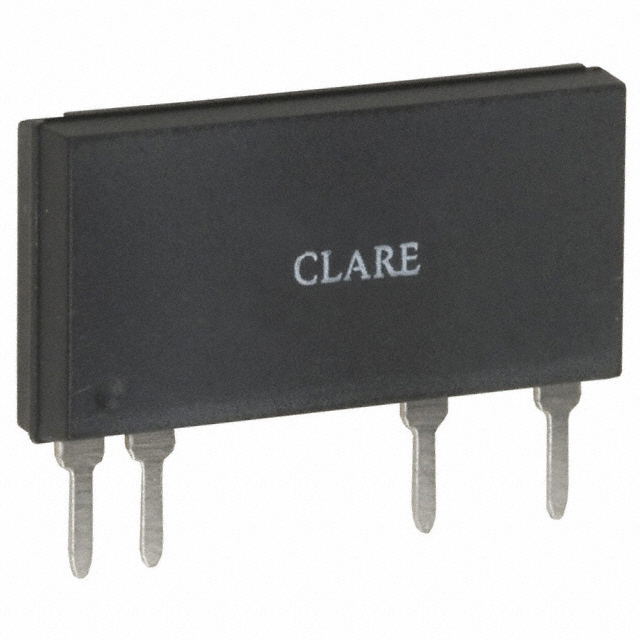
PS2601 | IXYS Integrated Circuits Division | SSR RELAY SPST-NO 1A 0-600V | PS | - | Tube | Through Hole | - | - | - | - | - |

|
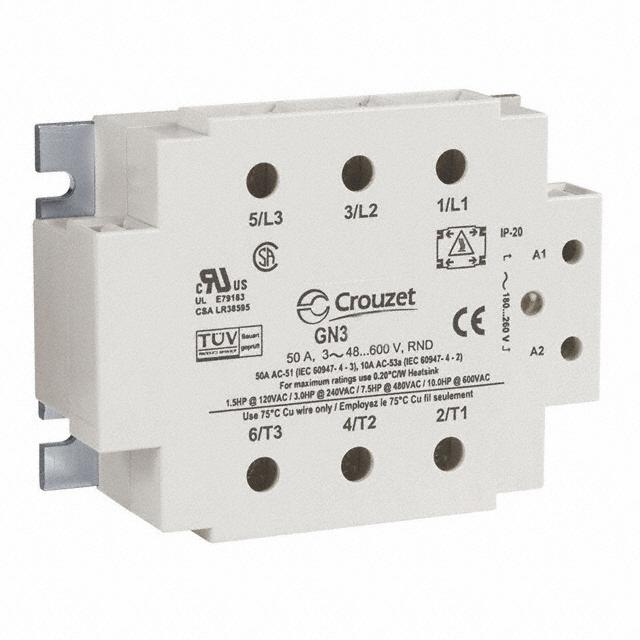
DRC3P60C420R | Crydom | SOLID STATE RELAY 48-600 VAC | - | - | - | - | - | - | - | - | - |
|
GN325ASZ | Crydom | SSR RELAY 3PST-NO 25A 48-530V | GN3 | - | Bulk | DIN Rail | - | - | - | - | - |
|
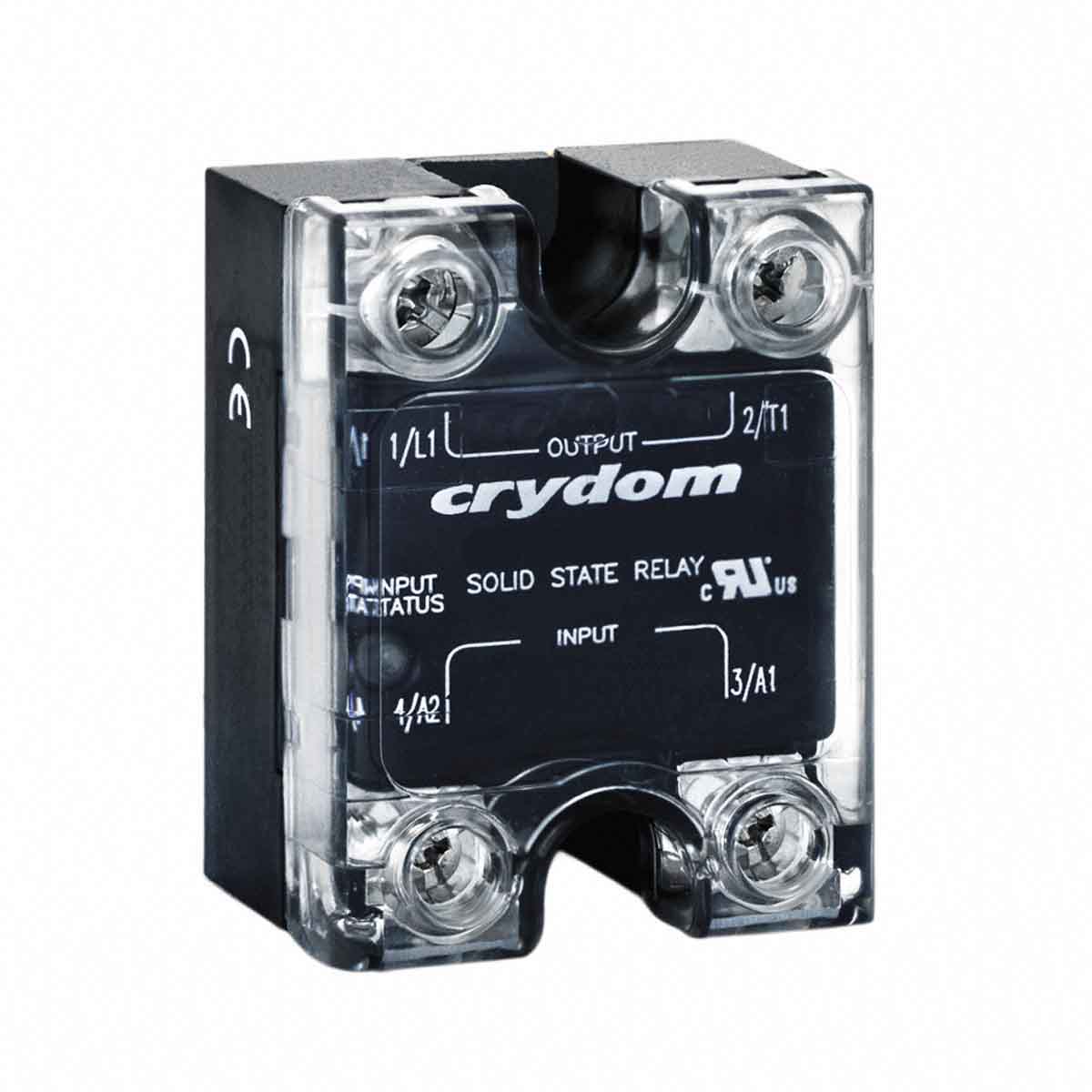
CWU4825P | Crydom | SSR RELAY SPST-NO 25A 48-660V | CW48 | - | Bulk | Chassis Mount | - | - | - | - | - |
|
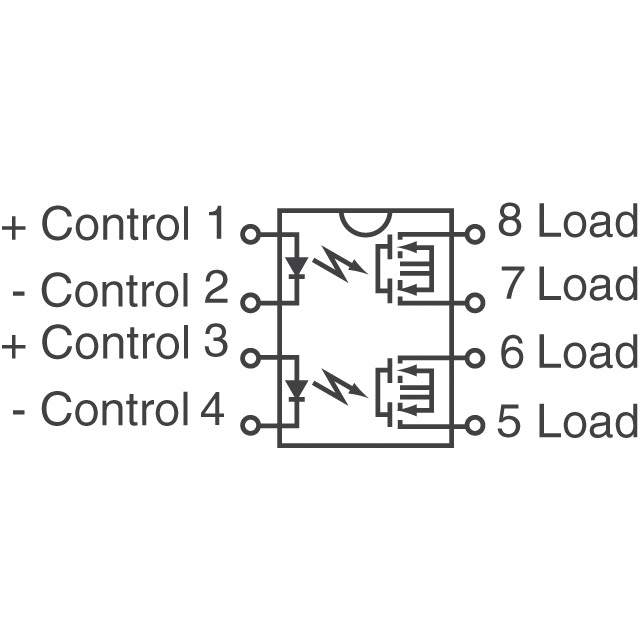
LBA716 | IXYS Integrated Circuits Division | SSR RELAY SPST-NO/NC 1A 0-60V | LBA, OptoMOS® | - | Tube | Through Hole | - | - | - | - | - |
|
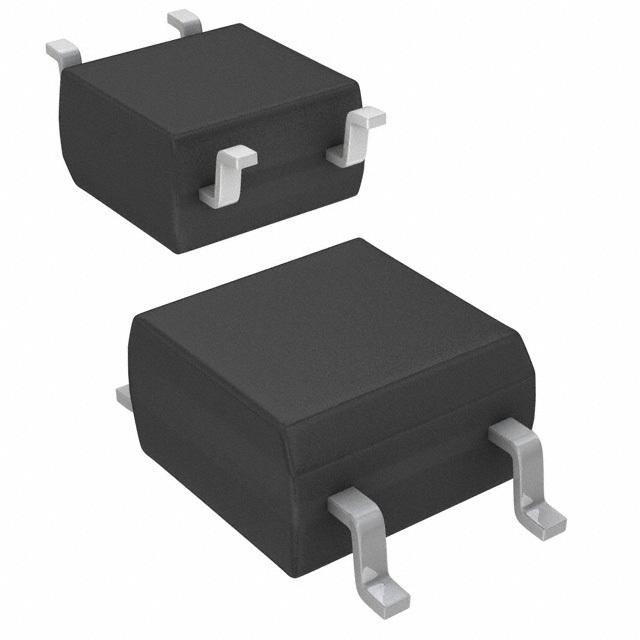
CPC1106N | IXYS Integrated Circuits Division | SSR RELAY SPST-NC 75MA 0-60V | CPC, OptoMOS® | - | Tube | Surface Mount | - | - | - | - | - |

|
TLP172GM(TPR,E | Toshiba Semiconductor and Storage | SSR RELAY SPST-NO 110MA 0-350V | TLP172GM | - | Tape & Reel (TR) | Surface Mount | - | - | - | - | - |
About Solid State Relays
Solid-state relays (SSRs) are electronic switching devices that control the flow of electrical current using semiconductor switching elements such as thyristors, triacs, or MOSFETs (metal-oxide-semiconductor field-effect transistors). Unlike electromechanical relays, SSRs have no moving parts, offering advantages such as fast switching speed, high reliability, silent operation, and long operational life. Solid-state relays find applications in industrial automation, process control systems, HVAC systems, medical equipment, and consumer electronics for tasks such as switching AC or DC loads, motor control, temperature control, and lighting control.