
Invent, Innovate, Integrate
- info@zenkaeurope.com
-
 English
English
English
 Deutsch
 Français
 Español
 Italiano
 中文
中文
 हिन्दी
 Lietuviškai
-
Switches
- Selector Switches
- Snap Action, Limit Switches
- Pushbutton Switches
- Slide Switches
- Rotary Switches
- Rocker Switches
- Pushbutton Switches - Hall Effect
- Programmable Display Switches
- Navigation Switches, Joystick
- Accessories
- Magnetic, Reed Switches
- Keypad Switches
- Configurable Switch Components - Lens
- DIP Switches
- Keylock Switches
- Configurable Switch Components - Contact Block
- Configurable Switch Components - Illumination Source
- Accessories - Boots, Seals
- Configurable Switch Components - Body
- Accessories - Caps
- Toggle Switches
- Cable Pull Switches
- Thumbwheel Switches
- Tactile Switches
-
Sensors, Transducers
- Optical Sensors - Photo Detectors - Logic Output
- Optical Sensors - Photo Detectors - CdS Cells
- Sensor Interface - Junction Blocks
- Ultrasonic Receivers, Transmitters
- Optical Sensors - Photoelectric, Industrial
- Proximity/Occupancy Sensors - Finished Units
- Sensor Cable - Assemblies
- Sensor Cable - Accessories
- Optical Sensors - Photo Detectors - Remote Receiver
- Motion Sensors - Tilt Switches
- Proximity Sensors
- Optical Sensors - Photodiodes
- Touch Sensors
- Multifunction
- Motion Sensors - Vibration
- Temperature Sensors - Thermostats - Solid State
- Motion Sensors - Inclinometers
- Pressure Sensors, Transducers
- Temperature Sensors - Thermostats - Mechanical
- Motion Sensors - Gyroscopes
- Motion Sensors - Accelerometers
- Magnets - Sensor Matched
- Magnets - Multi Purpose
- Temperature Sensors - PTC Thermistors
- Temperature Sensors - RTD (Resistance Temperature Detector)
- Temperature Sensors - NTC Thermistors
- Magnetic Sensors - Compass, Magnetic Field (Modules)
- Optical Sensors - Distance Measuring
- Magnetic Sensors - Linear, Compass (ICs)
- LVDT Transducers (Linear Variable Differential Transformer)
- IrDA Transceiver Modules
- Image Sensors, Camera
- Humidity, Moisture Sensors
- Gas Sensors
- Force Sensors
- Flow Sensors
- Float, Level Sensors
- Solar Cells
- Shock Sensors
- Color Sensors
- Amplifiers
- Position Sensors - Angle, Linear Position Measuring
- Optical Sensors - Reflective - Logic Output
- Optical Sensors - Reflective - Analog Output
- Optical Sensors - Phototransistors
- Optical Sensors - Photointerrupters - Slot Type - Transistor Output
- Optical Sensors - Photointerrupters - Slot Type - Logic Output
- Optical Sensors - Ambient Light, IR, UV Sensors
- Motion Sensors - Optical
- Magnetic Sensors - Switches (Solid State)
- Motion Sensors - IMUs (Inertial Measurement Units)
- Temperature Sensors - Thermocouple, Temperature Probes
- Magnetic Sensors - Position, Proximity, Speed (Modules)
- Specialized Sensors
- Temperature Sensors - Analog and Digital Output
- Encoders
- Strain Gauges
- Dust Sensors
- Accessories
- Current Transducers
-
RF/IF and RFID
- RF Switches
- RFID Antennas
- RF Transceiver ICs
- RF Diplexers
- RF Transmitters
- RF Shields
- RFID Accessories
- RF Power Dividers/Splitters
- RF Modulators
- RF Mixers
- RF Power Controller ICs
- RF Misc ICs and Modules
- RF Front End (LNA + PA)
- RF Evaluation and Development Kits, Boards
- RF Demodulators
- RF Directional Coupler
- RFID Transponders, Tags
- RFID Reader Modules
- RFID Evaluation and Development Kits, Boards
- RF Detectors
- RFI and EMI - Shielding and Absorbing Materials
- RF Antennas
- RFI and EMI - Contacts, Fingerstock and Gaskets
- Balun
- Attenuators
- RF Transceiver Modules
- RF Receivers
- RF Receiver, Transmitter, and Transceiver Finished Units
- RFID, RF Access, Monitoring ICs
- RF Amplifiers
- RF Accessories
- Relays
- Power Supplies - External/Internal (Off-Board)
- Power Supplies - Board Mount
-
Optoelectronics
- LEDs - Lamp Replacements
- LEDs - Circuit Board Indicators, Arrays, Light Bars, Bar Graphs
- Fiber Optics - Transmitters - Drive Circuitry Integrated
- Laser Diodes, Modules - Accessories
- Xenon Lighting
- Touch Screen Overlays
- Optics - Remote Phosphor Light Source
- Panel Indicators, Pilot Lights
- Optics - Light Pipes
- Optics - Lenses
- LED Lighting Kits
- LEDs - Spacers, Standoffs
- LED Thermal Products
- LED Lighting - White
- LED Indication - Discrete
- LED Lighting - Color
- Lamps - Incandescents, Neons
- Lamps - Cold Cathode Fluorescent (CCFL) & UV
- Inverters
- Infrared, UV, Visible Emitters
- Fiber Optics - Transceiver Modules
- Fiber Optics - Switches, Multiplexers, Demultiplexers
- Fiber Optics - Receivers
- Fiber Optics - Attenuators
- Electroluminescent
- Display Modules - Vacuum Fluorescent (VFD)
- Display Modules - LED Dot Matrix and Cluster
- Display Modules - LED Character and Numeric
- Addressable, Specialty
- Display Modules - LCD, OLED, Graphic
- Display, Monitor - Interface Controller
- LED Lighting - COBs, Engines, Modules
- Optics - Reflectors
- Laser Diodes, Modules
- Display Modules - LCD, OLED Character and Numeric
- Accessories
- Fiber Optics - Transmitters - Discrete
- Display Bezels, Lenses
- Isolators
-
Integrated Circuits (ICs)
- Logic - Parity Generators and Checkers
- PMIC - Current Regulation/Management
- Memory - Controllers
- Logic - FIFOs Memory
- Linear - Analog Multipliers, Dividers
- Embedded - System On Chip (SoC)
- Embedded - DSP (Digital Signal Processors)
- Linear - Amplifiers - Instrumentation, OP Amps, Buffer Amps
- Interface - Sensor and Detector Interfaces
- Logic - Latches
- PMIC - Hot Swap Controllers
- PMIC - Gate Drivers
- Interface - Sensor, Capacitive Touch
- Specialized ICs
- PMIC - Voltage Regulators - Special Purpose
- PMIC - Voltage Regulators - Linear Regulator Controllers
- PMIC - Voltage Regulators - Linear + Switching
- PMIC - Voltage Regulators - Linear
- PMIC - Voltage Regulators - DC DC Switching Regulators
- PMIC - Voltage Regulators - DC DC Switching Controllers
- PMIC - Voltage Reference
- PMIC - Thermal Management
- PMIC - Supervisors
- PMIC - V/F and F/V Converters
- PMIC - RMS to DC Converters
- PMIC - Power Supply Controllers, Monitors
- PMIC - Power Over Ethernet (PoE) Controllers
- PMIC - Power Management - Specialized
- PMIC - Power Distribution Switches, Load Drivers
- PMIC - PFC (Power Factor Correction)
- PMIC - OR Controllers, Ideal Diodes
- PMIC - Motor Drivers, Controllers
- PMIC - Lighting, Ballast Controllers
- PMIC - LED Drivers
- PMIC - Laser Drivers
- PMIC - Full, Half-Bridge Drivers
- PMIC - Energy Metering
- PMIC - Display Drivers
- PMIC - Battery Management
- PMIC - Battery Chargers
- PMIC - AC DC Converters, Offline Switchers
- Memory - Configuration Proms for FPGAs
- Memory
- Memory - Batteries
- Logic - Universal Bus Functions
- Logic - Translators, Level Shifters
- Logic - Specialty Logic
- Logic - Signal Switches, Multiplexers, Decoders
- Logic - Shift Registers
- Logic - Multivibrators
- Logic - Gates and Inverters - Multi-Function, Configurable
- Logic - Gates and Inverters
- Logic - Flip Flops
- Logic - Counters, Dividers
- Logic - Comparators
- Logic - Buffers, Drivers, Receivers, Transceivers
- Linear - Video Processing
- Linear - Comparators
- Linear - Amplifiers - Video Amps and Modules
- Linear - Amplifiers - Special Purpose
- Linear - Amplifiers - Audio
- Interface - Voice Record and Playback
- Interface - UARTs (Universal Asynchronous Receiver Transmitter)
- Interface - Telecom
- Interface - Specialized
- Interface - Signal Terminators
- Interface - Signal Buffers, Repeaters, Splitters
- Embedded - CPLDs (Complex Programmable Logic Devices)
- Interface - Serializers, Deserializers
- Interface - Modules
- Interface - Modems - ICs and Modules
- Interface - I/O Expanders
- Interface - Filters - Active
- Interface - Encoders, Decoders, Converters
- Interface - Drivers, Receivers, Transceivers
- Interface - Controllers
- Interface - CODECs
- Interface - Analog Switches, Multiplexers, Demultiplexers
- Interface - Analog Switches - Special Purpose
- Embedded - PLDs (Programmable Logic Device)
- Embedded - Microprocessors
- Interface - Direct Digital Synthesis (DDS)
- Embedded - Microcontrollers - Application Specific
- Embedded - Microcontrollers
- Embedded - Microcontroller, Microprocessor, FPGA Modules
- Embedded - FPGAs (Field Programmable Gate Array)
- Embedded - FPGAs (Field Programmable Gate Array) with Microcontrollers
- Clock/Timing - Application Specific
- Data Acquisition - Touch Screen Controllers
- Data Acquisition - Digital to Analog Converters (DAC)
- Data Acquisition - Digital Potentiometers
- Data Acquisition - Analog to Digital Converters (ADC)
- Data Acquisition - Analog Front End (AFE)
- Data Acquisition - ADCs/DACs - Special Purpose
- Clock/Timing - Real Time Clocks
- Clock/Timing - Programmable Timers and Oscillators
- Clock/Timing - Delay Lines
- Clock/Timing - Clock Generators, PLLs, Frequency Synthesizers
- Clock/Timing - IC Batteries
- Clock/Timing - Clock Buffers, Drivers
- Audio Special Purpose
-
Discrete Semiconductor Products
- Transistors - Bipolar (BJT) - Single
- Transistors - IGBTs - Modules
- Transistors - Special Purpose
- Transistors - JFETs
- Transistors - IGBTs - Single
- Transistors - IGBTs - Arrays
- Transistors - FETs, MOSFETs - Single
- Transistors - Programmable Unijunction
- Transistors - FETs, MOSFETs - RF
- Transistors - FETs, MOSFETs - Arrays
- Transistors - Bipolar (BJT) - Single, Pre-Biased
- Transistors - Bipolar (BJT) - RF
- Transistors - Bipolar (BJT) - Arrays, Pre-Biased
- Transistors - Bipolar (BJT) - Arrays
- Thyristors - TRIACs
- Thyristors - SCRs - Modules
- Thyristors - SCRs
- Thyristors - DIACs, SIDACs
- Power Driver Modules
- Diodes - Zener - Single
- Diodes - Zener - Arrays
- Diodes - Variable Capacitance (Varicaps, Varactors)
- Diodes - RF
- Diodes - Rectifiers - Single
- Diodes - Rectifiers - Arrays
- Diodes - Bridge Rectifiers
-
Connectors, Interconnects
- Modular Connectors - Plugs
- Modular Connectors - Jacks
- Modular Connectors - Adapters
- Terminals - Spade Connectors
- Modular Connectors - Jacks With Magnetics
- Modular Connectors - Plug Housings
- USB, DVI, HDMI Connectors - Adapters
- USB, DVI, HDMI Connectors - Accessories
- USB, DVI, HDMI Connectors
- Terminals - Wire Splice Connectors
- Terminals - Wire Pin Connectors
- Terminals - Turret Connectors
- Terminals - Specialized Connectors
- Terminals - Screw Connectors
- Terminals - Ring Connectors
- Terminals - Wire to Board Connectors
- Terminals - Rectangular Connectors
- Terminals - Quick Connects, Quick Disconnect Connectors
- Terminals - PC Pin, Single Post Connectors
- Terminals - PC Pin Receptacles, Socket Connectors
- Terminals - Magnetic Wire Connectors
- Terminals - Housings, Boots
- Terminals - Foil Connectors
- Terminals - Barrel, Bullet Connectors
- Terminals - Adapters
- Terminal Strips and Turret Boards
- Terminal Junction Systems
- Terminal Blocks - Wire to Board
- Terminals - Solder Lug Connectors
- Terminal Blocks - Specialized
- Terminal Blocks - Power Distribution
- Terminal Blocks - Panel Mount
- Terminal Blocks - Interface Modules
- Terminal Blocks - Headers, Plugs and Sockets
- Terminals - Knife Connectors
- Terminals - Accessories
- Terminal Blocks - Din Rail, Channel
- Terminal Blocks - Barrier Blocks
- Terminal Blocks - Contacts
- Terminal Blocks - Adapters
- Terminal Blocks - Accessories - Wire Ferrules
- Terminal Blocks - Accessories - Marker Strips
- Terminal Blocks - Accessories - Jumpers
- Terminal Blocks - Accessories
- Solid State Lighting Connectors - Accessories
- Solid State Lighting Connectors
- Sockets for ICs, Transistors - Adapters
- Sockets for ICs, Transistors
- Solid State Lighting Connectors - Contacts
- Sockets for ICs, Transistors - Accessories
- Shunts, Jumpers
- Rectangular Connectors - Spring Loaded
- Rectangular Connectors - Housings
- Rectangular Connectors - Headers, Specialty Pin
- Rectangular Connectors - Headers, Receptacles, Female Sockets
- Rectangular Connectors - Headers, Male Pins
- Rectangular Connectors - Free Hanging, Panel Mount
- Rectangular Connectors - Contacts
- Rectangular Connectors - Board In, Direct Wire to Board
- Rectangular Connectors - Adapters
- Rectangular Connectors - Accessories
- Rectangular Connectors - Board Spacers, Stackers (Board to Board)
- Rectangular - Board to Board Connectors - Headers, Receptacles, Female Sockets
- Rectangular - Board to Board Connectors - Headers, Male Pins
- Rectangular Connectors - Arrays, Edge Type, Mezzanine (Board to Board)
- Power Entry Connectors - Inlets, Outlets, Modules
- Power Entry Connectors - Accessories
- Pluggable Connectors - Accessories
- Pluggable Connectors
- Photovoltaic (Solar Panel) Connectors - Accessories
- Photovoltaic (Solar Panel) Connectors
- Modular Connectors - Wiring Blocks
- Modular Connectors - Accessories
- Memory Connectors - PC Card Sockets
- Memory Connectors - Inline Module Sockets
- Memory Connectors - Accessories
- LGH Connectors
- Keystone - Inserts
- Keystone - Faceplates, Frames
- Keystone - Accessories
- Heavy Duty Connectors - Inserts, Modules
- Heavy Duty Connectors - Housings, Hoods, Bases
- Heavy Duty Connectors - Frames
- Heavy Duty Connectors - Contacts
- Heavy Duty Connectors - Assemblies
- Heavy Duty Connectors - Accessories
- Fiber Optic Connectors - Housings
- Fiber Optic Connectors - Adapters
- Fiber Optic Connectors - Accessories
- Fiber Optic Connectors
- FFC, FPC (Flat Flexible) Connectors - Housings
- FFC, FPC (Flat Flexible) Connectors - Accessories
- FFC, FPC (Flat Flexible) Connectors
- FFC, FPC (Flat Flexible) Connectors - Contacts
- Memory Connectors - PC Cards - Adapters
- D-Sub, D-Shaped Connectors - Housings
- D-Sub, D-Shaped Connectors - Contacts
- D-Sub, D-Shaped Connectors - Backshells, Hoods
- D-Sub, D-Shaped Connectors - Adapters
- D-Sub, D-Shaped Connectors - Accessories - Jackscrews
- D-Sub, D-Shaped Connectors - Accessories
- D-Sub, D-Shaped Connectors - Terminators
- D-Sub Connectors
- Photovoltaic (Solar Panel) Connectors - Contacts
- Modular Connectors - Wiring Blocks - Accessories
- D-Shaped Connectors - Centronics
- Contacts, Spring Loaded and Pressure
- Contacts - Multi Purpose
- Coaxial Connectors (RF) - Terminators
- Coaxial Connectors (RF) - Contacts
- Coaxial Connectors (RF) - Adapters
- Coaxial Connectors (RF) - Accessories
- Coaxial Connectors (RF)
- Contacts - Leadframe
- Circular Connectors - Housings
- Circular Connectors - Contacts
- Circular Connectors - Backshells and Cable Clamps
- Circular Connectors - Adapters
- Circular Connectors - Accessories
- Circular Connectors
- Card Edge Connectors - Housings
- Card Edge Connectors - Edgeboard Connectors
- Card Edge Connectors - Contacts
- Card Edge Connectors - Accessories
- Blade Type Power Connectors - Housings
- Blade Type Power Connectors - Contacts
- Blade Type Power Connectors - Accessories
- Blade Type Power Connectors
- Between Series Adapters
- Barrel - Power Connectors
- Barrel - Audio Connectors
- Banana and Tip Connectors - Jacks, Plugs
- Banana and Tip Connectors - Binding Posts
- Banana and Tip Connectors - Accessories
- Backplane Connectors - Specialized
- Card Edge Connectors - Adapters
- Backplane Connectors - Housings
- Barrel - Accessories
- Backplane Connectors - Hard Metric, Standard
- Banana and Tip Connectors - Adapters
- Backplane Connectors - DIN 41612
- Backplane Connectors - Contacts
- Backplane Connectors - ARINC
- Backplane Connectors - Accessories
- Barrel - Audio Adapters
- Backplane Connectors - ARINC Inserts
-
Circuit Protection
- Lighting Protection
- Accessories
- TVS - Varistors, MOVs
- TVS - Thyristors
- TVS - Mixed Technology
- TVS - Diodes
- Thermal Cutoffs (Thermal Fuses)
- Surge Suppression ICs
- PTC Resettable Fuses
- Inrush Current Limiters (ICL)
- Ground Fault Circuit Interrupter (GFCI)
- Gas Discharge Tube Arresters (GDT)
- Fuses
- Fuseholders
- Electrical, Specialty Fuses
- Disconnect Switch Components
- Circuit Breakers
-
Capacitors
- Accessories
- Trimmers, Variable Capacitors
- Thin Film Capacitors
- Tantalum Capacitors
- Tantalum - Polymer Capacitors
- Silicon Capacitors
- Niobium Oxide Capacitors
- Mica and PTFE Capacitors
- Film Capacitors
- Electric Double Layer Capacitors (EDLC), Supercapacitors
- Ceramic Capacitors
- Capacitor Networks, Arrays
- Aluminum Electrolytic Capacitors
- Aluminum - Polymer Capacitors
Memory - Configuration Proms for FPGAs
Memory - Configuration Proms for FPGAs
- Products
- Integrated Circuits (ICs)
- Memory - Configuration Proms for FPGAs
Manufacturer
Series
Operating Temperature
Packaging
RoHS Status
Package / Case
Base Part Number
Supplier Device Package
Clear Filters
Loading products…
| Image | Part Number | Manufacturer | Description | Series | Operating Temperature | Packaging | Mounting Type | RoHS Status | Lead Free Status | Package / Case | Base Part Number | Supplier Device Package |
|---|---|---|---|---|---|---|---|---|---|---|---|---|

|
AT17C010-10CC | Micrel / Microchip Technology | IC SRL CONFIG EEPROM 1M 8LAP | - | 0°C ~ 70°C | Tube | - | - | - | 8-TDFN | AT17C010 | 8-LAP (6x6) |
|
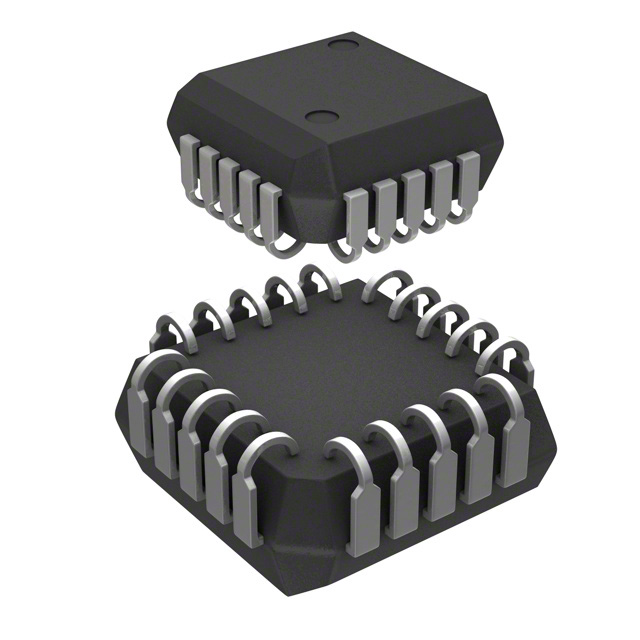
AT17LV002-10JC | Micrel / Microchip Technology | IC SRL CONFG EEPROM 2M LV 20PLCC | - | 0°C ~ 70°C | Tube | - | - | - | 20-LCC (J-Lead) | AT17LV002 | 20-PLCC (9x9) |

|
XC17S50ASO20C | Xilinx | IC PROM SER 50000 C-TEMP 20-SOIC | - | 0°C ~ 70°C | Tube | - | - | - | 20-SOIC (0.295", 7.50mm Width) | XC17S50A | 20-SOIC |
|
|
XC17S20XLVO8I | Xilinx | IC PROM PROG I-TEMP 3.3V 8-SOIC | - | -40°C ~ 85°C | Tube | - | - | - | 8-SOIC (0.154", 3.90mm Width) | XC17S20XL | 8-TSOP |

|
AT17LV002-10BJI | Micrel / Microchip Technology | IC SRL CONFIG EEPROM 2M 44-PLCC | - | -40°C ~ 85°C | Tube | - | - | - | 44-LCC (J-Lead) | AT17LV002 | 44-PLCC (16.59x16.59) |
|
|
AT17C256-10PI | Micrel / Microchip Technology | IC SERIAL CONFIG PROM 256K 8-DIP | - | -40°C ~ 85°C | Tube | - | - | - | 8-DIP (0.300", 7.62mm) | AT17C256 | 8-PDIP |
|
|
XC17S100AVO8C | Xilinx | IC PROM SER 10K 8-SOIC | - | 0°C ~ 70°C | Tube | - | - | - | 8-SOIC (0.154", 3.90mm Width) | XC17S100A | 8-TSOP |
|
|
XC17V02PC44C | Xilinx | IC PROM SER 2MBIT 3.3V 44-PLCC | - | 0°C ~ 70°C | Tube | - | - | - | 44-LCC (J-Lead) | XC17V02 | 44-PLCC (16.59x16.59) |
|
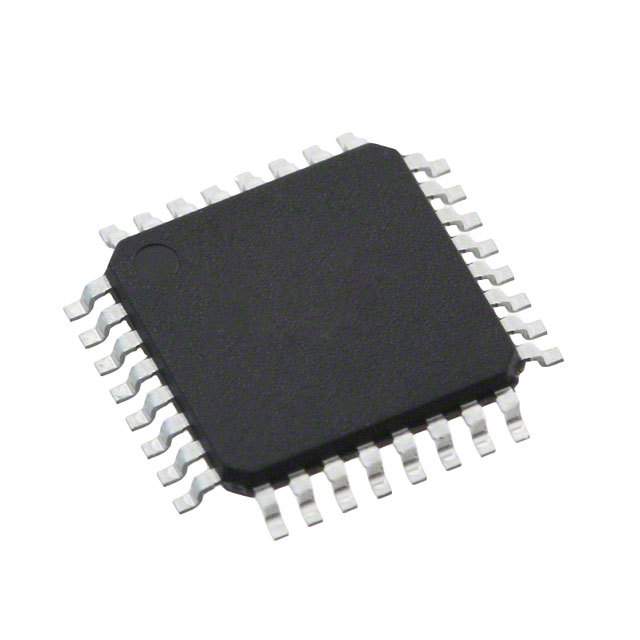
AT17F040A-30QI | Micrel / Microchip Technology | IC FLASH CONFIG 4M 32TQFP | - | -40°C ~ 85°C | Tray | - | - | - | 32-TQFP | AT17F040 | 32-TQFP (7x7) |
|
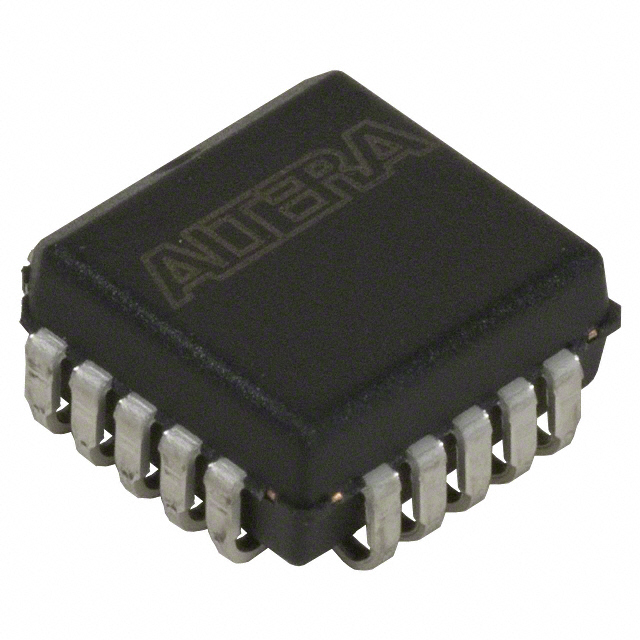
EPC1064LC20 | Altera (Intel® Programmable Solutions Group) | IC CONFIG DEVICE 20PLCC | EPC | 0°C ~ 70°C | Tray | - | - | - | 20-LCC (J-Lead) | EPC1064 | 20-PLCC (9x9) |
About Memory - Configuration Proms for FPGAs
Memory - Configuration PROMs are programmable read-only memory devices specifically designed to store configuration data for field-programmable gate arrays (FPGAs). These PROMs hold the configuration bitstream required to initialize the FPGA upon power-up or reset. Configuration PROMs offer non-volatile storage of FPGA configurations, enabling the device to maintain its programmed state even when power is removed. They provide a reliable and efficient solution for configuring FPGAs in various applications such as telecommunications, automotive electronics, and industrial control systems.