
Invent, Innovate, Integrate
- info@zenkaeurope.com
-
 English
English
English
 Deutsch
 Français
 Español
 Italiano
 中文
中文
 हिन्दी
 Lietuviškai
Manufacturer
Series
Operating Temperature
Packaging
Mounting Type
Voltage - Supply
Clear Filters
Loading products…
| Image | Part Number | Manufacturer | Description | Series | Operating Temperature | Packaging | Mounting Type | RoHS Status | Manufacturer Part Number | Type | Voltage - Supply | Output |
|---|---|---|---|---|---|---|---|---|---|---|---|---|
|
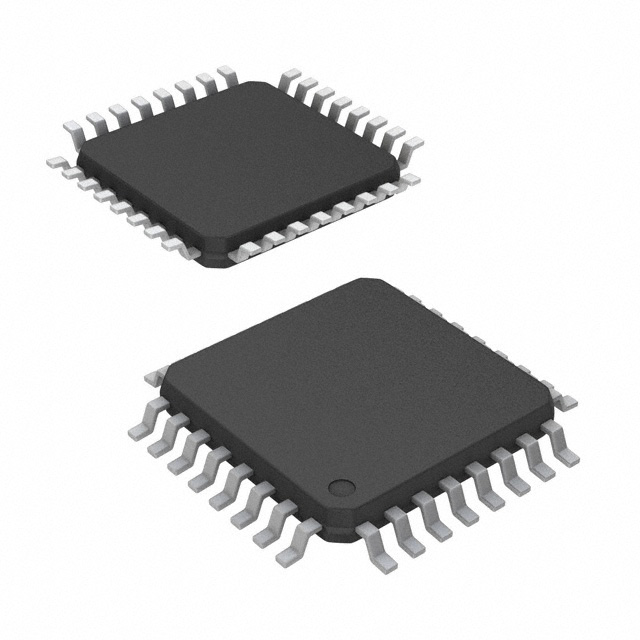
CY7C4231V-25AXC | Cypress Semiconductor | IC SYNC FIFO MEM 2KX9 32-TQFP | CY7C | 0°C ~ 70°C | Tray | Surface Mount | - | - | - | 3V ~ 3.6V | - |
|
|
SN74ALS229BDW | N/A | IC MEMORY 16X5 ASYNCH 20-SOIC | 74ALS | 0°C ~ 70°C | Tube | Surface Mount | - | - | - | 4.5V ~ 5.5V | - |

|
72V255LA10PF8 | IDT (Integrated Device Technology) | IC FIFO SS 8192X18 10NS 64-TQFP | 72V | 0°C ~ 70°C | Tape & Reel (TR) | Surface Mount | - | - | - | 3V ~ 3.6V | - |
|
|
72841L25PFI | IDT (Integrated Device Technology) | IC FIFO SYNC 4KX9 25NS 64QFP | 7200 | -40°C ~ 85°C | Tray | Surface Mount | - | - | - | 4.5V ~ 5.5V | - |
|
|
72V2103L6PF | IDT (Integrated Device Technology) | IC FIFO SUPERSYNCII 6NS 80-TQFP | 72V | 0°C ~ 70°C | Tray | Surface Mount | - | - | - | 3.15V ~ 3.45V | - |
|
|
SN74ALVC7814-25DL | N/A | IC 64X18 ASYNC FIFO MEM 56-SSOP | 74ALVC | 0°C ~ 70°C | Tube | Surface Mount | - | - | - | 3V ~ 3.6V | - |
|
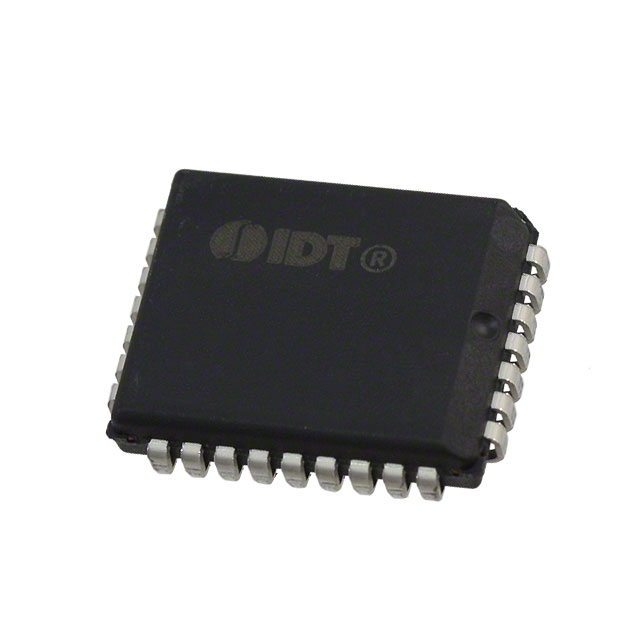
7200L12J | IDT (Integrated Device Technology) | IC MEM FIFO 256X9 12NS 32-PLCC | 7200 | 0°C ~ 70°C | Tube | Surface Mount | - | - | - | 4.5V ~ 5.5V | - |
|
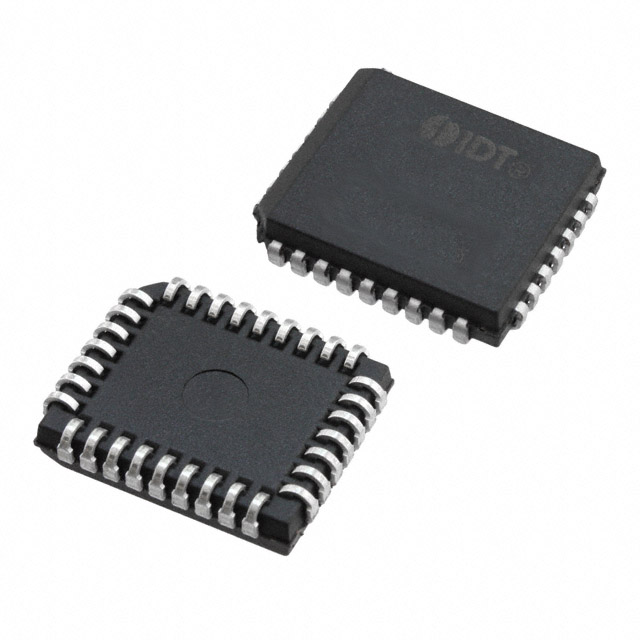
72V05L25JGI8 | IDT (Integrated Device Technology) | IC FIFO ASYNCH 4096X18 32PLCC | 72V | -40°C ~ 85°C | Tape & Reel (TR) | Surface Mount | - | - | - | 3V ~ 3.6V | - |
|
|
SN74ACT7804-25DL | N/A | IC STROBED FIFO 512X18 56-SSOP | 74ACT | 0°C ~ 70°C | Tube | Surface Mount | - | - | - | 4.5V ~ 5.5V | - |
|
|
723673L15PF | IDT (Integrated Device Technology) | IC FIFO SYNC 8192X36 128QFP | 7200 | 0°C ~ 70°C | Tray | Surface Mount | - | - | - | 4.5V ~ 5.5V | - |
About Logic - FIFOs Memory
FIFOs (First-In-First-Out) memory is a type of data storage device used to buffer data in digital systems. It stores data in a sequential manner, with the first data element written into the memory being the first to be read out. FIFOs help manage data flow between subsystems operating at different speeds or with asynchronous timing requirements. They are commonly used in communication interfaces, data processing systems, and digital signal processing applications to manage data transfer and mitigate timing issues.