
Invent, Innovate, Integrate
- info@zenkaeurope.com
-
 English
English
English
 Deutsch
 Français
 Español
 Italiano
 中文
中文
 हिन्दी
 Lietuviškai
Interface - I/O Expanders
Interface - I/O Expanders
- Products
- Integrated Circuits (ICs)
- Interface - I/O Expanders
Manufacturer
Series
Packaging
Mounting Type
Voltage - Supply
Package / Case
Base Part Number
Supplier Device Package
Clear Filters
Loading products…
| Image | Part Number | Manufacturer | Description | Series | Packaging | Mounting Type | Voltage - Supply | Package / Case | Base Part Number | Supplier Device Package | Data Format | Baud Rates |
|---|---|---|---|---|---|---|---|---|---|---|---|---|
|
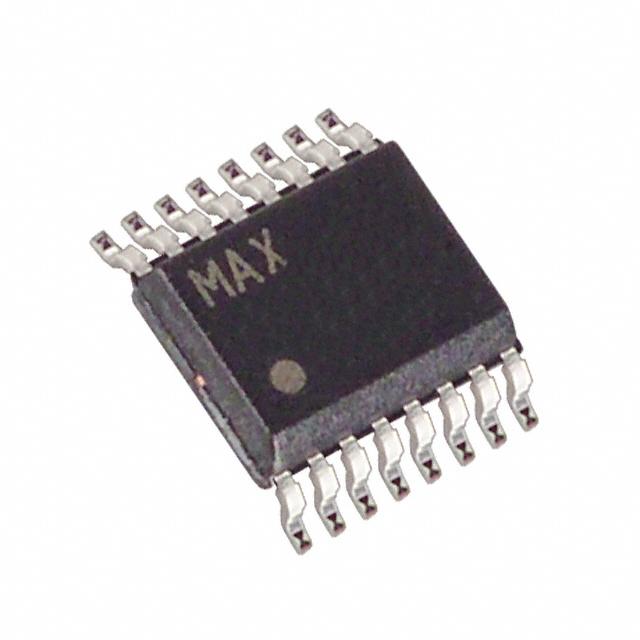
MAX7316AEE+T | Maxim Integrated | IC I/O EXPANDER I2C 16B 16QSOP | - | Tape & Reel (TR) | Surface Mount | 2 V ~ 3.6 V | 16-SSOP (0.154", 3.90mm Width) | MAX7316 | 16-QSOP | - | - |

|
IS31IO7325-QFLS4-TR | ISSI (Integrated Silicon Solution, Inc.) | IC MULTI-FUNCTION I/O DVR 24QFN | - | Tape & Reel (TR) | Surface Mount | 2.4 V ~ 5.5 V | 24-WFQFN Exposed Pad | - | 24-QFN (4x4) | - | - |
|
|
PCF8574APWRG4 | N/A | IC I/O EXPANDER I2C 8B 20TSSOP | - | Tape & Reel (TR) | Surface Mount | 2.5 V ~ 6 V | 20-TSSOP (0.173", 4.40mm Width) | PCF8574A | 20-TSSOP | - | - |

|
PCA9557BS,118 | NXP Semiconductors / Freescale | IC I/O EXPANDER I2C 8B 16HVQFN | - | Cut Tape (CT) | Surface Mount | 2.3 V ~ 5.5 V | 16-VQFN Exposed Pad | PCA9557 | 16-HVQFN (4x4) | - | - |
|
|
PCA9538PW/Q900,118 | NXP Semiconductors / Freescale | IC I2C BUS/SMBUS 8BIT 16TSSOP | - | Tape & Reel (TR) | Surface Mount | 2.3 V ~ 5.5 V | 16-TSSOP (0.173", 4.40mm Width) | PCA9538 | 16-TSSOP | - | - |

|
MCP23S08-E/SS | Micrel / Microchip Technology | IC I/O EXPANDER SPI 8B 20SSOP | - | Tube | Surface Mount | 1.8 V ~ 5.5 V | 20-SSOP (0.209", 5.30mm Width) | MCP23S08 | 20-SSOP | - | - |
|
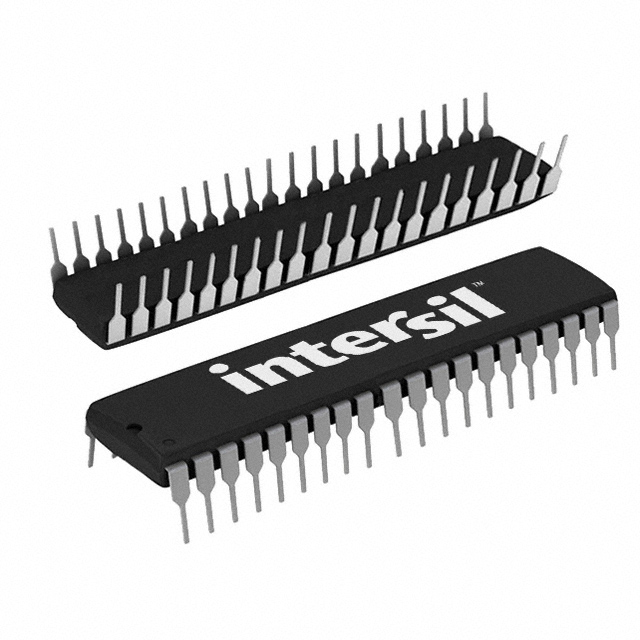
CP82C55A-5Z | Intersil | IC I/O EXPANDER 24B 40DIP | - | Tube | Through Hole | 4.5 V ~ 5.5 V | 40-DIP (0.600", 15.24mm) | 82C55A | 40-DIP | - | - |
|
|
PCA9555N,112 | NXP Semiconductors / Freescale | IC I/O EXPANDER I2C 16B 24DIP | - | Tube | Through Hole | 2.3 V ~ 5.5 V | 24-DIP (0.600", 15.24mm) | PCA9555 | 24-DIP | - | - |
|
|
MAX7317AEE+T | Maxim Integrated | IC I/O EXPANDER SPI 10B 16QSOP | - | Tape & Reel (TR) | Surface Mount | 2.25 V ~ 3.6 V | 16-SSOP (0.154", 3.90mm Width) | MAX7317 | 16-QSOP | - | - |
|
|
PCF8575DBR | N/A | IC I/O EXPANDER I2C 16B 24SSOP | - | Tape & Reel (TR) | Surface Mount | 2.5 V ~ 5.5 V | 24-SSOP (0.209", 5.30mm Width) | PCF8575 | 24-SSOP | - | - |
About Interface - I/O Expanders
I/O expanders are integrated circuits or modules used to increase the number of input and output (I/O) pins available to a microcontroller or other digital device. They typically use serial communication interfaces such as I2C or SPI to communicate with the host controller and provide additional GPIO (General Purpose Input/Output) pins for connecting sensors, actuators, and other peripherals. I/O expanders are commonly used in embedded systems, IoT (Internet of Things) devices, and industrial automation applications where the number of available I/O pins on the microcontroller is limited.