
Invent, Innovate, Integrate
- info@zenkaeurope.com
-
 English
English
English
 Deutsch
 Français
 Español
 Italiano
 中文
中文
 हिन्दी
 Lietuviškai
Embedded - CPLDs (Complex Programmable Logic Devices)
Embedded - CPLDs (Complex Programmable Logic Devices)
- Products
- Integrated Circuits (ICs)
- Embedded - CPLDs (Complex Programmable Logic Devices)
Manufacturer
Series
Operating Temperature
Packaging
Mounting Type
RoHS Status
Manufacturer Part Number
Package / Case
Clear Filters
Loading products…
| Image | Part Number | Manufacturer | Description | Series | Operating Temperature | Packaging | Mounting Type | RoHS Status | Manufacturer Part Number | Type | Lead Free Status | Package / Case |
|---|---|---|---|---|---|---|---|---|---|---|---|---|

|
M5LV-320/160-7YI | Lattice Semiconductor | IC CPLD 320MC 7.5NS 208QFP | MACH® 5 | -40°C ~ 85°C (TA) | Tray | Surface Mount | - | - | - | - | 208-BFQFP |
|
|
LC4064B-25T48C | Lattice Semiconductor | IC CPLD 64MC 2.5NS 48TQFP | ispMACH® 4000B | 0°C ~ 90°C (TJ) | Tray | Surface Mount | - | - | - | - | 48-LQFP |
|
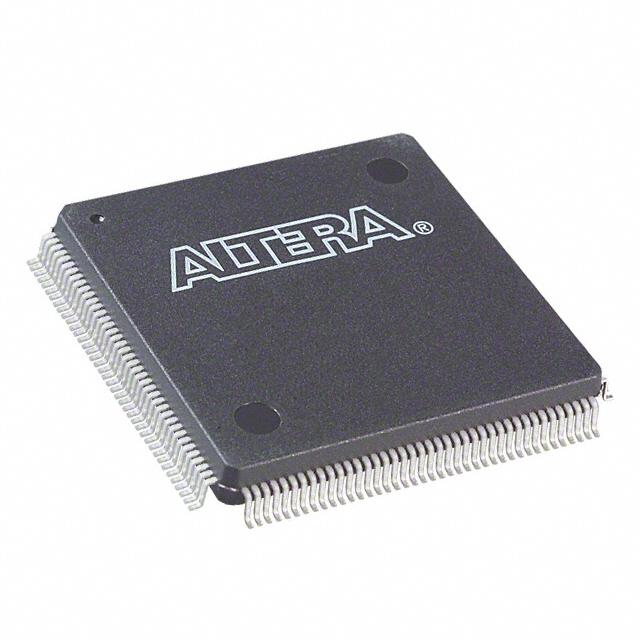
EPM7128SQC160-15F | Altera (Intel® Programmable Solutions Group) | IC CPLD 128MC 15NS 160QFP | MAX® 7000S | 0°C ~ 70°C (TA) | Tray | Surface Mount | - | - | - | - | 160-BQFP |
|
|
LC4128V-75T100I | Lattice Semiconductor | IC CPLD 128MC 7.5NS 100TQFP | ispMACH® 4000V | -40°C ~ 105°C (TJ) | Tray | Surface Mount | - | - | - | - | 100-LQFP |

|
XCR3384XL-7TQG144C | Xilinx | IC CPLD 384MC 7NS 144QFP | CoolRunner XPLA3 | 0°C ~ 70°C (TA) | Tray | Surface Mount | - | - | - | - | 144-LQFP |
|
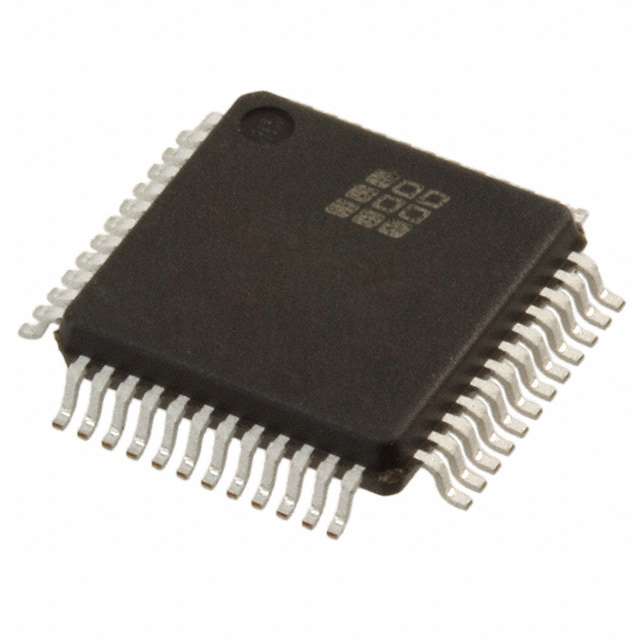
ISPLSI 2032A-150LT48 | Lattice Semiconductor | IC CPLD 32MC 5.5NS 48TQFP | ispLSI® 2000A | 0°C ~ 70°C (TA) | Tray | Surface Mount | - | - | - | - | 48-LQFP |
|
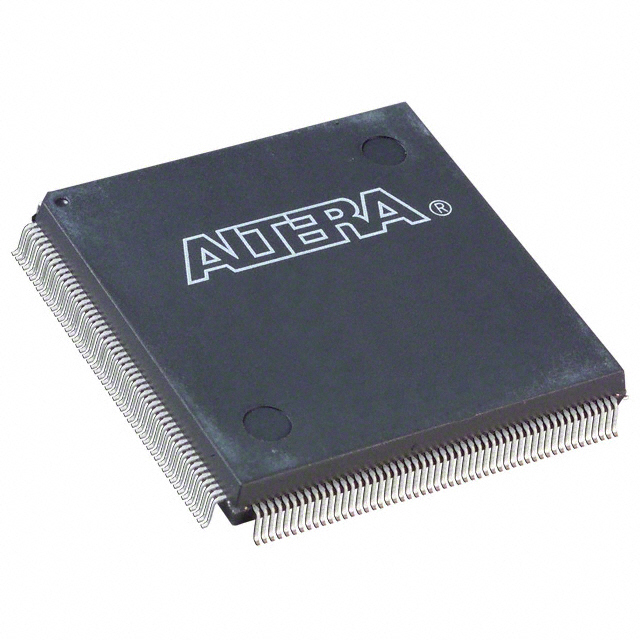
EPM7256SQC208-15 | Altera (Intel® Programmable Solutions Group) | IC CPLD 256MC 15NS 208QFP | MAX® 7000S | 0°C ~ 70°C (TA) | Tray | Surface Mount | - | - | - | - | 208-BFQFP |
|
|
LC4064B-5T44C | Lattice Semiconductor | IC CPLD 64MC 5NS 44TQFP | ispMACH® 4000B | 0°C ~ 90°C (TJ) | Tray | Surface Mount | - | - | - | - | 44-TQFP |

|
ATF1508AS-15QC160 | Micrel / Microchip Technology | IC CPLD 128MC 15NS 160QFP | ATF15xx | 0°C ~ 70°C (TA) | Tray | Surface Mount | - | - | - | - | 160-BQFP |
|
|
LC4512C-75FT256C | Lattice Semiconductor | IC CPLD 512MC 7.5NS 256FTBG | ispMACH® 4000C | 0°C ~ 90°C (TJ) | Tray | Surface Mount | - | - | - | - | 256-LBGA |
About Embedded - CPLDs (Complex Programmable Logic Devices)
CPLDs are programmable logic devices that contain configurable logic blocks and interconnects similar to FPGAs but with a smaller capacity and simpler architecture. CPLDs are often used in applications requiring glue logic, interface bridging, and simple state machine implementations. They offer advantages such as fast design turnaround, low power consumption, and predictable timing characteristics, making them suitable for a wide range of embedded system designs.