
Invent, Innovate, Integrate
- info@zenkaeurope.com
-
 English
English
English
 Deutsch
 Français
 Español
 Italiano
 中文
中文
 हिन्दी
 Lietuviškai
-
Switches
- Selector Switches
- Snap Action, Limit Switches
- Pushbutton Switches
- Slide Switches
- Rotary Switches
- Rocker Switches
- Pushbutton Switches - Hall Effect
- Programmable Display Switches
- Navigation Switches, Joystick
- Accessories
- Magnetic, Reed Switches
- Keypad Switches
- Configurable Switch Components - Lens
- DIP Switches
- Keylock Switches
- Configurable Switch Components - Contact Block
- Configurable Switch Components - Illumination Source
- Accessories - Boots, Seals
- Configurable Switch Components - Body
- Accessories - Caps
- Toggle Switches
- Cable Pull Switches
- Thumbwheel Switches
- Tactile Switches
-
Sensors, Transducers
- Optical Sensors - Photo Detectors - Logic Output
- Optical Sensors - Photo Detectors - CdS Cells
- Sensor Interface - Junction Blocks
- Ultrasonic Receivers, Transmitters
- Optical Sensors - Photoelectric, Industrial
- Proximity/Occupancy Sensors - Finished Units
- Sensor Cable - Assemblies
- Sensor Cable - Accessories
- Optical Sensors - Photo Detectors - Remote Receiver
- Motion Sensors - Tilt Switches
- Proximity Sensors
- Optical Sensors - Photodiodes
- Touch Sensors
- Multifunction
- Motion Sensors - Vibration
- Temperature Sensors - Thermostats - Solid State
- Motion Sensors - Inclinometers
- Pressure Sensors, Transducers
- Temperature Sensors - Thermostats - Mechanical
- Motion Sensors - Gyroscopes
- Motion Sensors - Accelerometers
- Magnets - Sensor Matched
- Magnets - Multi Purpose
- Temperature Sensors - PTC Thermistors
- Temperature Sensors - RTD (Resistance Temperature Detector)
- Temperature Sensors - NTC Thermistors
- Magnetic Sensors - Compass, Magnetic Field (Modules)
- Optical Sensors - Distance Measuring
- Magnetic Sensors - Linear, Compass (ICs)
- LVDT Transducers (Linear Variable Differential Transformer)
- IrDA Transceiver Modules
- Image Sensors, Camera
- Humidity, Moisture Sensors
- Gas Sensors
- Force Sensors
- Flow Sensors
- Float, Level Sensors
- Solar Cells
- Shock Sensors
- Color Sensors
- Amplifiers
- Position Sensors - Angle, Linear Position Measuring
- Optical Sensors - Reflective - Logic Output
- Optical Sensors - Reflective - Analog Output
- Optical Sensors - Phototransistors
- Optical Sensors - Photointerrupters - Slot Type - Transistor Output
- Optical Sensors - Photointerrupters - Slot Type - Logic Output
- Optical Sensors - Ambient Light, IR, UV Sensors
- Motion Sensors - Optical
- Magnetic Sensors - Switches (Solid State)
- Motion Sensors - IMUs (Inertial Measurement Units)
- Temperature Sensors - Thermocouple, Temperature Probes
- Magnetic Sensors - Position, Proximity, Speed (Modules)
- Specialized Sensors
- Temperature Sensors - Analog and Digital Output
- Encoders
- Strain Gauges
- Dust Sensors
- Accessories
- Current Transducers
-
RF/IF and RFID
- RF Switches
- RFID Antennas
- RF Transceiver ICs
- RF Diplexers
- RF Transmitters
- RF Shields
- RFID Accessories
- RF Power Dividers/Splitters
- RF Modulators
- RF Mixers
- RF Power Controller ICs
- RF Misc ICs and Modules
- RF Front End (LNA + PA)
- RF Evaluation and Development Kits, Boards
- RF Demodulators
- RF Directional Coupler
- RFID Transponders, Tags
- RFID Reader Modules
- RFID Evaluation and Development Kits, Boards
- RF Detectors
- RFI and EMI - Shielding and Absorbing Materials
- RF Antennas
- RFI and EMI - Contacts, Fingerstock and Gaskets
- Balun
- Attenuators
- RF Transceiver Modules
- RF Receivers
- RF Receiver, Transmitter, and Transceiver Finished Units
- RFID, RF Access, Monitoring ICs
- RF Amplifiers
- RF Accessories
- Relays
- Power Supplies - External/Internal (Off-Board)
- Power Supplies - Board Mount
-
Optoelectronics
- LEDs - Lamp Replacements
- LEDs - Circuit Board Indicators, Arrays, Light Bars, Bar Graphs
- Fiber Optics - Transmitters - Drive Circuitry Integrated
- Laser Diodes, Modules - Accessories
- Xenon Lighting
- Touch Screen Overlays
- Optics - Remote Phosphor Light Source
- Panel Indicators, Pilot Lights
- Optics - Light Pipes
- Optics - Lenses
- LED Lighting Kits
- LEDs - Spacers, Standoffs
- LED Thermal Products
- LED Lighting - White
- LED Indication - Discrete
- LED Lighting - Color
- Lamps - Incandescents, Neons
- Lamps - Cold Cathode Fluorescent (CCFL) & UV
- Inverters
- Infrared, UV, Visible Emitters
- Fiber Optics - Transceiver Modules
- Fiber Optics - Switches, Multiplexers, Demultiplexers
- Fiber Optics - Receivers
- Fiber Optics - Attenuators
- Electroluminescent
- Display Modules - Vacuum Fluorescent (VFD)
- Display Modules - LED Dot Matrix and Cluster
- Display Modules - LED Character and Numeric
- Addressable, Specialty
- Display Modules - LCD, OLED, Graphic
- Display, Monitor - Interface Controller
- LED Lighting - COBs, Engines, Modules
- Optics - Reflectors
- Laser Diodes, Modules
- Display Modules - LCD, OLED Character and Numeric
- Accessories
- Fiber Optics - Transmitters - Discrete
- Display Bezels, Lenses
- Isolators
-
Integrated Circuits (ICs)
- Logic - Parity Generators and Checkers
- PMIC - Current Regulation/Management
- Memory - Controllers
- Logic - FIFOs Memory
- Linear - Analog Multipliers, Dividers
- Embedded - System On Chip (SoC)
- Embedded - DSP (Digital Signal Processors)
- Linear - Amplifiers - Instrumentation, OP Amps, Buffer Amps
- Interface - Sensor and Detector Interfaces
- Logic - Latches
- PMIC - Hot Swap Controllers
- PMIC - Gate Drivers
- Interface - Sensor, Capacitive Touch
- Specialized ICs
- PMIC - Voltage Regulators - Special Purpose
- PMIC - Voltage Regulators - Linear Regulator Controllers
- PMIC - Voltage Regulators - Linear + Switching
- PMIC - Voltage Regulators - Linear
- PMIC - Voltage Regulators - DC DC Switching Regulators
- PMIC - Voltage Regulators - DC DC Switching Controllers
- PMIC - Voltage Reference
- PMIC - Thermal Management
- PMIC - Supervisors
- PMIC - V/F and F/V Converters
- PMIC - RMS to DC Converters
- PMIC - Power Supply Controllers, Monitors
- PMIC - Power Over Ethernet (PoE) Controllers
- PMIC - Power Management - Specialized
- PMIC - Power Distribution Switches, Load Drivers
- PMIC - PFC (Power Factor Correction)
- PMIC - OR Controllers, Ideal Diodes
- PMIC - Motor Drivers, Controllers
- PMIC - Lighting, Ballast Controllers
- PMIC - LED Drivers
- PMIC - Laser Drivers
- PMIC - Full, Half-Bridge Drivers
- PMIC - Energy Metering
- PMIC - Display Drivers
- PMIC - Battery Management
- PMIC - Battery Chargers
- PMIC - AC DC Converters, Offline Switchers
- Memory - Configuration Proms for FPGAs
- Memory
- Memory - Batteries
- Logic - Universal Bus Functions
- Logic - Translators, Level Shifters
- Logic - Specialty Logic
- Logic - Signal Switches, Multiplexers, Decoders
- Logic - Shift Registers
- Logic - Multivibrators
- Logic - Gates and Inverters - Multi-Function, Configurable
- Logic - Gates and Inverters
- Logic - Flip Flops
- Logic - Counters, Dividers
- Logic - Comparators
- Logic - Buffers, Drivers, Receivers, Transceivers
- Linear - Video Processing
- Linear - Comparators
- Linear - Amplifiers - Video Amps and Modules
- Linear - Amplifiers - Special Purpose
- Linear - Amplifiers - Audio
- Interface - Voice Record and Playback
- Interface - UARTs (Universal Asynchronous Receiver Transmitter)
- Interface - Telecom
- Interface - Specialized
- Interface - Signal Terminators
- Interface - Signal Buffers, Repeaters, Splitters
- Embedded - CPLDs (Complex Programmable Logic Devices)
- Interface - Serializers, Deserializers
- Interface - Modules
- Interface - Modems - ICs and Modules
- Interface - I/O Expanders
- Interface - Filters - Active
- Interface - Encoders, Decoders, Converters
- Interface - Drivers, Receivers, Transceivers
- Interface - Controllers
- Interface - CODECs
- Interface - Analog Switches, Multiplexers, Demultiplexers
- Interface - Analog Switches - Special Purpose
- Embedded - PLDs (Programmable Logic Device)
- Embedded - Microprocessors
- Interface - Direct Digital Synthesis (DDS)
- Embedded - Microcontrollers - Application Specific
- Embedded - Microcontrollers
- Embedded - Microcontroller, Microprocessor, FPGA Modules
- Embedded - FPGAs (Field Programmable Gate Array)
- Embedded - FPGAs (Field Programmable Gate Array) with Microcontrollers
- Clock/Timing - Application Specific
- Data Acquisition - Touch Screen Controllers
- Data Acquisition - Digital to Analog Converters (DAC)
- Data Acquisition - Digital Potentiometers
- Data Acquisition - Analog to Digital Converters (ADC)
- Data Acquisition - Analog Front End (AFE)
- Data Acquisition - ADCs/DACs - Special Purpose
- Clock/Timing - Real Time Clocks
- Clock/Timing - Programmable Timers and Oscillators
- Clock/Timing - Delay Lines
- Clock/Timing - Clock Generators, PLLs, Frequency Synthesizers
- Clock/Timing - IC Batteries
- Clock/Timing - Clock Buffers, Drivers
- Audio Special Purpose
-
Discrete Semiconductor Products
- Transistors - Bipolar (BJT) - Single
- Transistors - IGBTs - Modules
- Transistors - Special Purpose
- Transistors - JFETs
- Transistors - IGBTs - Single
- Transistors - IGBTs - Arrays
- Transistors - FETs, MOSFETs - Single
- Transistors - Programmable Unijunction
- Transistors - FETs, MOSFETs - RF
- Transistors - FETs, MOSFETs - Arrays
- Transistors - Bipolar (BJT) - Single, Pre-Biased
- Transistors - Bipolar (BJT) - RF
- Transistors - Bipolar (BJT) - Arrays, Pre-Biased
- Transistors - Bipolar (BJT) - Arrays
- Thyristors - TRIACs
- Thyristors - SCRs - Modules
- Thyristors - SCRs
- Thyristors - DIACs, SIDACs
- Power Driver Modules
- Diodes - Zener - Single
- Diodes - Zener - Arrays
- Diodes - Variable Capacitance (Varicaps, Varactors)
- Diodes - RF
- Diodes - Rectifiers - Single
- Diodes - Rectifiers - Arrays
- Diodes - Bridge Rectifiers
-
Connectors, Interconnects
- Modular Connectors - Plugs
- Modular Connectors - Jacks
- Modular Connectors - Adapters
- Terminals - Spade Connectors
- Modular Connectors - Jacks With Magnetics
- Modular Connectors - Plug Housings
- USB, DVI, HDMI Connectors - Adapters
- USB, DVI, HDMI Connectors - Accessories
- USB, DVI, HDMI Connectors
- Terminals - Wire Splice Connectors
- Terminals - Wire Pin Connectors
- Terminals - Turret Connectors
- Terminals - Specialized Connectors
- Terminals - Screw Connectors
- Terminals - Ring Connectors
- Terminals - Wire to Board Connectors
- Terminals - Rectangular Connectors
- Terminals - Quick Connects, Quick Disconnect Connectors
- Terminals - PC Pin, Single Post Connectors
- Terminals - PC Pin Receptacles, Socket Connectors
- Terminals - Magnetic Wire Connectors
- Terminals - Housings, Boots
- Terminals - Foil Connectors
- Terminals - Barrel, Bullet Connectors
- Terminals - Adapters
- Terminal Strips and Turret Boards
- Terminal Junction Systems
- Terminal Blocks - Wire to Board
- Terminals - Solder Lug Connectors
- Terminal Blocks - Specialized
- Terminal Blocks - Power Distribution
- Terminal Blocks - Panel Mount
- Terminal Blocks - Interface Modules
- Terminal Blocks - Headers, Plugs and Sockets
- Terminals - Knife Connectors
- Terminals - Accessories
- Terminal Blocks - Din Rail, Channel
- Terminal Blocks - Barrier Blocks
- Terminal Blocks - Contacts
- Terminal Blocks - Adapters
- Terminal Blocks - Accessories - Wire Ferrules
- Terminal Blocks - Accessories - Marker Strips
- Terminal Blocks - Accessories - Jumpers
- Terminal Blocks - Accessories
- Solid State Lighting Connectors - Accessories
- Solid State Lighting Connectors
- Sockets for ICs, Transistors - Adapters
- Sockets for ICs, Transistors
- Solid State Lighting Connectors - Contacts
- Sockets for ICs, Transistors - Accessories
- Shunts, Jumpers
- Rectangular Connectors - Spring Loaded
- Rectangular Connectors - Housings
- Rectangular Connectors - Headers, Specialty Pin
- Rectangular Connectors - Headers, Receptacles, Female Sockets
- Rectangular Connectors - Headers, Male Pins
- Rectangular Connectors - Free Hanging, Panel Mount
- Rectangular Connectors - Contacts
- Rectangular Connectors - Board In, Direct Wire to Board
- Rectangular Connectors - Adapters
- Rectangular Connectors - Accessories
- Rectangular Connectors - Board Spacers, Stackers (Board to Board)
- Rectangular - Board to Board Connectors - Headers, Receptacles, Female Sockets
- Rectangular - Board to Board Connectors - Headers, Male Pins
- Rectangular Connectors - Arrays, Edge Type, Mezzanine (Board to Board)
- Power Entry Connectors - Inlets, Outlets, Modules
- Power Entry Connectors - Accessories
- Pluggable Connectors - Accessories
- Pluggable Connectors
- Photovoltaic (Solar Panel) Connectors - Accessories
- Photovoltaic (Solar Panel) Connectors
- Modular Connectors - Wiring Blocks
- Modular Connectors - Accessories
- Memory Connectors - PC Card Sockets
- Memory Connectors - Inline Module Sockets
- Memory Connectors - Accessories
- LGH Connectors
- Keystone - Inserts
- Keystone - Faceplates, Frames
- Keystone - Accessories
- Heavy Duty Connectors - Inserts, Modules
- Heavy Duty Connectors - Housings, Hoods, Bases
- Heavy Duty Connectors - Frames
- Heavy Duty Connectors - Contacts
- Heavy Duty Connectors - Assemblies
- Heavy Duty Connectors - Accessories
- Fiber Optic Connectors - Housings
- Fiber Optic Connectors - Adapters
- Fiber Optic Connectors - Accessories
- Fiber Optic Connectors
- FFC, FPC (Flat Flexible) Connectors - Housings
- FFC, FPC (Flat Flexible) Connectors - Accessories
- FFC, FPC (Flat Flexible) Connectors
- FFC, FPC (Flat Flexible) Connectors - Contacts
- Memory Connectors - PC Cards - Adapters
- D-Sub, D-Shaped Connectors - Housings
- D-Sub, D-Shaped Connectors - Contacts
- D-Sub, D-Shaped Connectors - Backshells, Hoods
- D-Sub, D-Shaped Connectors - Adapters
- D-Sub, D-Shaped Connectors - Accessories - Jackscrews
- D-Sub, D-Shaped Connectors - Accessories
- D-Sub, D-Shaped Connectors - Terminators
- D-Sub Connectors
- Photovoltaic (Solar Panel) Connectors - Contacts
- Modular Connectors - Wiring Blocks - Accessories
- D-Shaped Connectors - Centronics
- Contacts, Spring Loaded and Pressure
- Contacts - Multi Purpose
- Coaxial Connectors (RF) - Terminators
- Coaxial Connectors (RF) - Contacts
- Coaxial Connectors (RF) - Adapters
- Coaxial Connectors (RF) - Accessories
- Coaxial Connectors (RF)
- Contacts - Leadframe
- Circular Connectors - Housings
- Circular Connectors - Contacts
- Circular Connectors - Backshells and Cable Clamps
- Circular Connectors - Adapters
- Circular Connectors - Accessories
- Circular Connectors
- Card Edge Connectors - Housings
- Card Edge Connectors - Edgeboard Connectors
- Card Edge Connectors - Contacts
- Card Edge Connectors - Accessories
- Blade Type Power Connectors - Housings
- Blade Type Power Connectors - Contacts
- Blade Type Power Connectors - Accessories
- Blade Type Power Connectors
- Between Series Adapters
- Barrel - Power Connectors
- Barrel - Audio Connectors
- Banana and Tip Connectors - Jacks, Plugs
- Banana and Tip Connectors - Binding Posts
- Banana and Tip Connectors - Accessories
- Backplane Connectors - Specialized
- Card Edge Connectors - Adapters
- Backplane Connectors - Housings
- Barrel - Accessories
- Backplane Connectors - Hard Metric, Standard
- Banana and Tip Connectors - Adapters
- Backplane Connectors - DIN 41612
- Backplane Connectors - Contacts
- Backplane Connectors - ARINC
- Backplane Connectors - Accessories
- Barrel - Audio Adapters
- Backplane Connectors - ARINC Inserts
-
Circuit Protection
- Lighting Protection
- Accessories
- TVS - Varistors, MOVs
- TVS - Thyristors
- TVS - Mixed Technology
- TVS - Diodes
- Thermal Cutoffs (Thermal Fuses)
- Surge Suppression ICs
- PTC Resettable Fuses
- Inrush Current Limiters (ICL)
- Ground Fault Circuit Interrupter (GFCI)
- Gas Discharge Tube Arresters (GDT)
- Fuses
- Fuseholders
- Electrical, Specialty Fuses
- Disconnect Switch Components
- Circuit Breakers
-
Capacitors
- Accessories
- Trimmers, Variable Capacitors
- Thin Film Capacitors
- Tantalum Capacitors
- Tantalum - Polymer Capacitors
- Silicon Capacitors
- Niobium Oxide Capacitors
- Mica and PTFE Capacitors
- Film Capacitors
- Electric Double Layer Capacitors (EDLC), Supercapacitors
- Ceramic Capacitors
- Capacitor Networks, Arrays
- Aluminum Electrolytic Capacitors
- Aluminum - Polymer Capacitors
Data Acquisition - Digital Potentiometers
Data Acquisition - Digital Potentiometers
- Products
- Integrated Circuits (ICs)
- Data Acquisition - Digital Potentiometers
Manufacturer
Series
Operating Temperature
Packaging
RoHS Status
Manufacturer Part Number
Package / Case
Polarization
Clear Filters
Loading products…
| Image | Part Number | Manufacturer | Description | Series | Operating Temperature | Packaging | Mounting Type | RoHS Status | Manufacturer Part Number | Output Type | Package / Case | Polarization |
|---|---|---|---|---|---|---|---|---|---|---|---|---|

|
MAX5410ETE+ | Maxim Integrated | IC POT DGTL DUAL AUDIO 16-TQFN | - | -40°C ~ 85°C | Tube | - | - | - | - | 16-WQFN Exposed Pad | - |

|
X9428WV14Z-2.7 | Intersil | IC DGTL POT 10K 1CH 14TSSOP | XDCP™ | 0°C ~ 70°C | Tube | - | - | - | - | 14-TSSOP (0.173", 4.40mm Width) | - |

|
MCP4461T-103E/ML | Micrel / Microchip Technology | IC DGTL POT 257TAPS 10K 20QFN | WiperLock™ | -40°C ~ 125°C | Tape & Reel (TR) | - | - | - | - | 20-VFQFN Exposed Pad | - |
|
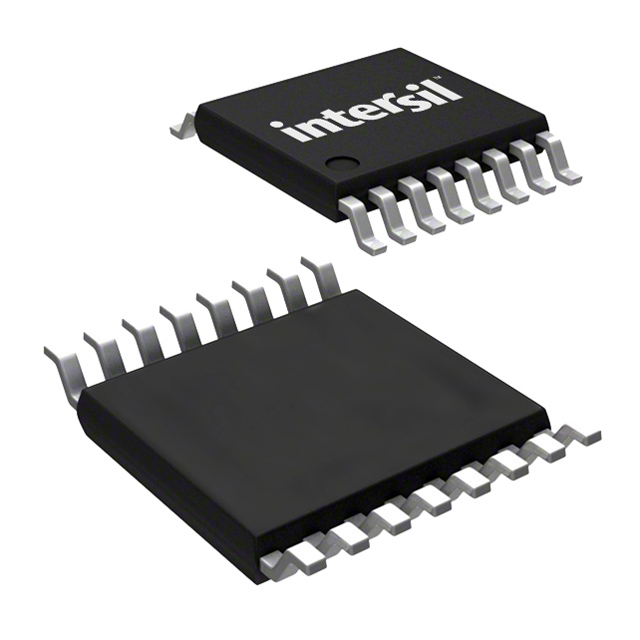
X9421WS16IZ-2.7T1 | Intersil | IC POT DGTL SGL 10K OHM 16-SOIC | XDCP™ | -40°C ~ 85°C | Tape & Reel (TR) | - | - | - | - | 16-SOIC (0.295", 7.50mm Width) | - |

|
X9251UV24I-2.7 | Intersil | IC XDCP QUAD 256TAP 50K 24-TSSOP | XDCP™ | -40°C ~ 85°C | Tube | - | - | - | - | 24-TSSOP (0.173", 4.40mm Width) | - |
|
|
X9271UV14I | Intersil | IC XDCP SGL 256TAP 50K 14-TSSOP | XDCP™ | -40°C ~ 85°C | Tube | - | - | - | - | 14-TSSOP (0.173", 4.40mm Width) | - |

|
DS1804-100+ | Maxim Integrated | IC POT TRIMMER NV 100K 8-DIP | - | -40°C ~ 85°C | Tube | - | - | - | - | 8-DIP (0.300", 7.62mm) | - |
|
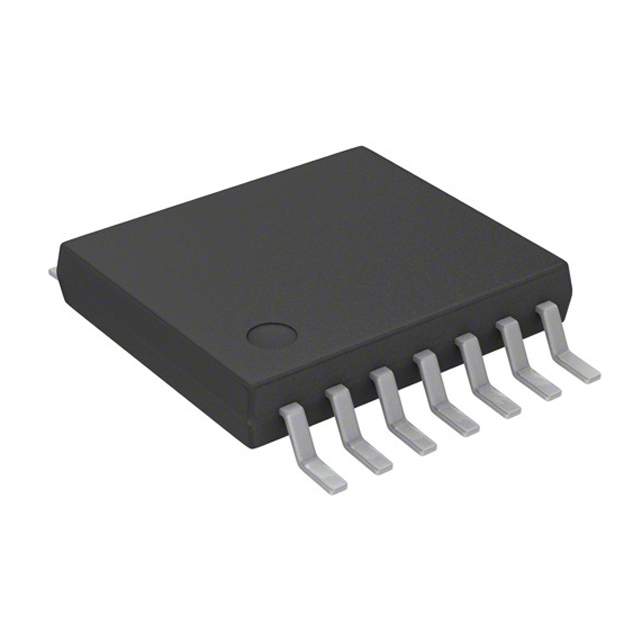
MCP4231-104E/ST | Micrel / Microchip Technology | IC DGTL POT DL 100K 2CH 14-TSSOP | - | -40°C ~ 125°C | Tube | - | - | - | - | 14-TSSOP (0.173", 4.40mm Width) | - |
|
|
X9418WS24-2.7T1 | Intersil | IC XDCP DUAL 64-TAP 10K 24-SOIC | XDCP™ | 0°C ~ 70°C | Tape & Reel (TR) | - | - | - | - | 24-SOIC (0.295", 7.50mm Width) | - |

|
X9315TMI-2.7 | Intersil | IC XDCP 32-TAP 100K 3WIRE 8-MSOP | XDCP™ | -40°C ~ 85°C | Tube | - | - | - | - | 8-TSSOP, 8-MSOP (0.118", 3.00mm Width) | - |
About Data Acquisition - Digital Potentiometers
Digital potentiometers, also known as digital potentiometer ICs or digital trimmers, are integrated circuits that emulate the behavior of traditional mechanical potentiometers in electronic circuits. They provide digitally controlled resistance adjustments and are used in applications such as volume controls, voltage regulation, and sensor calibration. Digital potentiometers offer advantages such as remote controllability, precision, and reliability compared to their mechanical counterparts.