
Invent, Innovate, Integrate
- info@zenkaeurope.com
-
 English
English
English
 Deutsch
 Français
 Español
 Italiano
 中文
中文
 हिन्दी
 Lietuviškai
Data Acquisition - Analog to Digital Converters (ADC)
Data Acquisition - Analog to Digital Converters (ADC)
- Products
- Integrated Circuits (ICs)
- Data Acquisition - Analog to Digital Converters (ADC)
Manufacturer
Series
Operating Temperature
Features
Packaging
RoHS Status
Manufacturer Part Number
Contact Finish
Clear Filters
Loading products…
| Image | Part Number | Manufacturer | Description | Series | Operating Temperature | Features | Packaging | RoHS Status | Manufacturer Part Number | Contact Finish | Voltage - Supply | Shell Style |
|---|---|---|---|---|---|---|---|---|---|---|---|---|
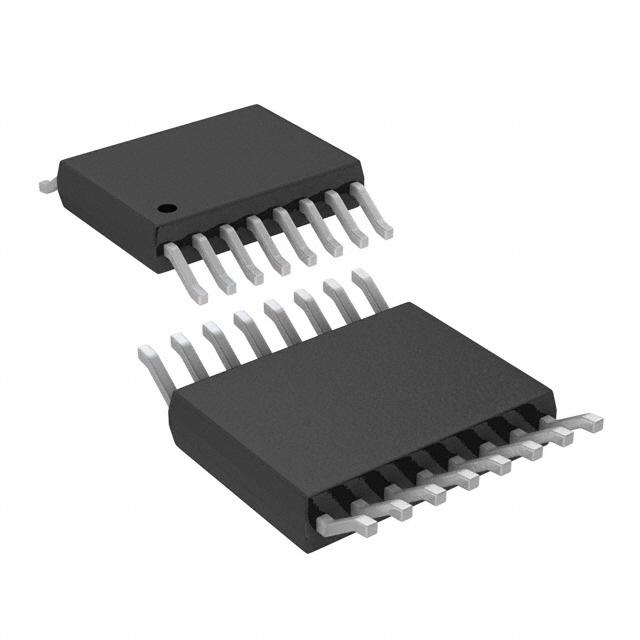
|
LTC2382IMS-16#PBF | ADI (Analog Devices, Inc.) | IC ADC 16BIT 1CH 500KSPS 16-MSOP | - | -40°C ~ 85°C | - | Tube | - | - | - | - | - |
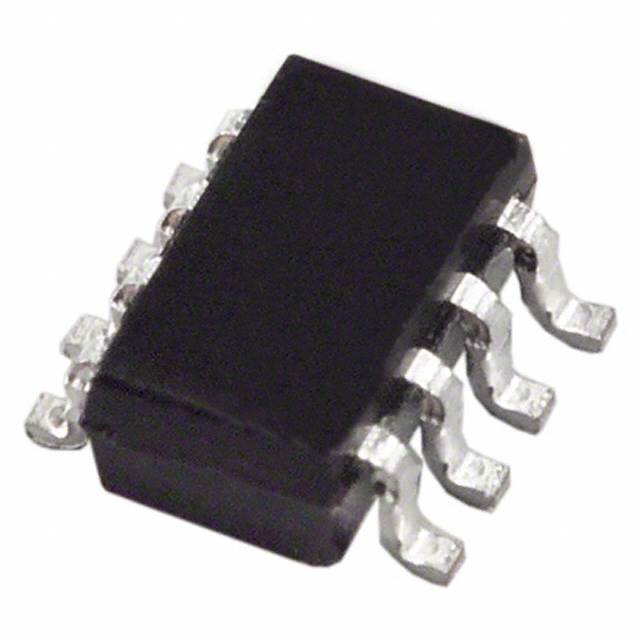
|
AD7991YRJZ-1500RL7 | ADI (Analog Devices, Inc.) | IC ADC 12BIT 4CH SAR I2C SOT23-8 | - | -40°C ~ 125°C | - | Original-Reel® | - | - | - | - | - |

|
LTC2408CG#TRPBF | ADI (Analog Devices, Inc.) | IC A/D CONV 24BIT 8-CHAN 28-SSOP | microPOWER™ | 0°C ~ 70°C | - | Tape & Reel (TR) | - | - | - | - | - |
|
|
ADC101S051CISDX/NOPB | N/A | ADC 10BIT 1CH 500KSPS 6WSON | - | -40°C ~ 85°C | - | Tape & Reel (TR) | - | - | - | - | - |
|
|
ADS7851IRTER | N/A | IC ADC 14BIT 1.5MSPS 16WQFN | - | -40°C ~ 125°C | Simultaneous Sampling | Original-Reel® | - | - | - | - | - |
|
|
ADS62P43IRGCR | N/A | IC ADC 14BIT SRL/PAR 80M 64VQFN | - | -40°C ~ 85°C | Simultaneous Sampling | Tape & Reel (TR) | - | - | - | - | - |

|
MAX11040GUU+ | Maxim Integrated | IC ADC 24BIT 4CH 38-TSSOP | - | -40°C ~ 105°C | Simultaneous Sampling | Tube | - | - | - | - | - |
|
|
ADC3224IRGZ25 | N/A | ADC 12BIT 2CH 125MSPS 48VQFN | - | -40°C ~ 85°C | Simultaneous Sampling | Tray | - | - | - | - | - |
|
|
TLV1504IDRG4 | N/A | IC 10BIT 200KSPS AD S/O 16-SOIC | - | -40°C ~ 85°C | - | Tape & Reel (TR) | - | - | - | - | - |

|
ISL26315FVZ-T7A | Intersil | IC ADC 12BIT SRL/SPI 16TSSOP | - | -40°C ~ 125°C | - | Cut Tape (CT) | - | - | - | - | - |
About Data Acquisition - Analog to Digital Converters (ADC)
Analog to digital converters (ADCs) are electronic devices that convert continuous analog signals into digital representations suitable for processing by digital systems. They are essential components in data acquisition systems, sensors, instrumentation, and communication devices where analog signals need to be digitized for analysis, storage, or transmission. ADCs vary in resolution, speed, accuracy, and input voltage range, allowing designers to select the appropriate device based on the application's requirements.