
Invent, Innovate, Integrate
- info@zenkaeurope.com
-
 English
English
English
 Deutsch
 Français
 Español
 Italiano
 中文
中文
 हिन्दी
 Lietuviškai
Clock/Timing - Real Time Clocks
Clock/Timing - Real Time Clocks
- Products
- Integrated Circuits (ICs)
- Clock/Timing - Real Time Clocks
Manufacturer
Series
Operating Temperature
Packaging
Mounting Type
RoHS Status
Manufacturer Part Number
Type
Voltage - Supply
Shell Style
Clear Filters
Loading products…
| Image | Part Number | Manufacturer | Description | Series | Operating Temperature | Packaging | Mounting Type | RoHS Status | Manufacturer Part Number | Type | Voltage - Supply | Shell Style |
|---|---|---|---|---|---|---|---|---|---|---|---|---|
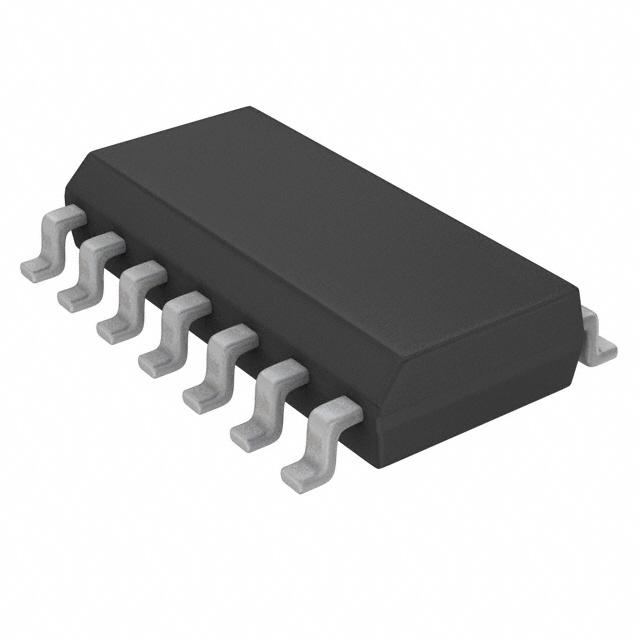
|
MCP795B22T-I/SL | Micrel / Microchip Technology | IC RTC CLK/CALENDAR SPI 14-SOIC | - | -40°C ~ 85°C | Tape & Reel (TR) | Surface Mount | - | - | Clock/Calendar | 1.8 V ~ 5.5 V | - |
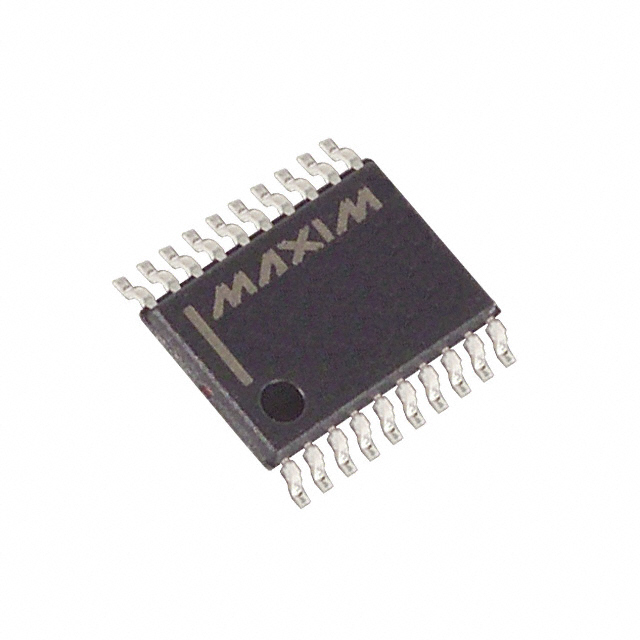
|
DS1673E-3+T&R | Maxim Integrated | IC RTC SYSTEM CTRLR SER 20-TSSOP | - | 0°C ~ 70°C | Tape & Reel (TR) | Surface Mount | - | - | Portable System Controller | 2.7 V ~ 3.3 V | - |

|
PCF85063BTL/1,118 | NXP Semiconductors / Freescale | IC RTC CLK/CALENDAR SPI 10-HXSON | - | -40°C ~ 85°C | Tape & Reel (TR) | Surface Mount | - | - | Clock/Calendar | 0.9 V ~ 5.5 V | - |

|
1337DCGI | IDT (Integrated Device Technology) | IC RTC CLK/CALENDAR I2C 8-SOIC | - | -40°C ~ 85°C | Tube | Surface Mount | - | - | Clock/Calendar | 1.8 V ~ 5.5 V | - |

|
DS12R887-33 | Maxim Integrated | IC RTC CLK/CALENDAR PAR 48-BGA | - | -40°C ~ 85°C | Tray | Surface Mount | - | - | Clock/Calendar | 2.97 V ~ 3.63 V | - |
|
|
DS1682S | Maxim Integrated | IC RTC ELAPSED CNT I2C 8-SOIC | - | -40°C ~ 85°C | Tube | Surface Mount | - | - | Elapsed Time Counter | 2.5 V ~ 5.5 V | - |
|
|
DS1302Z/T&R | Maxim Integrated | IC RTC CLK/CALENDAR SER 8-SOIC | - | 0°C ~ 70°C | Tape & Reel (TR) | Surface Mount | - | - | Clock/Calendar | 2 V ~ 5.5 V | - |

|
ISL12029IV27Z-T | Intersil | IC RTC CLK/CALENDAR I2C 14-TSSOP | - | -40°C ~ 85°C | Tape & Reel (TR) | Surface Mount | - | - | Clock/Calendar | 2.7 V ~ 5.5 V | - |

|
ISL12058IUZ-T | Intersil | IC RTC CLK/CALENDAR I2C 8-MSOP | - | -40°C ~ 85°C | Tape & Reel (TR) | Surface Mount | - | - | Clock/Calendar | 1.8 V ~ 3.6 V | - |

|
DS1511W | Maxim Integrated | IC RTC CLK/CALENDAR PAR 28-EDIP | - | 0°C ~ 70°C | Tube | Through Hole | - | - | Clock/Calendar | 3 V ~ 3.6 V | - |
About Clock/Timing - Real Time Clocks
Real-time clocks (RTCs) are electronic devices that keep track of the current time and date with high accuracy, independent of external power sources. They typically include a built-in crystal oscillator and a battery backup to ensure continuous timekeeping even when the main power is off. RTCs are commonly used in applications such as consumer electronics, industrial automation, medical devices, and automotive systems where precise timekeeping is essential for scheduling tasks, logging events, and time-stamping data.