
Invent, Innovate, Integrate
- info@zenkaeurope.com
-
 English
English
English
 Deutsch
 Français
 Español
 Italiano
 中文
中文
 हिन्दी
 Lietuviškai
Manufacturer
Series
Packaging
Color
Clear Filters
Loading products…
| Image | Part Number | Manufacturer | Description | Series | Operating Temperature | Features | Packaging | Color | Body Material | Body Finish | For Use With/Related Products | Accessory Type |
|---|---|---|---|---|---|---|---|---|---|---|---|---|

|
3360-3-14-15-00-00-08-0 | Mill-Max | CIRCUIT PIN JUMPER .025"D .300"L | 3360 | - | - | Bulk | - | - | - | - | - |

|
SPN02SVBN-RC | Sullins Connector Solutions | CONN JUMPER SHORTING 2MM GOLD | - | - | - | Bulk | - | - | - | - | - |

|
65829-003 | Amphenol FCI | 2 X 2 MINI JUMP ASSY | Mini-Jump™ | - | - | Bulk | Black | - | - | - | - |
|
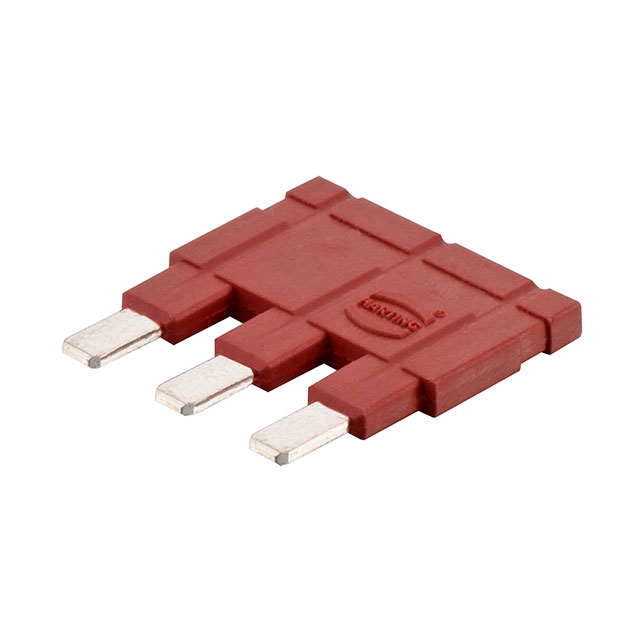
09330009831 | HARTING | JUMPER ACROSS 1X3 RED 16A | Han® ES Press | - | - | - | Red | - | - | - | - |

|
BTMM-101-01-T-S | Samtec, Inc. | .020 SQ. RA POST ASSEMBLY | - | - | - | - | - | - | - | - | - |
|
|
BTMM-107-01-T-S | Samtec, Inc. | .020 SQ. RA POST ASSEMBLY | - | - | - | - | - | - | - | - | - |
|
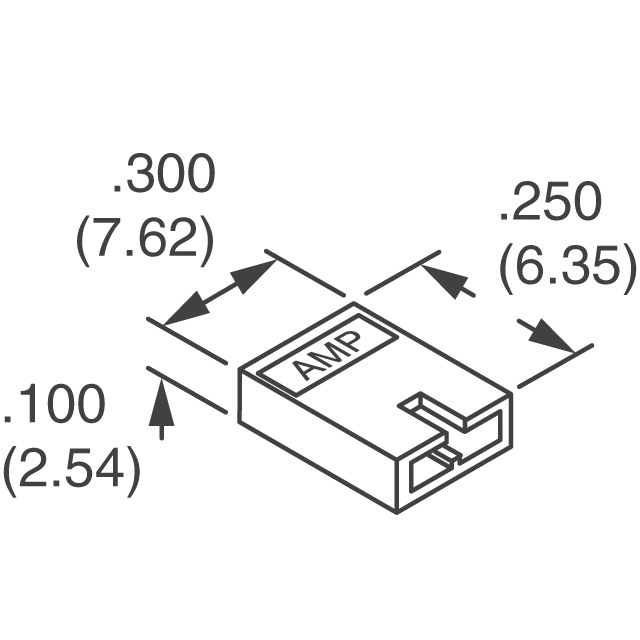
531230-4 | Agastat Relays / TE Connectivity | SHUNT STANDARD 2POS .200 TIN | - | - | - | Strip | Black | - | - | - | - |

|
D3082-01 | Harwin | 1MM SHORTING LINK | D308 | - | - | Bulk | - | - | - | - | - |
|
|
69145-316 | Amphenol FCI | JUMPER LOW PRO DR MULTI | Mini-Jump™ | - | - | Bulk | Black | - | - | - | - |

|
AKSPLT-Z-RED | ASSMANN WSW Components | JUMPER W-GRIP TEST SLOT .1" TIN | - | - | - | Bulk | Red | - | - | - | - |
About Shunts, Jumpers
Shunts and jumpers are small, conductive components used to bridge or short specific connections within electronic circuits. Shunts typically refer to shorting bars or links that create a low-resistance connection, while jumpers are connectors used to bridge two points temporarily. These components are valuable in circuit configurations requiring manual or temporary alterations, such as in prototyping, testing, or adjusting circuit parameters. Shunts and jumpers provide engineers with a simple and efficient means of modifying circuit behavior without the need for permanent changes, contributing to the flexibility and versatility of electronic designs.