
Invent, Innovate, Integrate
- info@zenkaeurope.com
-
 English
English
English
 Deutsch
 Français
 Español
 Italiano
 中文
中文
 हिन्दी
 Lietuviškai
Thermal Cutoffs (Thermal Fuses)
Thermal Cutoffs (Thermal Fuses)
- Products
- Circuit Protection
- Thermal Cutoffs (Thermal Fuses)
Manufacturer
Series
Clear Filters
Loading products…
| Image | Part Number | Manufacturer | Description | Series | Packaging | RoHS Status | Manufacturer Part Number | Type | Pin or Socket | Contact Layout, Typical | Shell Size | Class Code |
|---|---|---|---|---|---|---|---|---|---|---|---|---|
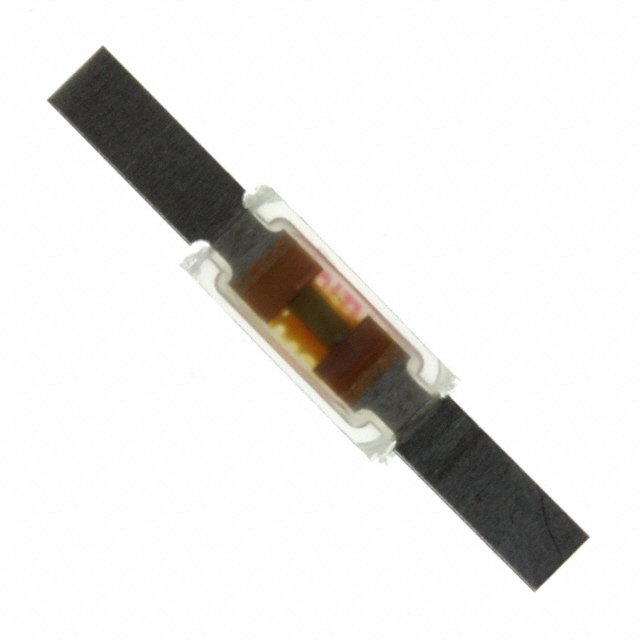
|
EYP-2MT092B | Panasonic | TCO 50VDC 2A 92C(198F) STRAP | MT | - | - | - | - | - | - | - | - |

|
MTS1 S95 | Cantherm | TCO 250VAC 5A 100C(212F) RADIAL | MTS1 | - | - | - | - | - | - | - | - |
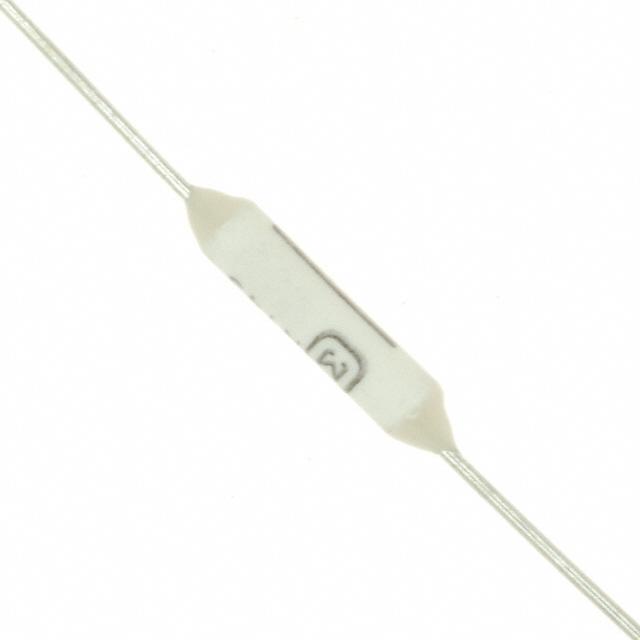
|
EYP-1BF139 | Panasonic | TCO 250VAC 1A 139C(282F) AXIAL | F | - | - | - | - | - | - | - | - |
|
|
MTR1 R95 | Cantherm | TCO 250VAC 3A 98C(208F) RADIAL | MTR1 | - | - | - | - | - | - | - | - |
|
|
EYP-2MT098 | Panasonic | TCO 50VDC 2A 98C(208F) STRAP | MT | - | - | - | - | - | - | - | - |
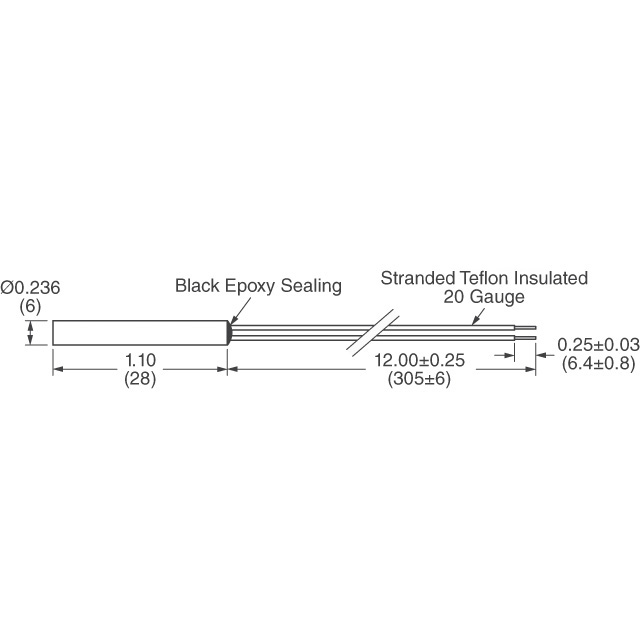
|
L5018424DELB0XE | Cantherm | TCO 250VAC 15A 184C(363F) CYLNDR | L50 | - | - | - | - | - | - | - | - |
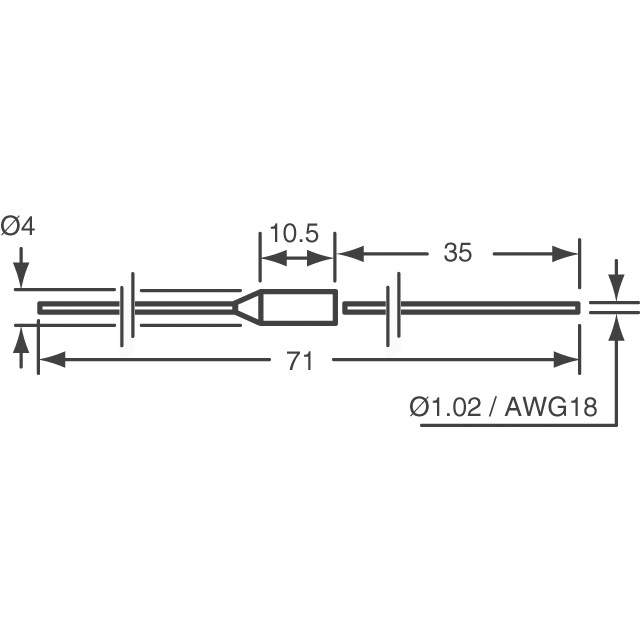
|
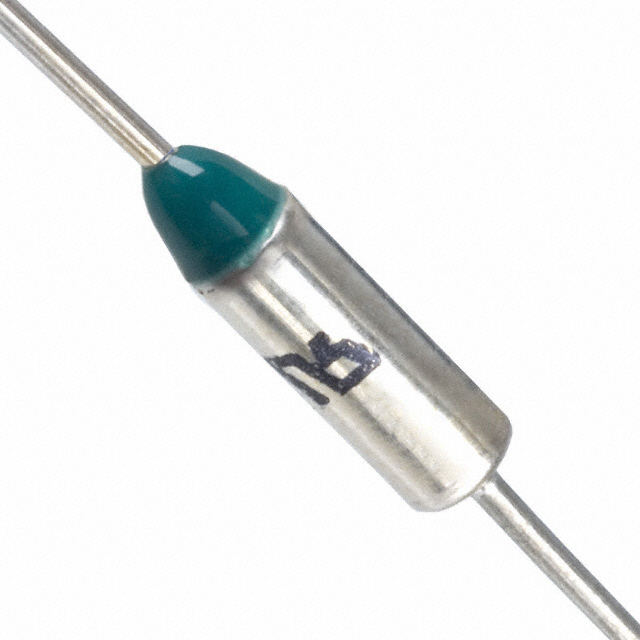
SDF DF091S | Cantherm | TCO 250VAC 10A 91C(196F) AXIAL | SDF | - | - | - | - | - | - | - | - |
|
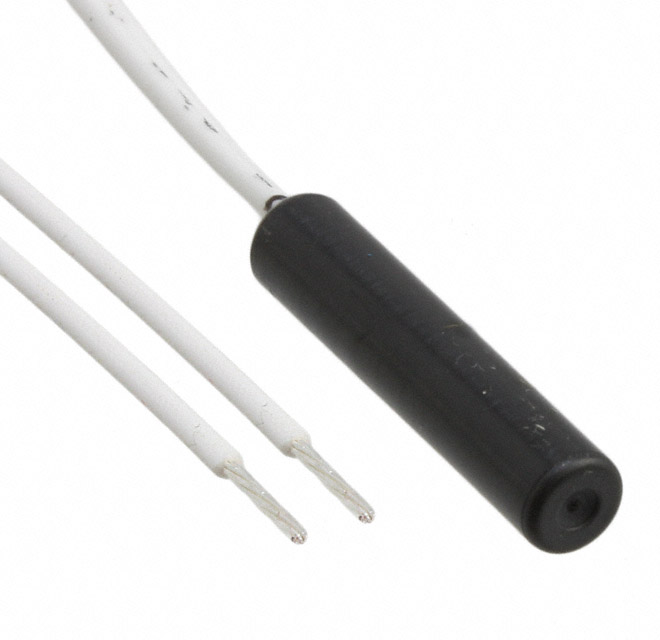
SDF DF066S | Cantherm | TCO 250VAC 10A 66C(151F) AXIAL | SDF | - | - | - | - | - | - | - | - |
|
L50NG913-240 | Cantherm | TCO 250VAC 15A 240C(464F) CYLNDR | L50 | - | - | - | - | - | - | - | - |

|
RTP200HR010SA | Hamlin / Littelfuse | RTP200HR010SA | - | - | - | - | - | - | - | - | - |
About Thermal Cutoffs (Thermal Fuses)
Thermal cutoffs, commonly known as thermal fuses, are essential safety devices in the electronics industry designed to protect electrical appliances and circuits from overheating. These devices respond to excessive temperature conditions by interrupting the electrical circuit, preventing potential fire hazards or damage to sensitive components. Thermal cutoffs find applications in various household appliances, industrial equipment, and electronic devices where maintaining a safe operating temperature is critical.