
Invent, Innovate, Integrate
- info@zenkaeurope.com
-
 English
English
English
 Deutsch
 Français
 Español
 Italiano
 中文
中文
 हिन्दी
 Lietuviškai
-
Switches
- Selector Switches
- Snap Action, Limit Switches
- Pushbutton Switches
- Slide Switches
- Rotary Switches
- Rocker Switches
- Pushbutton Switches - Hall Effect
- Programmable Display Switches
- Navigation Switches, Joystick
- Accessories
- Magnetic, Reed Switches
- Keypad Switches
- Configurable Switch Components - Lens
- DIP Switches
- Keylock Switches
- Configurable Switch Components - Contact Block
- Configurable Switch Components - Illumination Source
- Accessories - Boots, Seals
- Configurable Switch Components - Body
- Accessories - Caps
- Toggle Switches
- Cable Pull Switches
- Thumbwheel Switches
- Tactile Switches
-
Sensors, Transducers
- Optical Sensors - Photo Detectors - Logic Output
- Optical Sensors - Photo Detectors - CdS Cells
- Sensor Interface - Junction Blocks
- Ultrasonic Receivers, Transmitters
- Optical Sensors - Photoelectric, Industrial
- Proximity/Occupancy Sensors - Finished Units
- Sensor Cable - Assemblies
- Sensor Cable - Accessories
- Optical Sensors - Photo Detectors - Remote Receiver
- Motion Sensors - Tilt Switches
- Proximity Sensors
- Optical Sensors - Photodiodes
- Touch Sensors
- Multifunction
- Motion Sensors - Vibration
- Temperature Sensors - Thermostats - Solid State
- Motion Sensors - Inclinometers
- Pressure Sensors, Transducers
- Temperature Sensors - Thermostats - Mechanical
- Motion Sensors - Gyroscopes
- Motion Sensors - Accelerometers
- Magnets - Sensor Matched
- Magnets - Multi Purpose
- Temperature Sensors - PTC Thermistors
- Temperature Sensors - RTD (Resistance Temperature Detector)
- Temperature Sensors - NTC Thermistors
- Magnetic Sensors - Compass, Magnetic Field (Modules)
- Optical Sensors - Distance Measuring
- Magnetic Sensors - Linear, Compass (ICs)
- LVDT Transducers (Linear Variable Differential Transformer)
- IrDA Transceiver Modules
- Image Sensors, Camera
- Humidity, Moisture Sensors
- Gas Sensors
- Force Sensors
- Flow Sensors
- Float, Level Sensors
- Solar Cells
- Shock Sensors
- Color Sensors
- Amplifiers
- Position Sensors - Angle, Linear Position Measuring
- Optical Sensors - Reflective - Logic Output
- Optical Sensors - Reflective - Analog Output
- Optical Sensors - Phototransistors
- Optical Sensors - Photointerrupters - Slot Type - Transistor Output
- Optical Sensors - Photointerrupters - Slot Type - Logic Output
- Optical Sensors - Ambient Light, IR, UV Sensors
- Motion Sensors - Optical
- Magnetic Sensors - Switches (Solid State)
- Motion Sensors - IMUs (Inertial Measurement Units)
- Temperature Sensors - Thermocouple, Temperature Probes
- Magnetic Sensors - Position, Proximity, Speed (Modules)
- Specialized Sensors
- Temperature Sensors - Analog and Digital Output
- Encoders
- Strain Gauges
- Dust Sensors
- Accessories
- Current Transducers
-
RF/IF and RFID
- RF Switches
- RFID Antennas
- RF Transceiver ICs
- RF Diplexers
- RF Transmitters
- RF Shields
- RFID Accessories
- RF Power Dividers/Splitters
- RF Modulators
- RF Mixers
- RF Power Controller ICs
- RF Misc ICs and Modules
- RF Front End (LNA + PA)
- RF Evaluation and Development Kits, Boards
- RF Demodulators
- RF Directional Coupler
- RFID Transponders, Tags
- RFID Reader Modules
- RFID Evaluation and Development Kits, Boards
- RF Detectors
- RFI and EMI - Shielding and Absorbing Materials
- RF Antennas
- RFI and EMI - Contacts, Fingerstock and Gaskets
- Balun
- Attenuators
- RF Transceiver Modules
- RF Receivers
- RF Receiver, Transmitter, and Transceiver Finished Units
- RFID, RF Access, Monitoring ICs
- RF Amplifiers
- RF Accessories
- Relays
- Power Supplies - External/Internal (Off-Board)
- Power Supplies - Board Mount
-
Optoelectronics
- LEDs - Lamp Replacements
- LEDs - Circuit Board Indicators, Arrays, Light Bars, Bar Graphs
- Fiber Optics - Transmitters - Drive Circuitry Integrated
- Laser Diodes, Modules - Accessories
- Xenon Lighting
- Touch Screen Overlays
- Optics - Remote Phosphor Light Source
- Panel Indicators, Pilot Lights
- Optics - Light Pipes
- Optics - Lenses
- LED Lighting Kits
- LEDs - Spacers, Standoffs
- LED Thermal Products
- LED Lighting - White
- LED Indication - Discrete
- LED Lighting - Color
- Lamps - Incandescents, Neons
- Lamps - Cold Cathode Fluorescent (CCFL) & UV
- Inverters
- Infrared, UV, Visible Emitters
- Fiber Optics - Transceiver Modules
- Fiber Optics - Switches, Multiplexers, Demultiplexers
- Fiber Optics - Receivers
- Fiber Optics - Attenuators
- Electroluminescent
- Display Modules - Vacuum Fluorescent (VFD)
- Display Modules - LED Dot Matrix and Cluster
- Display Modules - LED Character and Numeric
- Addressable, Specialty
- Display Modules - LCD, OLED, Graphic
- Display, Monitor - Interface Controller
- LED Lighting - COBs, Engines, Modules
- Optics - Reflectors
- Laser Diodes, Modules
- Display Modules - LCD, OLED Character and Numeric
- Accessories
- Fiber Optics - Transmitters - Discrete
- Display Bezels, Lenses
- Isolators
-
Integrated Circuits (ICs)
- Logic - Parity Generators and Checkers
- PMIC - Current Regulation/Management
- Memory - Controllers
- Logic - FIFOs Memory
- Linear - Analog Multipliers, Dividers
- Embedded - System On Chip (SoC)
- Embedded - DSP (Digital Signal Processors)
- Linear - Amplifiers - Instrumentation, OP Amps, Buffer Amps
- Interface - Sensor and Detector Interfaces
- Logic - Latches
- PMIC - Hot Swap Controllers
- PMIC - Gate Drivers
- Interface - Sensor, Capacitive Touch
- Specialized ICs
- PMIC - Voltage Regulators - Special Purpose
- PMIC - Voltage Regulators - Linear Regulator Controllers
- PMIC - Voltage Regulators - Linear + Switching
- PMIC - Voltage Regulators - Linear
- PMIC - Voltage Regulators - DC DC Switching Regulators
- PMIC - Voltage Regulators - DC DC Switching Controllers
- PMIC - Voltage Reference
- PMIC - Thermal Management
- PMIC - Supervisors
- PMIC - V/F and F/V Converters
- PMIC - RMS to DC Converters
- PMIC - Power Supply Controllers, Monitors
- PMIC - Power Over Ethernet (PoE) Controllers
- PMIC - Power Management - Specialized
- PMIC - Power Distribution Switches, Load Drivers
- PMIC - PFC (Power Factor Correction)
- PMIC - OR Controllers, Ideal Diodes
- PMIC - Motor Drivers, Controllers
- PMIC - Lighting, Ballast Controllers
- PMIC - LED Drivers
- PMIC - Laser Drivers
- PMIC - Full, Half-Bridge Drivers
- PMIC - Energy Metering
- PMIC - Display Drivers
- PMIC - Battery Management
- PMIC - Battery Chargers
- PMIC - AC DC Converters, Offline Switchers
- Memory - Configuration Proms for FPGAs
- Memory
- Memory - Batteries
- Logic - Universal Bus Functions
- Logic - Translators, Level Shifters
- Logic - Specialty Logic
- Logic - Signal Switches, Multiplexers, Decoders
- Logic - Shift Registers
- Logic - Multivibrators
- Logic - Gates and Inverters - Multi-Function, Configurable
- Logic - Gates and Inverters
- Logic - Flip Flops
- Logic - Counters, Dividers
- Logic - Comparators
- Logic - Buffers, Drivers, Receivers, Transceivers
- Linear - Video Processing
- Linear - Comparators
- Linear - Amplifiers - Video Amps and Modules
- Linear - Amplifiers - Special Purpose
- Linear - Amplifiers - Audio
- Interface - Voice Record and Playback
- Interface - UARTs (Universal Asynchronous Receiver Transmitter)
- Interface - Telecom
- Interface - Specialized
- Interface - Signal Terminators
- Interface - Signal Buffers, Repeaters, Splitters
- Embedded - CPLDs (Complex Programmable Logic Devices)
- Interface - Serializers, Deserializers
- Interface - Modules
- Interface - Modems - ICs and Modules
- Interface - I/O Expanders
- Interface - Filters - Active
- Interface - Encoders, Decoders, Converters
- Interface - Drivers, Receivers, Transceivers
- Interface - Controllers
- Interface - CODECs
- Interface - Analog Switches, Multiplexers, Demultiplexers
- Interface - Analog Switches - Special Purpose
- Embedded - PLDs (Programmable Logic Device)
- Embedded - Microprocessors
- Interface - Direct Digital Synthesis (DDS)
- Embedded - Microcontrollers - Application Specific
- Embedded - Microcontrollers
- Embedded - Microcontroller, Microprocessor, FPGA Modules
- Embedded - FPGAs (Field Programmable Gate Array)
- Embedded - FPGAs (Field Programmable Gate Array) with Microcontrollers
- Clock/Timing - Application Specific
- Data Acquisition - Touch Screen Controllers
- Data Acquisition - Digital to Analog Converters (DAC)
- Data Acquisition - Digital Potentiometers
- Data Acquisition - Analog to Digital Converters (ADC)
- Data Acquisition - Analog Front End (AFE)
- Data Acquisition - ADCs/DACs - Special Purpose
- Clock/Timing - Real Time Clocks
- Clock/Timing - Programmable Timers and Oscillators
- Clock/Timing - Delay Lines
- Clock/Timing - Clock Generators, PLLs, Frequency Synthesizers
- Clock/Timing - IC Batteries
- Clock/Timing - Clock Buffers, Drivers
- Audio Special Purpose
-
Discrete Semiconductor Products
- Transistors - Bipolar (BJT) - Single
- Transistors - IGBTs - Modules
- Transistors - Special Purpose
- Transistors - JFETs
- Transistors - IGBTs - Single
- Transistors - IGBTs - Arrays
- Transistors - FETs, MOSFETs - Single
- Transistors - Programmable Unijunction
- Transistors - FETs, MOSFETs - RF
- Transistors - FETs, MOSFETs - Arrays
- Transistors - Bipolar (BJT) - Single, Pre-Biased
- Transistors - Bipolar (BJT) - RF
- Transistors - Bipolar (BJT) - Arrays, Pre-Biased
- Transistors - Bipolar (BJT) - Arrays
- Thyristors - TRIACs
- Thyristors - SCRs - Modules
- Thyristors - SCRs
- Thyristors - DIACs, SIDACs
- Power Driver Modules
- Diodes - Zener - Single
- Diodes - Zener - Arrays
- Diodes - Variable Capacitance (Varicaps, Varactors)
- Diodes - RF
- Diodes - Rectifiers - Single
- Diodes - Rectifiers - Arrays
- Diodes - Bridge Rectifiers
-
Connectors, Interconnects
- Modular Connectors - Plugs
- Modular Connectors - Jacks
- Modular Connectors - Adapters
- Terminals - Spade Connectors
- Modular Connectors - Jacks With Magnetics
- Modular Connectors - Plug Housings
- USB, DVI, HDMI Connectors - Adapters
- USB, DVI, HDMI Connectors - Accessories
- USB, DVI, HDMI Connectors
- Terminals - Wire Splice Connectors
- Terminals - Wire Pin Connectors
- Terminals - Turret Connectors
- Terminals - Specialized Connectors
- Terminals - Screw Connectors
- Terminals - Ring Connectors
- Terminals - Wire to Board Connectors
- Terminals - Rectangular Connectors
- Terminals - Quick Connects, Quick Disconnect Connectors
- Terminals - PC Pin, Single Post Connectors
- Terminals - PC Pin Receptacles, Socket Connectors
- Terminals - Magnetic Wire Connectors
- Terminals - Housings, Boots
- Terminals - Foil Connectors
- Terminals - Barrel, Bullet Connectors
- Terminals - Adapters
- Terminal Strips and Turret Boards
- Terminal Junction Systems
- Terminal Blocks - Wire to Board
- Terminals - Solder Lug Connectors
- Terminal Blocks - Specialized
- Terminal Blocks - Power Distribution
- Terminal Blocks - Panel Mount
- Terminal Blocks - Interface Modules
- Terminal Blocks - Headers, Plugs and Sockets
- Terminals - Knife Connectors
- Terminals - Accessories
- Terminal Blocks - Din Rail, Channel
- Terminal Blocks - Barrier Blocks
- Terminal Blocks - Contacts
- Terminal Blocks - Adapters
- Terminal Blocks - Accessories - Wire Ferrules
- Terminal Blocks - Accessories - Marker Strips
- Terminal Blocks - Accessories - Jumpers
- Terminal Blocks - Accessories
- Solid State Lighting Connectors - Accessories
- Solid State Lighting Connectors
- Sockets for ICs, Transistors - Adapters
- Sockets for ICs, Transistors
- Solid State Lighting Connectors - Contacts
- Sockets for ICs, Transistors - Accessories
- Shunts, Jumpers
- Rectangular Connectors - Spring Loaded
- Rectangular Connectors - Housings
- Rectangular Connectors - Headers, Specialty Pin
- Rectangular Connectors - Headers, Receptacles, Female Sockets
- Rectangular Connectors - Headers, Male Pins
- Rectangular Connectors - Free Hanging, Panel Mount
- Rectangular Connectors - Contacts
- Rectangular Connectors - Board In, Direct Wire to Board
- Rectangular Connectors - Adapters
- Rectangular Connectors - Accessories
- Rectangular Connectors - Board Spacers, Stackers (Board to Board)
- Rectangular - Board to Board Connectors - Headers, Receptacles, Female Sockets
- Rectangular - Board to Board Connectors - Headers, Male Pins
- Rectangular Connectors - Arrays, Edge Type, Mezzanine (Board to Board)
- Power Entry Connectors - Inlets, Outlets, Modules
- Power Entry Connectors - Accessories
- Pluggable Connectors - Accessories
- Pluggable Connectors
- Photovoltaic (Solar Panel) Connectors - Accessories
- Photovoltaic (Solar Panel) Connectors
- Modular Connectors - Wiring Blocks
- Modular Connectors - Accessories
- Memory Connectors - PC Card Sockets
- Memory Connectors - Inline Module Sockets
- Memory Connectors - Accessories
- LGH Connectors
- Keystone - Inserts
- Keystone - Faceplates, Frames
- Keystone - Accessories
- Heavy Duty Connectors - Inserts, Modules
- Heavy Duty Connectors - Housings, Hoods, Bases
- Heavy Duty Connectors - Frames
- Heavy Duty Connectors - Contacts
- Heavy Duty Connectors - Assemblies
- Heavy Duty Connectors - Accessories
- Fiber Optic Connectors - Housings
- Fiber Optic Connectors - Adapters
- Fiber Optic Connectors - Accessories
- Fiber Optic Connectors
- FFC, FPC (Flat Flexible) Connectors - Housings
- FFC, FPC (Flat Flexible) Connectors - Accessories
- FFC, FPC (Flat Flexible) Connectors
- FFC, FPC (Flat Flexible) Connectors - Contacts
- Memory Connectors - PC Cards - Adapters
- D-Sub, D-Shaped Connectors - Housings
- D-Sub, D-Shaped Connectors - Contacts
- D-Sub, D-Shaped Connectors - Backshells, Hoods
- D-Sub, D-Shaped Connectors - Adapters
- D-Sub, D-Shaped Connectors - Accessories - Jackscrews
- D-Sub, D-Shaped Connectors - Accessories
- D-Sub, D-Shaped Connectors - Terminators
- D-Sub Connectors
- Photovoltaic (Solar Panel) Connectors - Contacts
- Modular Connectors - Wiring Blocks - Accessories
- D-Shaped Connectors - Centronics
- Contacts, Spring Loaded and Pressure
- Contacts - Multi Purpose
- Coaxial Connectors (RF) - Terminators
- Coaxial Connectors (RF) - Contacts
- Coaxial Connectors (RF) - Adapters
- Coaxial Connectors (RF) - Accessories
- Coaxial Connectors (RF)
- Contacts - Leadframe
- Circular Connectors - Housings
- Circular Connectors - Contacts
- Circular Connectors - Backshells and Cable Clamps
- Circular Connectors - Adapters
- Circular Connectors - Accessories
- Circular Connectors
- Card Edge Connectors - Housings
- Card Edge Connectors - Edgeboard Connectors
- Card Edge Connectors - Contacts
- Card Edge Connectors - Accessories
- Blade Type Power Connectors - Housings
- Blade Type Power Connectors - Contacts
- Blade Type Power Connectors - Accessories
- Blade Type Power Connectors
- Between Series Adapters
- Barrel - Power Connectors
- Barrel - Audio Connectors
- Banana and Tip Connectors - Jacks, Plugs
- Banana and Tip Connectors - Binding Posts
- Banana and Tip Connectors - Accessories
- Backplane Connectors - Specialized
- Card Edge Connectors - Adapters
- Backplane Connectors - Housings
- Barrel - Accessories
- Backplane Connectors - Hard Metric, Standard
- Banana and Tip Connectors - Adapters
- Backplane Connectors - DIN 41612
- Backplane Connectors - Contacts
- Backplane Connectors - ARINC
- Backplane Connectors - Accessories
- Barrel - Audio Adapters
- Backplane Connectors - ARINC Inserts
-
Circuit Protection
- Lighting Protection
- Accessories
- TVS - Varistors, MOVs
- TVS - Thyristors
- TVS - Mixed Technology
- TVS - Diodes
- Thermal Cutoffs (Thermal Fuses)
- Surge Suppression ICs
- PTC Resettable Fuses
- Inrush Current Limiters (ICL)
- Ground Fault Circuit Interrupter (GFCI)
- Gas Discharge Tube Arresters (GDT)
- Fuses
- Fuseholders
- Electrical, Specialty Fuses
- Disconnect Switch Components
- Circuit Breakers
-
Capacitors
- Accessories
- Trimmers, Variable Capacitors
- Thin Film Capacitors
- Tantalum Capacitors
- Tantalum - Polymer Capacitors
- Silicon Capacitors
- Niobium Oxide Capacitors
- Mica and PTFE Capacitors
- Film Capacitors
- Electric Double Layer Capacitors (EDLC), Supercapacitors
- Ceramic Capacitors
- Capacitor Networks, Arrays
- Aluminum Electrolytic Capacitors
- Aluminum - Polymer Capacitors
Intel Xeon for Servers
Intel Xeon for Servers
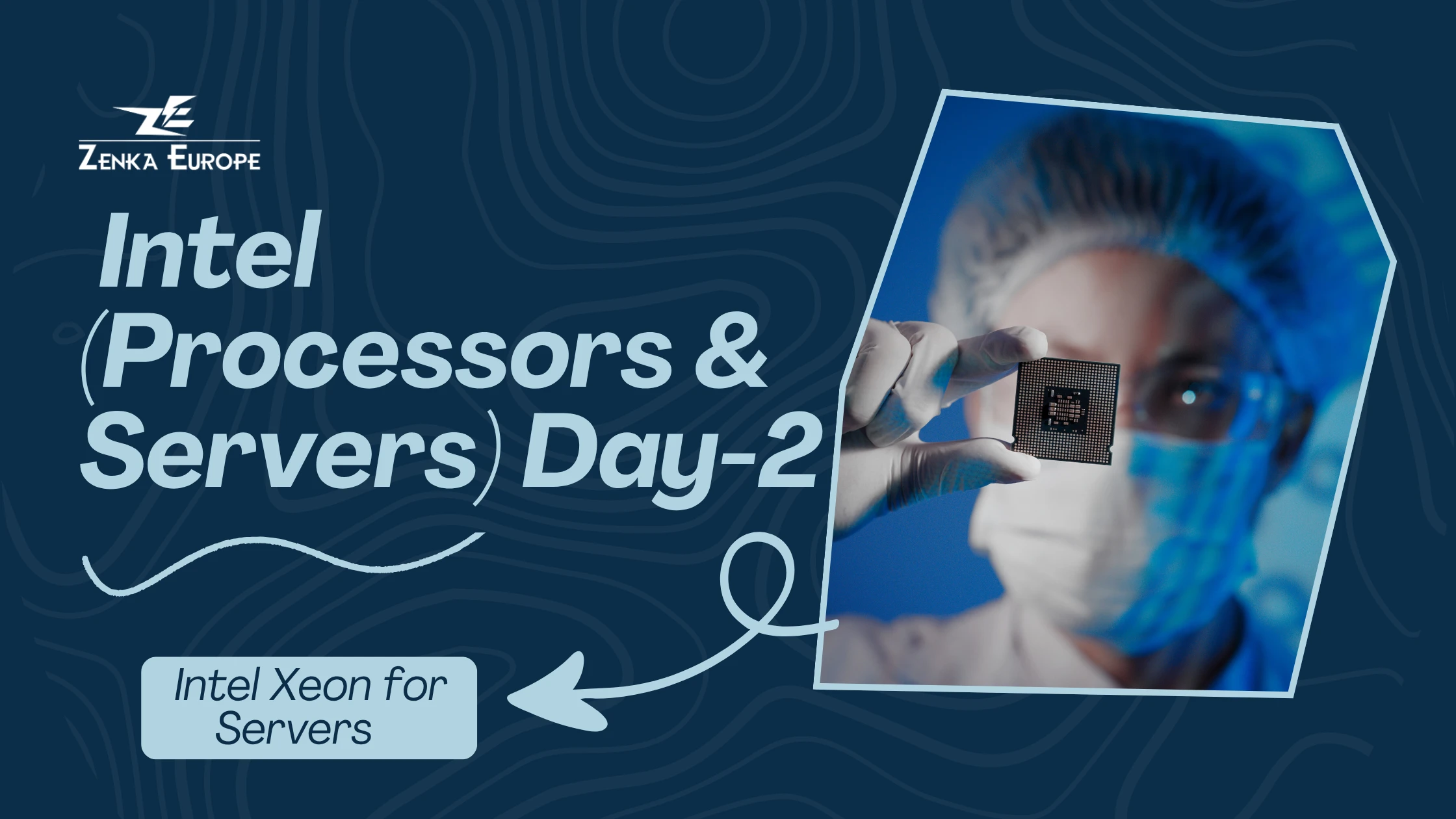
When you stream a movie, access your emails, or run complex AI models, there’s one powerful name quietly running the show, Intel Xeon. It is the driving force behind the servers, cloud platforms, and enterprise systems that keep the digital world operating smoothly. Let’s look at why Intel Xeon processors are at the core of modern computing and how they continue to shape the future of technology.
What is Intel Xeon
Intel Xeon is a family of high-performance processors built specifically for servers and workstations. Unlike regular consumer CPUs, Xeon chips are engineered for reliability, scalability, and continuous performance under demanding conditions. They are the choice for data centers, cloud service providers, and businesses that handle massive workloads every second of the day.
These processors come with multiple cores, advanced memory support, and integrated security features that ensure stability even under intense computational tasks. Whether running a private enterprise database or hosting millions of cloud users, Intel Xeon delivers consistent power without compromise.
The Backbone of Modern Servers
Servers are the foundation of every online service, and Intel Xeon is the backbone that keeps them strong. Xeon processors are optimized for multi-threaded performance, meaning they can handle multiple operations simultaneously without slowing down. This capability makes them ideal for web servers, virtualization, data analytics, and distributed computing.
Businesses rely on Intel Xeon to maintain uptime, security, and scalability. These processors support ECC memory to detect and correct data errors, preventing costly system crashes. That’s why you’ll find Xeon CPUs inside mission-critical servers that power hospitals, financial systems, and cloud infrastructure.
Powering the Cloud Revolution
Cloud computing depends on performance and reliability at scale, and this is where Intel Xeon shines. Each Xeon-powered server contributes to vast cloud networks that deliver computing resources to millions of users in real time. Platforms like Amazon Web Services, Google Cloud, and Microsoft Azure use Intel Xeon processors in many of their data centers because of their proven efficiency and flexibility.
With support for virtualization and hardware-assisted security, Xeon enables cloud providers to allocate computing resources safely and efficiently. Whether it’s data storage, web hosting, or software as a service, the Xeon architecture ensures that cloud platforms perform consistently, even during peak demand.
Driving AI and Enterprise Databases
Artificial Intelligence and enterprise-level databases require immense computational power and parallel processing. Intel Xeon processors are designed for these exact challenges. They support advanced technologies such as Intel Deep Learning Boost and high-bandwidth memory, allowing faster model training and inference for AI workloads.
In enterprise environments, Xeon CPUs accelerate database queries, process analytics in real time, and handle high-volume transactions with ease. From AI-driven insights to secure data storage, Xeon delivers the performance enterprises need to stay competitive.
Reliability Meets Raw Power
What sets Intel Xeon apart is the balance it offers between performance and dependability. Every processor is built to run 24 hours a day without failure, which is essential for industries where downtime means loss of revenue or critical data. With features like hardware encryption, advanced thermal management, and multi-core scalability, Intel Xeon remains the gold standard for server-grade computing.
When reliability meets raw computing power, that’s Intel Xeon at work. It is more than just a processor; it’s the silent engine that powers the global cloud, drives artificial intelligence, and keeps enterprise systems running without pause.